
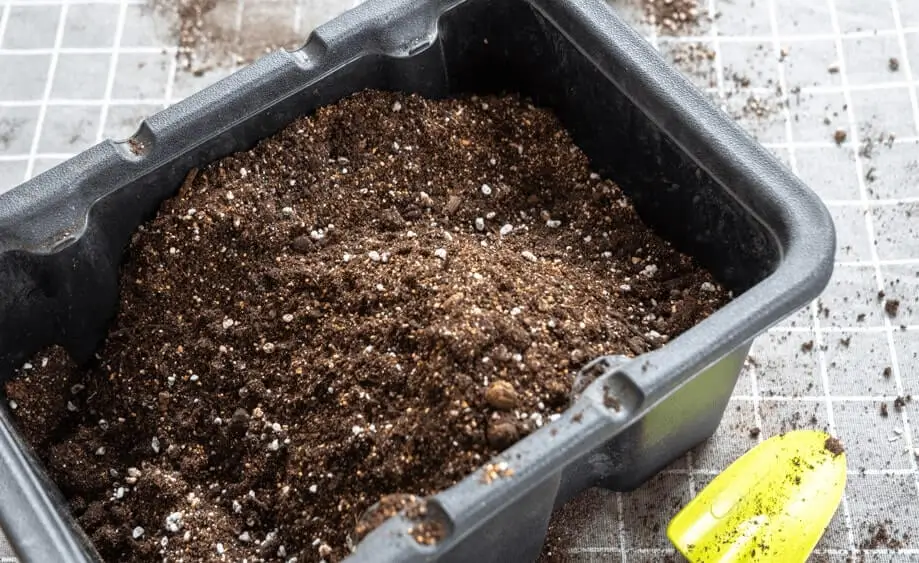
Soil fungus problems in containers are a common challenge that can quietly damage the health and productivity of your fruit plants. From white mold on the surface to harmful fungal infections affecting roots, these issues often develop due to excess moisture, poor drainage, or imbalanced soil conditions. If left untreated, fungal growth can weaken plants, reduce fruit yield, and even lead to plant death. Understanding the causes, recognizing early warning signs, and applying effective solutions will help you maintain clean, healthy soil and ensure your container fruit plants thrive.
Why Soil Fungus Problems in Containers Matter for Fruit Gardening
Container fruit gardening creates a very different environment compared to growing in the ground. Pots dry unevenly, drainage can fail quickly, and airflow around roots is limited. These conditions make containers especially vulnerable to fungal growth.
Here’s why soil fungus problems in containers should never be ignored:
- Root health is at risk – Many soil fungi thrive in waterlogged conditions and can trigger root rot.
- Nutrient uptake declines – Fungal imbalance interferes with how roots absorb water and nutrients.
- Fruit production suffers – Stressed roots lead to weak flowering and poor fruit set.
- Problems escalate fast – Containers have limited soil volume, so fungal issues spread quickly.
If you’re already dealing with soil shrinking or pulling away from pot edges, that imbalance often worsens fungal activity. You can see how this contributes to root stress in our guide on why potting soil shrinks in containers.
What Causes Soil Fungus Problems in Containers?
Understanding the root cause is essential before applying any solution. Soil fungus is usually a symptom, not the primary problem.
1. Overwatering and Poor Drainage
The most common cause of soil fungus problems in containers is excess moisture. When soil stays wet for too long, oxygen levels drop, creating the perfect environment for fungi.
Warning signs:
- Soil stays damp for days
- Sour or moldy smell
- Yellowing leaves despite watering
If your pots lack drainage holes or use compacted soil, fungal growth is almost guaranteed.
2. Organic-Rich Soil Breaking Down
High compost content can be beneficial—but too much decomposing organic matter feeds fungal growth.
This often happens when:
- Garden soil is mixed into containers
- Compost-heavy mixes are reused for multiple seasons
- Low-quality potting soil is used
If you’ve experienced clumpy, sour-smelling soil, it may be linked to compost imbalance, explained further in our article on common compost problems in pots.
3. Low Airflow and Shaded Locations
Containers placed in tight corners, indoors, or against walls dry slowly. Reduced airflow allows fungal spores to settle and multiply on the soil surface.
4. Salt and Fertilizer Buildup
Excess fertilizer salts damage beneficial microbes and favor fungal dominance. White crusts combined with mold often indicate this problem.
If you suspect mineral imbalance, see our guide on excessive salts in container soil.
How to Identify Soil Fungus Problems in Containers
Not all fungi are harmful. The key is knowing what you’re dealing with.
Harmless Soil Fungus (Usually Safe)
- Thin white webbing on soil
- Small yellow or brown mushrooms
- Fungal threads under mulch
These fungi break down organic matter and rarely harm fruit plants if moisture is controlled.
Harmful Soil Fungus (Action Required)
- Thick gray or green mold
- Blackened soil with foul odor
- Wilting plants despite moist soil
- Roots that appear brown, slimy, or mushy
If roots are affected, immediate intervention is necessary.
Step-by-Step Solutions to Fix Soil Fungus Problems in Containers
Step 1: Stop Watering Temporarily
Allow the top 2–3 inches of soil to dry completely. Fungi struggle to survive without constant moisture.
Step 2: Improve Drainage Immediately
- Ensure all containers have drainage holes
- Elevate pots slightly off the ground
- Loosen compacted soil gently with a chopstick
Poor soil structure often worsens when gardeners mix incompatible materials. Learn what to avoid in our guide on mixing garden soil for containers.
Step 3: Remove Visible Fungus Safely
- Scoop off moldy soil layers
- Dispose away from garden areas
- Do not compost infected soil
Step 4: Refresh the Soil Surface
Replace removed soil with:
- Fresh potting mix
- Coco coir or pine bark fines
- A thin layer of perlite or sand
Step 5: Use Natural Fungus Suppressors
Safe options for container fruit plants include:
- Cinnamon powder (light dusting)
- Neem oil soil drench (diluted)
- Hydrogen peroxide (3%, diluted 1:4 with water)
Avoid harsh fungicides unless plants are severely affected.
Common Beginner Mistakes That Make Soil Fungus Worse
Many gardeners unintentionally encourage fungal growth by trying to “help” their plants.
Common mistakes include:
- Watering on a fixed schedule instead of checking soil moisture
- Using garden soil in containers
- Over-mulching the soil surface
- Reusing old potting mix without refreshing it
- Ignoring early warning signs like crusting or odor
Surface crusting often traps moisture beneath, accelerating fungal growth. If this sounds familiar, read our article on crusting soil in containers.
Best Soil, Containers, and Care Tips to Prevent Fungus
Choose the Right Potting Mix
An ideal mix for fruit containers should:
- Drain freely
- Contain 20–30% aeration material (perlite, pumice)
- Avoid heavy compost overload
Use the Right Containers
- Terracotta pots help soil dry faster
- Fabric grow bags improve airflow
- Avoid decorative pots without drainage
Adjust Watering Habits
- Water deeply but infrequently
- Let soil dry slightly between watering
- Reduce watering during cool or cloudy weather
FAQ: Soil Fungus Problems in Containers
Is white fungus on potting soil harmful?
Not always. Thin white mold usually indicates excess moisture and organic matter. Drying the soil often resolves it.
Should I throw away soil with fungus?
If fungus is superficial, no. If roots are rotting or soil smells foul, replacing the soil is safer.
Can soil fungus kill fruit plants?
Yes—if it progresses to root rot or blocks nutrient uptake.
Do mushrooms mean my soil is bad?
Mushrooms indicate decomposing organic matter and moisture. They’re not dangerous but signal overwatering.
Can I reuse potting soil after fungus?
Yes, if you solarize it, improve drainage, and refresh with fresh components.
Conclusion: Keep Soil Fungus from Ruining Your Container Fruit Garden
Soil fungus problems in containers are common—but completely manageable with the right approach. By improving drainage, adjusting watering habits, and choosing the right soil, you can stop fungal growth before it harms your fruit plants. Remember, fungus thrives on imbalance, not healthy soil systems.
Next steps:
Check your containers today for drainage, moisture levels, and soil structure. Address small fungal signs early, and your fruit plants will reward you with stronger growth, healthier roots, and better harvests—all season long.