
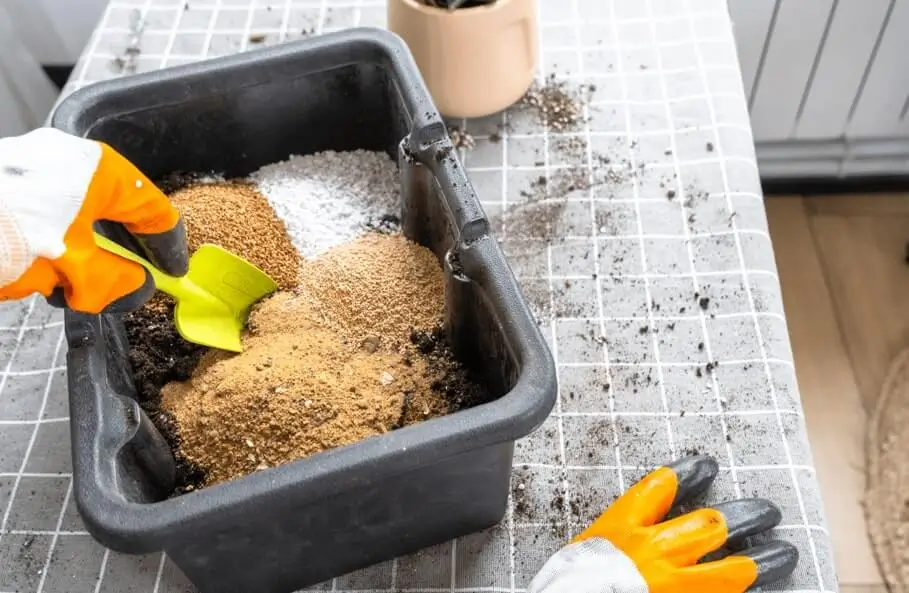
Mixing garden soil in containers might seem like a natural and cost-saving solution, but it often leads to serious problems for fruit plants. Unlike open-ground conditions, containers require a light, well-draining, and aerated growing medium. Garden soil tends to compact, restrict airflow, and hold excess moisture, which can suffocate roots and reduce nutrient uptake. Understanding why this approach fails—and how to correct it—can help you create a healthier environment for thriving container fruit plants.
Why Mixing Garden Soil in Containers Causes Problems
Garden soil works well in the ground, where worms, microorganisms, and natural drainage balance its structure. In containers, however, everything changes.
Containers Create a Closed System
Unlike garden beds, containers:
- Have limited drainage paths
- Experience faster temperature swings
- Lack natural soil life renewal
- Compact under watering and gravity
When garden soil is confined to a pot, it quickly becomes dense and airless—conditions that fruit roots cannot tolerate.
The Biggest Problems Garden Soil Causes in Pots
Mixing garden soil into containers often leads to:
- Severe compaction, blocking oxygen to roots
- Waterlogging, which encourages root rot
- Poor nutrient uptake, even if fertilizer is added
- Hard crusting on the surface after watering
- Slow or stunted growth, especially in fruit trees
These issues are closely linked to weak root systems. If you’ve noticed yellowing leaves or lack of vigor, it’s worth reviewing how poor root growth develops in containers and why soil structure plays a major role.
Why This Matters for Container Fruit Gardening
Fruit plants are long-term growers. Unlike leafy greens, they stay in containers for months or years, making soil quality even more critical.
Fruit Roots Need Three Things
Healthy container fruit roots depend on:
- Oxygen – to respire and absorb nutrients
- Moisture balance – wet, not waterlogged
- Loose structure – to expand and anchor the plant
Garden soil fails on all three when used in pots.
Long-Term Damage Is Harder to Reverse
Using garden soil may look fine at first, but problems worsen over time:
- Roots suffocate as soil settles
- Salts accumulate, causing fertilizer burn
- Beneficial microbes decline
This explains why many gardeners experience excessive salt buildup in container soil, even when watering regularly.
Common Problems Caused by Mixing Garden Soil in Containers
1. Soil Compaction and Root Suffocation
Garden soil particles are small and tightly packed. In containers, watering pulls these particles together, leaving no air gaps. Roots struggle to breathe, leading to slow growth or decline.
2. Poor Drainage and Root Rot
Even with drainage holes, compact soil traps water. Fruit roots sitting in wet soil quickly rot—especially citrus, figs, and stone fruits.
3. Nutrient Lockout Despite Fertilizing
Dense soil prevents roots from absorbing nutrients efficiently. This often leads gardeners to over-fertilize, worsening salt stress and damaging roots further.
If this sounds familiar, your issue may be linked to compost problems in pots, where heavy organic matter breaks down and collapses soil structure.
4. Temperature Stress on Roots
Garden soil heats up and cools down more aggressively in containers. This can shock roots, especially in summer balconies or patios, contributing to soil temperature stress in container plants.
The Right Way to Mix Soil for Containers (Step-by-Step)
Step 1: Forget Garden Soil as a Base
For containers, never use garden soil alone. At most, it should make up less than 10% of a mix—and only if it’s sandy and well-screened.
Step 2: Use a Lightweight Base Mix
Start with:
- High-quality potting mix (not topsoil)
- Or a blend of coco coir or peat moss
These materials retain moisture while staying airy.
Step 3: Add Drainage and Aeration Materials
Essential ingredients include:
- Perlite or pumice (20–30%)
- Coarse sand (small amounts only)
These prevent compaction and allow roots to breathe.
Step 4: Add Stable Organic Matter
Use:
- Finished compost (10–20%)
- Well-aged worm castings
Avoid fresh compost, which can cause microbial imbalance and nutrient issues similar to those seen with a lack of beneficial microorganisms in potting soil.
Example Container Soil Mix for Fruit Plants
A reliable formula:
- 50% potting mix
- 25% perlite or pumice
- 15% compost
- 10% coco coir or aged bark
This blend supports strong root growth and long-term fruiting.
Common Beginner Mistakes to Avoid
Using “Topsoil” Bags for Containers
Bagged topsoil behaves like garden soil—dense and poorly draining. It’s not designed for pots.
Overwatering to Compensate
Heavy soil stays wet longer. Watering on a schedule instead of checking moisture worsens root problems.
Skipping Repotting
Even good mixes degrade over time. Fruit plants need fresh soil every 1–2 years to prevent compaction and salt buildup.
Choosing Pots Without Proper Drainage
No soil mix can compensate for containers without drainage holes.
Tools, Containers, and Care Tips That Make a Difference
Best Containers for Healthy Soil
Choose:
- Fabric grow bags (excellent aeration)
- Plastic pots with multiple drainage holes
- Glazed ceramic with wide bottoms
Avoid shallow or decorative pots that restrict roots.
Useful Tools
- Soil scoop for accurate mixing
- Moisture meter (optional but helpful)
- Mulch (pine bark or straw) to reduce evaporation
Ongoing Care Tips
- Flush containers monthly to reduce salt buildup
- Top-dress with compost instead of mixing heavy materials
- Monitor root health during seasonal changes
FAQ: Mixing Garden Soil in Containers (Problems)
Can I mix garden soil with potting mix for containers?
You can, but it’s not recommended. Even small amounts of garden soil can cause compaction and drainage issues over time.
Why do my container plants grow slowly despite fertilizing?
Dense soil restricts oxygen and nutrient uptake. Fertilizer cannot fix poor soil structure.
Is compost alone good for containers?
No. Compost breaks down and compacts. It must be blended with aeration materials.
How often should I change container soil?
For fruit plants, refresh or replace soil every 1–2 years to maintain structure and fertility.
What’s the best soil for container fruit trees?
A lightweight, well-draining mix with potting mix, perlite, and compost provides the best results.
Conclusion: Build Soil for Containers, Not the Ground
Mixing garden soil in containers causes predictable, preventable problems—from poor drainage to weak root systems and reduced fruit production. Containers demand a different approach: lighter materials, better aeration, and ongoing soil care.
By using the right mix, avoiding common mistakes, and choosing proper containers, you give your fruit plants the foundation they need to thrive in small spaces.
Next steps:
Check your current pots, assess soil texture, and rebuild your mix if it feels heavy or sticky when wet. Healthy soil is the fastest upgrade you can make for better container fruit harvests.