
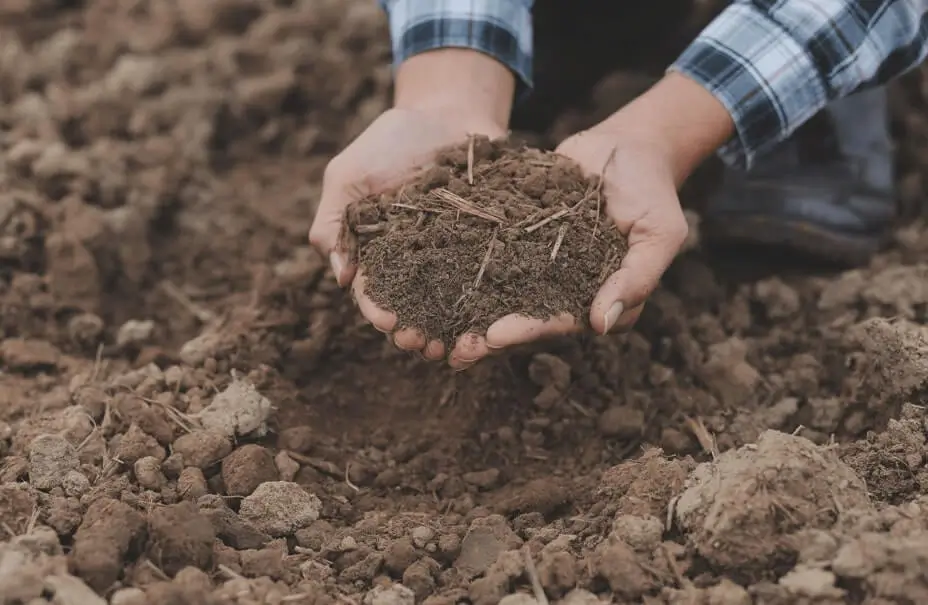
Healthy soil is the foundation of successful container fruit gardening, but potting mixes do not stay fresh forever. Over time, soil can become compacted, depleted of nutrients, poorly draining, or filled with salt buildup that weakens your plants. If your fruit plants are growing slowly, yellowing, or struggling despite regular watering and feeding, the soil could be the real problem. In this guide, you’ll learn the most common signs your soil needs changing, why old soil affects plant health, and the best ways to refresh or replace it so your container fruit plants can thrive again.
Why the Topic Matters for Container Fruit Gardening
Container fruit gardening is very different from growing in the ground. In pots, plants rely entirely on a limited volume of soil for:
- Nutrients
- Water retention and drainage
- Root aeration
- Beneficial microbial life
Over time, potting soil breaks down. Organic components decompose, air pockets collapse, and fertilizer salts accumulate. Unlike garden beds, containers can’t naturally rebalance themselves. This is why soil problems in container gardening often appear even when everything else seems right.
If ignored, tired or degraded soil can lead to:
- Weak root systems
- Reduced flowering and fruiting
- Increased disease risk
- Permanent plant decline
Recognizing early warning signs allows you to act before plants fail completely—and often without needing to replace the plant itself.
Clear Signs Your Soil Needs Changing
1. Water Sits on the Surface or Runs Straight Through
If water pools on the soil surface for several seconds, the mix is likely compacted. On the other hand, if water runs straight out of the drainage holes without soaking in, the soil structure has collapsed.
Both issues signal poor aeration and uneven moisture distribution—classic indicators that the soil is no longer functioning properly.
2. Soil Feels Hard, Dense, or Crusty
Healthy container soil should feel light and springy. When it becomes hard or forms a crust on the surface, roots struggle to breathe and expand. This is often linked to soil compaction, one of the most common container issues.
3. Yellowing Leaves Despite Regular Feeding
Yellow leaves are often blamed on nutrient deficiencies, but if fertilizing doesn’t help, the real problem may be exhausted soil. Old soil loses its ability to hold and deliver nutrients efficiently, even when fertilizer is present.
If this sounds familiar, learning how to improve poor potting soil may help—but in some cases, replacement is the better option.
4. White Crust or Salty Residue on Soil Surface
A white or gray crust usually indicates salt buildup from synthetic fertilizers or hard water. Excess salts damage roots and block nutrient uptake. This is a strong sign that the soil needs flushing, refreshing, or complete replacement.
5. Roots Circling the Pot or Pushing Upward
When roots are visible on the surface or tightly wrapped around the root ball, it’s not just a pot-size issue. Old soil often becomes inhospitable, forcing roots to search for air and nutrients elsewhere.
6. Slow Growth and Poor Fruiting
If your plant survives but barely grows, flowers poorly, or drops fruit early, worn-out soil may be limiting root function. Containers magnify this problem because there’s no surrounding soil to compensate for it.
Step-by-Step Solutions and Best Practices
Step 1: Decide Whether to Refresh or Replace
Not all soil problems require full replacement.
- Refresh soil if:
- Drainage is slightly reduced.
- Nutrient deficiency is mild.
- The soil still smells fresh.
- Replace soil completely if:
- It’s compacted throughout
- Salt buildup is heavy.
- Plants repeatedly fail despite care.
A simple smell test helps: sour or swampy odours usually mean anaerobic conditions—replace immediately.
Step 2: Gently Remove and Inspect Roots
Carefully lift the plant from the pot. Healthy roots are light-colored and firm. Dark, mushy, or brittle roots indicate prolonged soil stress.
Trim damaged roots before repotting to encourage fresh growth.
Step 3: Improve Drainage and Structure
Before refilling the container:
- Check drainage holes and clear blockages.
- Use a well-aerated mix with organic matter.
- Avoid reusing old soil without amendment.
If compaction was the issue, learning how to prevent it can help you avoid repeating it.
Step 4: Balance Nutrients Naturally
After repotting, avoid heavy feeding for 1–2 weeks. Fresh soil already contains nutrients. Overfeeding too soon can recreate salt problems.
If you like organic approaches, understanding whether you can use garden compost in pots helps you enrich the soil safely without overloading it with nutrients.
Common Mistakes Beginners Make
Reusing Old Potting Soil Without Treatment
Old soil can harbour pests, diseases, and nutrient imbalances. Always refresh or sterilize before reuse.
Adding Sand for Drainage
Sand often makes container soil worse by increasing compaction. Structure matters more than weight.
Ignoring Soil pH Changes
Over time, soil pH drifts—especially in containers. If plants show nutrient issues with no clear cause, learning how to test soil pH at home can reveal hidden problems.
Treating Symptoms Instead of the Source
Fertilizers and sprays won’t fix structural soil issues. Healthy growth starts below the surface.
Tools, Soil, and Care Tips That Help
- Quality potting mix designed for containers
- Perlite or similar aeration materials to maintain airflow
- pH test kit for long-term soil health monitoring
- Slow-release organic fertilizers to reduce salt buildup
- Regular soil refresh schedule (every 12–18 months for fruit trees)
A simple habit: refresh the top 2–3 inches of soil every season to extend soil life.
FAQ: Signs Your Soil Needs Changing
How often should I change the soil in container fruit plants?
Most container fruit plants benefit from partial or full soil replacement every 12–24 months, depending on growth and watering habits.
Can bad soil really stop fruiting?
Yes. Poor soil structure limits root function, directly affecting flowering and fruit development.
Is yellowing always a soil problem?
Not always—but if watering and feeding are correct, soil degradation is a likely cause.
Can I save a plant growing in bad soil?
In many cases, yes. Early repotting with fresh soil often revives struggling plants.
Should I sterilize old potting soil?
Only if you plan to reuse it. Heat or solarization helps reduce pests and diseases.
Conclusion: What to Do Next
Recognizing the signs your soil needs changing is one of the most valuable skills in container fruit gardening. Compacted texture, poor drainage, nutrient deficiencies, and salt buildup all indicate soil that can no longer support healthy growth.
Your next steps are simple:
- Inspect your containers regularly.
- Act early when soil problems appear.
- Refresh or replace soil before plants decline.
- Build a long-term soil care routine.
Healthy soil means stronger roots, better harvests, and far fewer frustrations. When in doubt, start with the soil—your plants will tell you the rest. 🌱