
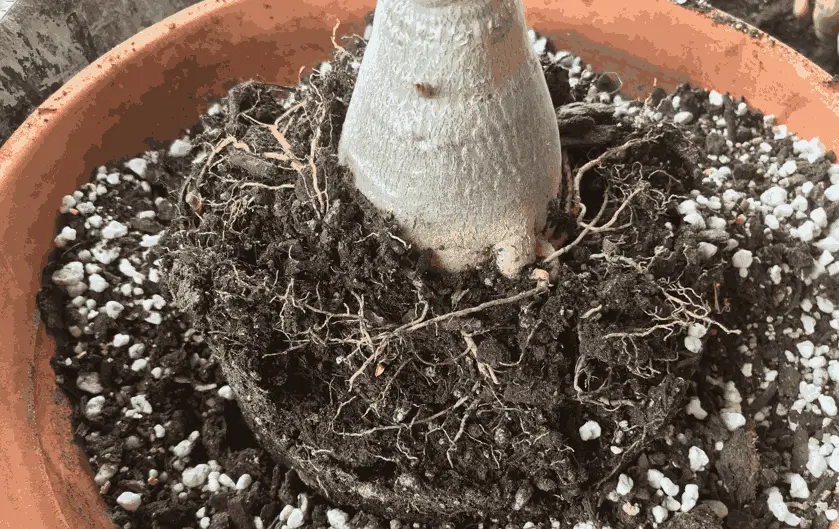
Salt buildup in container soil is a common issue that can quietly damage your plants, leading to poor growth, yellowing leaves, and reduced fruit production. This problem often occurs when minerals from fertilizers and hard water accumulate over time, especially in pots with limited drainage. Understanding how to identify, prevent, and fix salt buildup is essential for maintaining healthy container plants and ensuring your fruit trees thrive.
Why Salt Buildup in Container Soil Matters for Fruit Gardening
Container fruit plants rely on a limited volume of soil. When salts accumulate, they directly interfere with water uptake and root health.
How excess salts affect fruit plants
Salt buildup in container soil causes osmotic stress, meaning roots struggle to absorb water even when soil looks moist. Over time, this leads to:
- Leaf tip burn or brown edges
- Yellowing leaves despite regular feeding
- Wilting during warm weather
- Reduced flowering and fruiting
- Stunted root systems
Fruit plants such as citrus, strawberries, figs, and blueberries are especially sensitive because they require consistent moisture and balanced nutrition.
Why containers are more vulnerable than garden soil
In-ground soil benefits from natural leaching through rainfall and deep soil layers. Containers do not. Every time you fertilize or use mineral-rich water, small amounts of salts remain behind. Without intentional flushing or soil renewal, salt levels steadily rise.
What Causes Salt Buildup in Container Soil?
Understanding the source of the problem makes it easier to fix permanently.
Over-fertilization (the most common cause)
Using synthetic fertilizers too frequently or at high strength leaves behind unused mineral salts. This often happens when feeding fruit trees on a rigid schedule instead of observing plant needs.
If you’re already dealing with stressed roots, it’s helpful to review how overfeeding can worsen drainage and root health in containers, as explained in GrowFruitly’s guide on improving soil structure for potted fruit plants.
Hard water and mineral-heavy irrigation
Tap water in many regions contains calcium, magnesium, and sodium salts. Over time, these minerals concentrate in container soil, especially when watering lightly and frequently.
Poor drainage and compacted potting mix
When water cannot drain freely, salts stay trapped near the root zone. Containers without adequate drainage holes or old, compacted soil mixes are especially at risk.
How to Identify Salt Buildup in Container Soil
Before fixing the issue, confirm it’s actually salt-related and not a pest or disease problem.
Visual signs on soil and containers
- White or gray crust on soil surface
- Chalky residue on pot rims
- Hardened soil that repels water
Symptoms on fruit plants
- Leaf edges turning brown first
- New growth smaller than usual
- Flowers dropping prematurely
- Fruit developing poorly or not at all
If your soil stays wet yet plants wilt, excess salts may be working alongside drainage issues. In that case, reviewing GrowFruitly’s article on fixing waterlogged soil in containers can help address both problems together.
Step-by-Step Solutions to Remove Salt Buildup in Container Soil
Step 1: Leach the soil properly (deep flushing)
Leaching is the fastest way to reduce salt levels.
How to do it correctly:
- Move the container outdoors or to a sink/shower area.
- Slowly water the soil until excess water drains freely from the bottom.
- Repeat until at least 2–3 times the container’s volume has passed through.
Allow the pot to drain completely before returning it to its growing spot. This method works best when soil already drains well.
Step 2: Replace the top layer of soil
If crusting is visible, remove the top 2–5 cm (1–2 inches) of soil and replace it with fresh, well-draining potting mix. This removes the most concentrated salt zone.
Step 3: Improve drainage and soil structure
If leaching doesn’t solve the issue long-term, the soil mix may be the real problem. A quality container fruit mix should include:
- Aged compost or coco coir
- Perlite or pumice for airflow
- Pine bark fines for structure
GrowFruitly’s in-depth resource on choosing the best soil mix for container fruit trees explains how proper structure prevents both salt buildup and root suffocation.
Step 4: Adjust your fertilizing strategy
- Reduce fertilizer strength (use half-strength more often)
- Switch to slow-release or organic fertilizers
- Feed only during active growth
Organic options release nutrients gradually, lowering the risk of salt buildup in container soil.
Common Beginner Mistakes That Make Salt Buildup Worse
Watering lightly but frequently
Small, shallow waterings allow salts to accumulate near the surface. Always water until runoff occurs.
Never flushing containers
Even with good fertilizer habits, containers need occasional flushing to reset salt levels.
Reusing old potting mix without refreshing it
Old soil holds salts from previous seasons. Refreshing or partially replacing soil each year is essential, especially for long-lived fruit plants.
Ignoring early warning signs
Leaf tip burn is often dismissed as sun stress. Catching salt buildup early prevents long-term root damage and poor harvests.
Tools, Containers, and Care Tips to Prevent Salt Buildup
Use containers with excellent drainage
Choose pots with multiple drainage holes. Fabric grow bags are especially effective because they prevent salt concentration along pot edges.
Collect rainwater when possible
Rainwater is naturally low in dissolved salts and ideal for container fruit gardening.
Monitor soil moisture and quality
If soil becomes hydrophobic or crusted, it’s a sign that structure—and salt balance—needs attention. GrowFruitly’s guide on reviving dry, compacted container soil offers practical recovery steps.
FAQ: Salt Buildup in Container Soil
What causes white crust on container soil?
White crust is usually mineral salts left behind after water evaporates, commonly from fertilizers or hard water.
Can salt buildup kill container fruit plants?
Yes. If left untreated, excess salts damage roots, restrict water uptake, and can eventually kill the plant.
How often should I flush container soil?
For most fruit plants, flushing every 6–8 weeks during the growing season is sufficient, especially when using synthetic fertilizers.
Is salt buildup worse in summer?
Yes. Higher evaporation rates and frequent feeding during active growth increase salt concentration in containers.
Does organic fertilizer prevent salt buildup completely?
Not completely, but organic fertilizers release nutrients slowly and greatly reduce the risk compared to synthetic salts.
Conclusion: Restore Balance and Protect Your Container Fruit Plants
Salt buildup in container soil is a silent productivity killer, but it’s also one of the easiest problems to fix when addressed early. By recognizing the symptoms, flushing soil correctly, improving drainage, and adjusting fertilization habits, you can restore healthy root function and keep your fruit plants thriving in small spaces. Make leaching and soil renewal part of your regular container care routine, and you’ll enjoy stronger growth, better flowering, and higher-quality harvests season after season.