
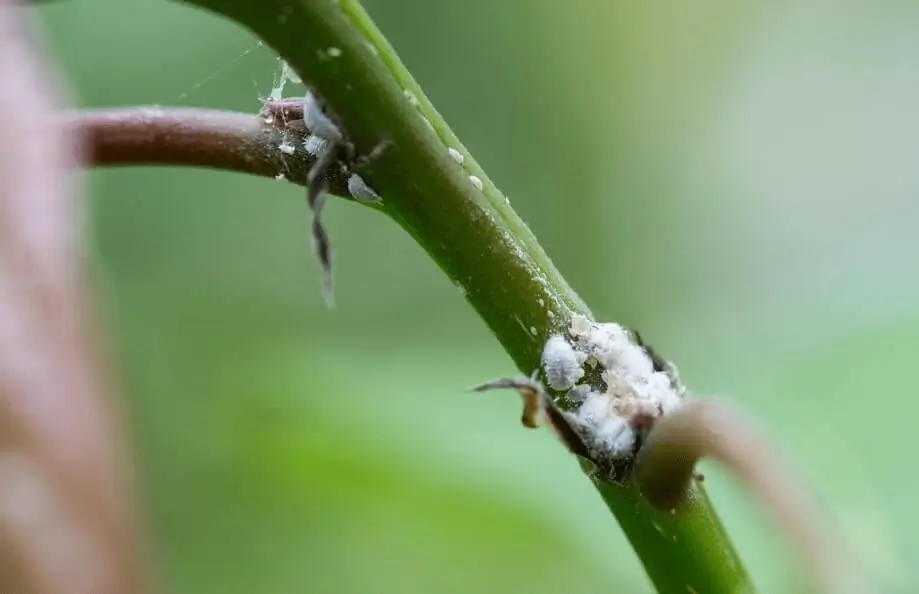
Powdery mildew is a common fungal problem that affects fruit trees, especially those grown in containers or small spaces with limited airflow. It appears as a white, powdery coating on leaves, stems, and sometimes fruit, weakening the plant and reducing productivity. If left untreated, it can slow growth, distort foliage, and impact fruit quality. Understanding what causes powdery mildew and how to manage it effectively is essential for keeping your potted fruit trees healthy and thriving. In this guide, you’ll learn how to identify early symptoms, apply proven treatments, and prevent future outbreaks in container gardens.
Why Powdery Mildew on Fruit Trees Matters in Container Gardening
Container fruit gardening creates a unique environment. While pots offer flexibility and space-saving benefits, they also make trees more vulnerable to fungal issues like powdery mildew.
Why potted fruit trees are at higher risk
- Limited air circulation on balconies and patios
- Dense foliage from over-fertilizing or lack of pruning
- Humidity buildup near walls or corners
- Stressed roots due to small containers or poor drainage
Unlike many fungal diseases, powdery mildew doesn’t need wet leaves to thrive. It prefers warm days, cool nights, and stagnant air, conditions that are common in urban and small-space gardens.
If you already deal with pests like aphids or spider mites, you may have noticed similar stress patterns. In fact, weakened trees affected by insects (see this guide on aphids on potted fruit trees) are often more susceptible to fungal diseases like mildew.
What Is Powdery Mildew and How to Identify It
Powdery mildew is a fungal disease caused by several species of fungi, depending on the fruit tree. It commonly affects:
- Apple trees
- Citrus trees
- Peach and nectarine trees
- Grape vines
- Fig trees
Clear signs of powdery mildew on fruit trees
- White or gray powder-like coating on leaves
- Curled, distorted, or stunted new growth
- Yellowing leaves that drop prematurely
- Reduced flowering or poor fruit set
In container fruit trees, symptoms often start on young leaves and tender shoots, then spread quickly if ignored.
Step-by-Step Solutions for Powdery Mildew on Fruit Trees
Step 1: Isolate and Prune Affected Areas
As soon as you notice powdery mildew:
- Move the affected pot away from other plants
- Prune heavily infected leaves and shoots
- Dispose of cut material—never compost it
This simple step alone can slow the spread dramatically.
Step 2: Improve Airflow and Sun Exposure
Powdery mildew thrives in stagnant conditions.
- Space pots at least 30–50 cm apart
- Rotate containers weekly for even sunlight
- Avoid placing fruit trees directly against walls
Good airflow is one of the most effective long-term preventions.
Step 3: Use Natural and Beginner-Safe Treatments
Baking soda spray (preventive & mild cases)
- ½ teaspoon baking soda
- 1 liter of water
- A few drops of liquid soap
Spray early in the morning every 7–10 days.
Neem oil (organic and effective)
Neem oil works well when mildew is just starting.
- Spray leaves (top and underside)
- Apply in the evening to avoid leaf burn
- Repeat weekly if needed
If you’re already using neem oil for insects like those described in this spider mites on fruit trees guide, it fits perfectly into an integrated care routine.
Step 4: Sulfur-Based Fungicides (When Needed)
For persistent or recurring powdery mildew:
- Use wettable sulfur, especially during early growth stages
- Never apply during extreme heat
- Do not mix with oils within 2 weeks
Sulfur is highly effective and commonly used in organic fruit production.
Best Care Practices to Prevent Powdery Mildew Long-Term
Choose the Right Container and Soil
- Use pots with multiple drainage holes
- Avoid oversized containers that stay wet too long
- Use a well-draining fruit tree soil mix
If fungus gnats are also present, poor soil drainage may be a contributing factor. This article on fungus gnats in potting soil explains how moisture issues affect plant health.
Water Correctly
- Water at soil level, not over the leaves
- Water in the morning so foliage dries quickly
- Avoid frequent shallow watering
Fertilize Carefully
Excess nitrogen = soft growth = mildew risk.
- Use slow-release or balanced organic fertilizers
- Reduce feeding during humid periods
- Avoid high-nitrogen feeds during active mildew outbreaks
Common Mistakes Beginners Make with Powdery Mildew
Ignoring early signs
A light white coating may seem harmless, but mildew spreads fast.
Overusing sprays
Spraying daily or mixing treatments can stress the plant more than help.
Poor pruning habits
Dense canopies trap humidity and block airflow.
Reusing contaminated tools
Always clean pruning tools after treating mildew to avoid reinfection.
Special Tips for Powdery Mildew on Specific Fruit Trees
Citrus trees in pots
- Ensure full sun exposure
- Thin interior branches yearly
- Watch closely during spring flushes
Apple and pear trees
- Prune annually for open structure
- Focus on early-season prevention
- Combine sulfur with good airflow
Stone fruits (peach, nectarine)
- Extremely sensitive during early growth
- Treat preventively before symptoms appear
- Remove infected shoots immediately
FAQ: Powdery Mildew on Fruit Trees
Can powdery mildew kill a fruit tree?
Rarely, but repeated infections can weaken the tree, reduce fruiting, and make it vulnerable to pests and other diseases.
Is powdery mildew contagious to other plants?
Yes. It spreads easily through air currents, especially in crowded container gardens.
Can I eat fruit from a tree with powdery mildew?
Yes, as long as the fruit itself is unaffected and properly washed. However, quality may be reduced.
Does powdery mildew stay in the soil?
No. It survives mainly on plant material and spores in the air, not in potting soil.
Is neem oil better than baking soda?
Neem oil works better for active infections, while baking soda is best for prevention and mild cases.
Conclusion: Stop Powdery Mildew Before It Spreads
Powdery mildew on fruit trees doesn’t have to ruin your container garden. With early detection, proper airflow, balanced feeding, and safe treatments, even beginners can control and prevent this common fungal problem. The key is consistency—regular inspection, smart pruning, and preventive care go a long way.
Start by checking your fruit trees today, improve spacing and airflow, and choose one treatment method that fits your gardening style. Combined with good soil and watering habits, your potted fruit trees can stay healthy, productive, and mildew-free season after season.