
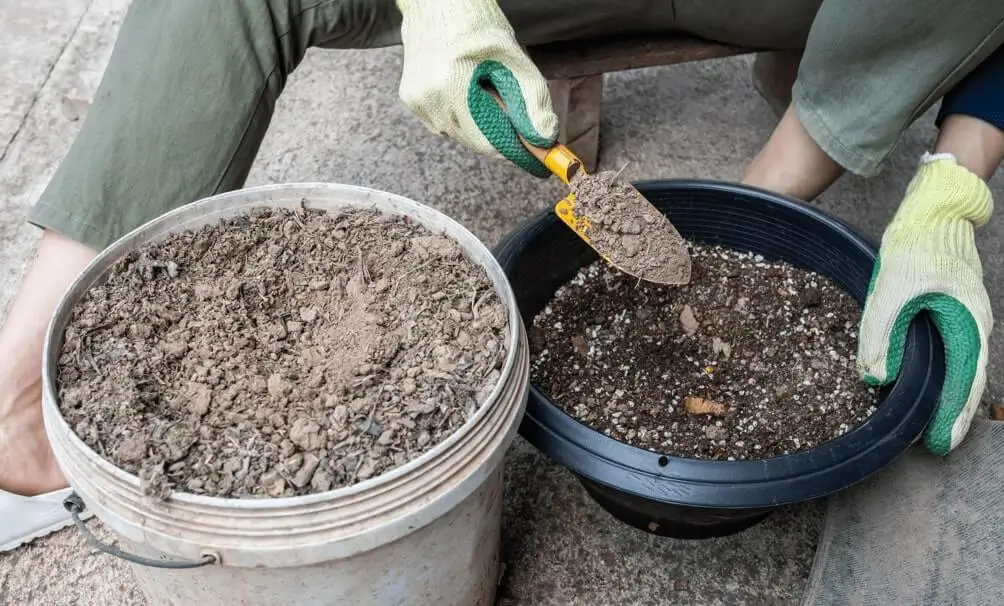
Creating the right soil mix is one of the most important steps for growing healthy fruit trees in pots or small spaces. A homemade soil mix gives your trees better drainage, stronger roots, and more nutrients than ordinary garden soil. The best part is that you can customize the mix based on your climate, tree type, and container size while saving money. In this beginner-friendly guide, you’ll learn how to make the perfect homemade soil mix for fruit trees, which ingredients work best, and how to keep your trees thriving year-round.
Why Homemade Soil Mix Matters for Container Fruit Gardening
Container fruit trees live their entire lives in a limited root zone. Unlike in-ground trees, they can’t search for nutrients or escape compacted soil. This makes soil quality the single most important factor in success.
A proper homemade soil mix:
- Ensures excellent drainage (prevents root rot)
- Holds enough moisture without becoming soggy
- Provides steady nutrients for long-term growth
- Allows roots to breathe and expand freely
If you’re growing fruit trees on a balcony or terrace, this works hand in hand with choosing the right container size and material, which we cover in our guide to choosing containers suitable for fruit trees.
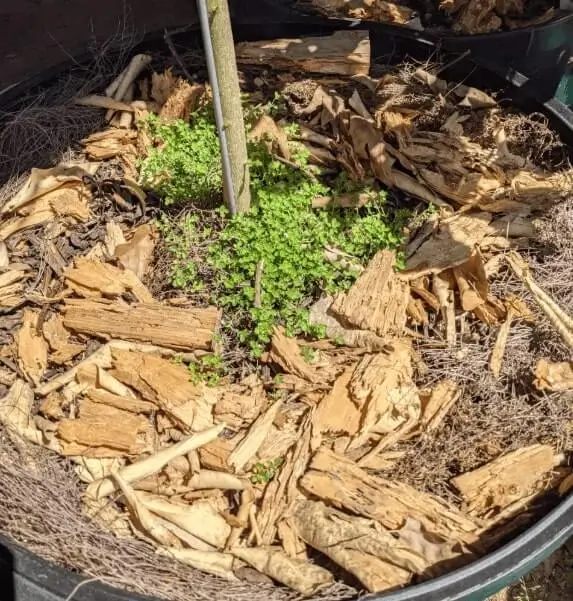
What Fruit Trees Need From Soil (The 5 Essentials)
Before mixing anything, understand what you’re aiming for.
1. Excellent Drainage
Fruit trees hate “wet feet.” Soil must allow excess water to escape quickly while still retaining moisture.
2. Moisture Retention
Roots need consistent moisture, especially in containers that dry out faster than garden beds.
3. Aeration
Oxygen is critical for root health. Dense soil suffocates roots and slows growth.
4. Nutrients
Fruit trees are long-term plants. Soil must supply both immediate and slow-release nutrition.
5. Stable Structure
The mix should not break down too quickly or compact after a few waterings.
If you’ve ever struggled with overwatering, our article on how often to water fruit trees in containers pairs perfectly with this soil guide.
How to Make Homemade Soil Mix for Fruit Trees (Step-by-Step)
Basic All-Purpose DIY Soil Mix (Best for Most Fruit Trees)
This recipe works for citrus, figs, apples, peaches, and many dwarf fruit trees.
Ingredients (by volume):
- 40% high-quality compost
- 30% coco coir or peat moss
- 20% perlite or pumice
- 10% garden topsoil or aged bark fines
Why this works:
- Compost feeds the tree.
- Coco coir/peat holds moisture.
- Perlite improves drainage and airflow.
- Topsoil adds structure and minerals.
How to mix:
- Use a large container or tarp.
- Measure ingredients using the same bucket.
- Mix thoroughly until uniform.
- Lightly moisten before planting.
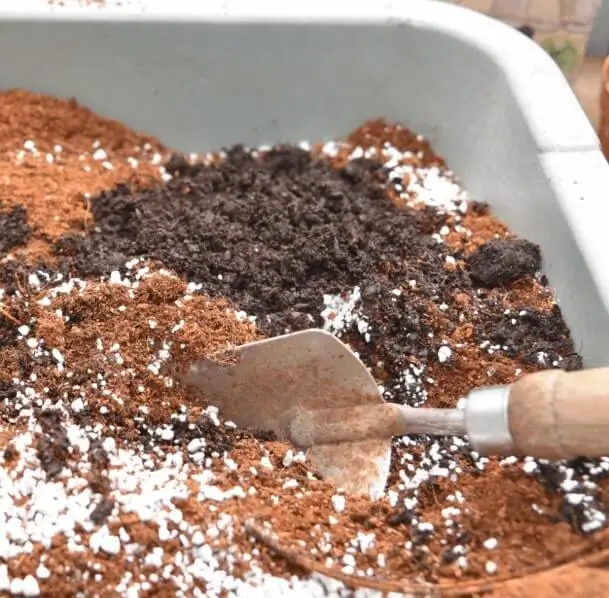
Specialized Homemade Soil Mixes (By Fruit Type)
Citrus Trees (Lemon, Orange, Mandarin)
Citrus prefers slightly acidic, fast-draining soil.
Recommended tweak:
- Add extra perlite (up to 30%)
- Mix in a small amount of pine bark fines.
This complements our full guide on caring for citrus trees in containers.
Stone Fruits (Peach, Plum, Cherry)
These trees need strong drainage to prevent fungal issues.
Recommended tweak:
- Reduce the compost slightly.
- Increase pumice or coarse sand.
Tropical & Subtropical Fruits (Avocado, Mango)
These require warmth, airflow, and excellent drainage.
Recommended tweak:
- Use chunky materials (orchid bark, coarse perlite)
- Avoid heavy topsoil
Common Mistakes Beginners Make With Homemade Soil
Using Garden Soil Alone
Garden soil compacts in containers, leading to poor drainage and root suffocation.
Too Much Compost
More compost isn’t better. Excess organic matter holds too much water.
Skipping Drainage Materials
Without perlite or pumice, soil becomes dense quickly.
Reusing Old Soil Without Refreshing
Old mixes lose structure and nutrients over time.
Ignoring Container Drainage Holes
Even the best soil fails in a container without proper drainage.
For beginners, pairing the right soil with the best containers for balcony fruit trees makes a huge difference.
Tools & Supplies You’ll Need
- Large mixing tub or tarp
- Measuring bucket
- Hand trowel or shovel
- Gloves
- Quality compost (well-aged)
- Perlite, pumice, or coarse sand
Optional but helpful:
- Organic slow-release fertilizer
- Worm castings for extra nutrients
How to Maintain a Homemade Soil Mix Long-Term
Homemade soil isn’t “set and forget.” Here’s how to keep it productive:
Refresh Annually
Top up containers each spring with:
- Fresh compost
- Worm castings
- Light organic fertilizer
Avoid Compaction
- Don’t press soil down firmly.
- Let the water settle naturally.
Monitor Drainage
If water pools on top, it’s time to refresh or repot.
FAQ: Homemade Soil Mix for Fruit Trees
1. Can I use potting soil instead of making my own?
Yes, but many commercial mixes lack long-term nutrition. Homemade mixes are more customizable and cost-effective.
2. How often should I replace homemade soil?
Every 2–3 years, or sooner if drainage declines.
3. Is sand good for fruit tree soil?
Only coarse sand in small amounts. Fine sand causes compaction.
4. Can I make a soil mix without perlite?
Yes, but replace it with pumice, rice hulls, or bark fines for aeration.
5. Do I need fertilizer if my mix has compost?
Yes. Compost feeds initially, but fruit trees need ongoing nutrients.
Conclusion: Build the Foundation for Healthy Fruit Trees
Learning how to make a homemade soil mix for fruit trees gives you complete control over drainage, nutrition, and root health—especially in containers and small spaces. With the right ingredients and simple techniques, you can outperform most store-bought mixes while saving money.
Next steps:
- Choose the right container size.
- Mix your soil using the recipe above.
- Water correctly and monitor drainage.
- Refresh soil annually for long-term success.
Healthy soil is the foundation of productive fruit trees. Get this right, and everything else becomes easier. 🌱🍎