
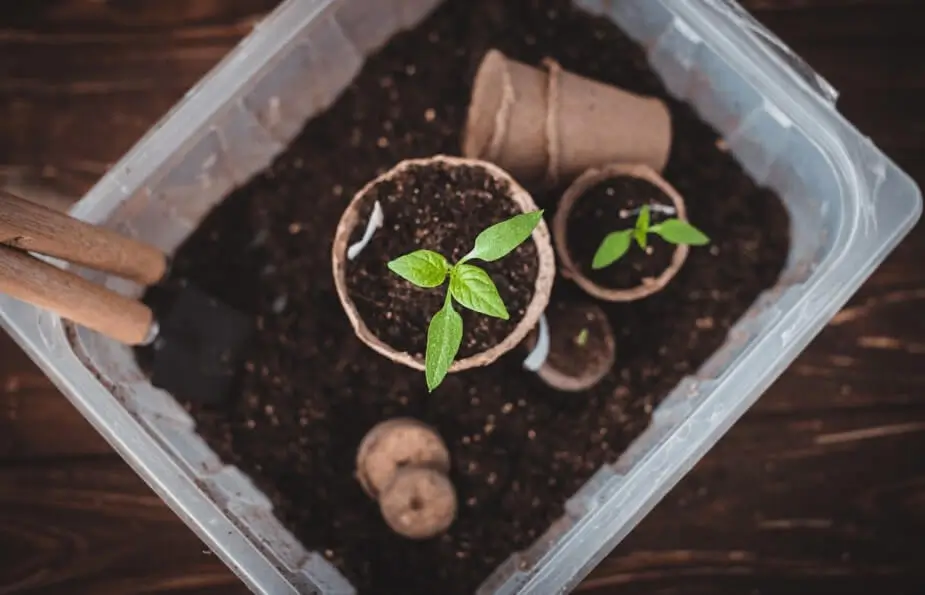
Alkaline soil in containers can quietly limit the growth and productivity of fruit plants by blocking essential nutrients and disrupting root health. When pH levels rise too high, even well-watered and fertilized plants may show signs of stress, poor fruiting, or discoloration. Understanding the causes, recognizing early symptoms, and applying the right fixes can help restore balance and ensure your container fruit plants grow strong and productive.
Why Alkaline Soil Issues Matter in Container Fruit Gardening
Alkaline soil refers to a soil pH above 7.0. While some plants tolerate mild alkalinity, most container-grown fruit plants prefer slightly acidic to neutral soil (pH 5.5–6.8).
Why containers are more vulnerable than garden soil
In pots, soil chemistry changes faster because:
- There is limited soil volume
- Minerals accumulate from tap water and fertilizers
- There’s no natural buffering from surrounding soil biology
Over time, this creates alkaline soil issues in containers that directly affect fruit production.
How high pH harms fruit plants
When soil is too alkaline:
- Iron, manganese, zinc, and phosphorus become unavailable
- Roots struggle to absorb nutrients—even if soil is fertilized
- Beneficial microbes become less active
This leads to nutrient deficiencies that look like feeding problems but aren’t solved by fertilizer alone.
Fruit plants most affected by alkaline container soil
These plants are especially sensitive:
- Citrus (lemon, orange, lime)
- Blueberries
- Strawberries
- Figs
- Avocado (in pots)
If you’re already dealing with slow growth or pale leaves, alkaline soil may be the root cause.
Common Signs of Alkaline Soil Issues in Containers
Recognizing symptoms early helps prevent long-term damage.
Visual symptoms on leaves and growth
- Yellow leaves with green veins (iron chlorosis)
- Stunted new growth
- Leaf drop despite proper watering
- Weak flowering or fruit drop
Soil-related warning signs
- White crust on soil surface or pot edges
- Hard, compacted potting mix
- Poor water absorption or runoff
If your plants show these symptoms alongside compacted or poorly draining soil, alkaline conditions may be working together with other problems. In that case, correcting container soil structure is just as important—see our guide on improving drainage and aeration in pots through proper soil texture.
Step-by-Step Solutions to Fix Alkaline Soil in Containers
Correcting alkaline soil issues in containers requires gentle, gradual changes. Sudden pH shifts can stress roots.
Step 1: Test the soil pH correctly
Before fixing anything, confirm the problem.
- Use a digital soil pH meter or pH test strips
- Test soil moisture first (dry soil gives false readings)
- Measure multiple spots in the container
Target range for most fruit plants: pH 5.8–6.5
Step 2: Switch to the right potting mix
Many alkaline problems start with the wrong soil.
Avoid:
- Garden soil in pots
- Low-quality potting mixes with limestone fillers
- Reused soil without amendment
Choose:
- Peat-based or coco coir potting mix
- Mix labeled for acid-loving plants (when needed)
If your soil has been reused multiple times, it may already contain mineral buildup and imbalanced pH. In that case, refreshing or replacing it is critical—especially if you’ve noticed repeated nutrient problems across seasons.
Step 3: Use safe soil acidifiers (correctly)
These options help lower pH gradually:
Elemental sulfur
- Best long-term solution
- Apply lightly and water well
- Takes weeks to work
Soil sulfur blends or acidifying fertilizers
- Easier for beginners
- Look for ammonium-based nitrogen
Organic options
- Pine bark fines
- Coffee grounds (small amounts only)
- Cottonseed meal
Avoid overuse—too much acidifier can swing pH too far and damage roots.
Step 4: Fix alkaline irrigation water
Even perfect soil can turn alkaline if watered incorrectly.
Tap water often contains:
- Calcium
- Magnesium
- Carbonates
These raise soil pH over time.
Better watering options
- Collect rainwater
- Use filtered or distilled water
- Periodically flush containers deeply to remove salts
If your soil dries too fast or forms hard crusts, water quality and soil structure are usually linked—improving moisture retention can also help stabilize pH.
Step 5: Apply chelated micronutrients (temporary fix)
When plants already show deficiency symptoms:
- Use chelated iron (EDDHA or DTPA)
- Apply as soil drench, not foliar spray
- This treats symptoms, not the cause
Think of chelates as a band-aid while you correct the underlying alkaline soil issue.
Common Beginner Mistakes That Make Alkaline Soil Worse
Many gardeners unintentionally worsen alkaline soil issues in containers.
Over-liming or adding wood ash
- Lime raises pH—never add it unless soil is acidic
- Ash is extremely alkaline and unsuitable for pots
Over-fertilizing instead of fixing pH
- More fertilizer ≠ more nutrients absorbed
- High pH blocks uptake regardless of fertilizer level
Ignoring drainage and compaction
Alkaline soil often becomes compacted, limiting root function. If water pools or drains slowly, improving soil structure is essential before adjusting pH.
Tools, Containers, and Care Tips That Prevent Alkaline Soil Problems
Best containers for pH stability
- Fabric grow bags (excellent drainage)
- Plastic pots with multiple drainage holes
- Avoid unsealed concrete pots (they leach lime)
Useful tools
- Digital soil pH meter
- EC/TDS meter for water quality
- Measuring spoon for soil amendments
Smart maintenance habits
- Flush containers every 4–6 weeks
- Repot fruit trees every 1–2 years
- Refresh top ⅓ of soil each season
Using a balanced potting mix and refreshing soil regularly prevents long-term pH drift and keeps nutrients available.
FAQ: Alkaline Soil Issues in Containers
What causes alkaline soil in container plants?
Alkaline soil usually comes from mineral-heavy tap water, poor-quality potting mix, reused soil, or alkaline fertilizers.
Can I fix alkaline soil without repotting?
Yes, mild alkalinity can be corrected with sulfur, acidifying fertilizers, and better water—but severe cases often need partial soil replacement.
Is vinegar safe to lower soil pH in pots?
No. Vinegar acts too fast and can burn roots. It’s not recommended for container fruit plants.
How long does it take to correct alkaline soil?
Elemental sulfur may take 4–8 weeks. Fertilizer-based solutions work faster but need consistent use.
Do all fruit plants hate alkaline soil?
No, but most container-grown fruit performs best in slightly acidic soil. Blueberries and citrus are especially sensitive.
Conclusion: Fix Alkaline Soil and Restore Healthy Container Fruit Growth
Alkaline soil issues in containers don’t mean failure—they mean adjustment. Once you understand how pH affects nutrient availability, the solution becomes clear: test the soil, choose the right potting mix, manage water quality, and apply acidifying amendments gradually. Avoid quick fixes and focus on long-term soil health.
Your next steps:
- Test your container soil pH this week
- Improve soil mix quality if needed
- Adjust watering and fertilization habits
- Monitor plant response over the next month
With the right approach, your container fruit plants can recover quickly—and reward you with healthy growth and better harvests.