
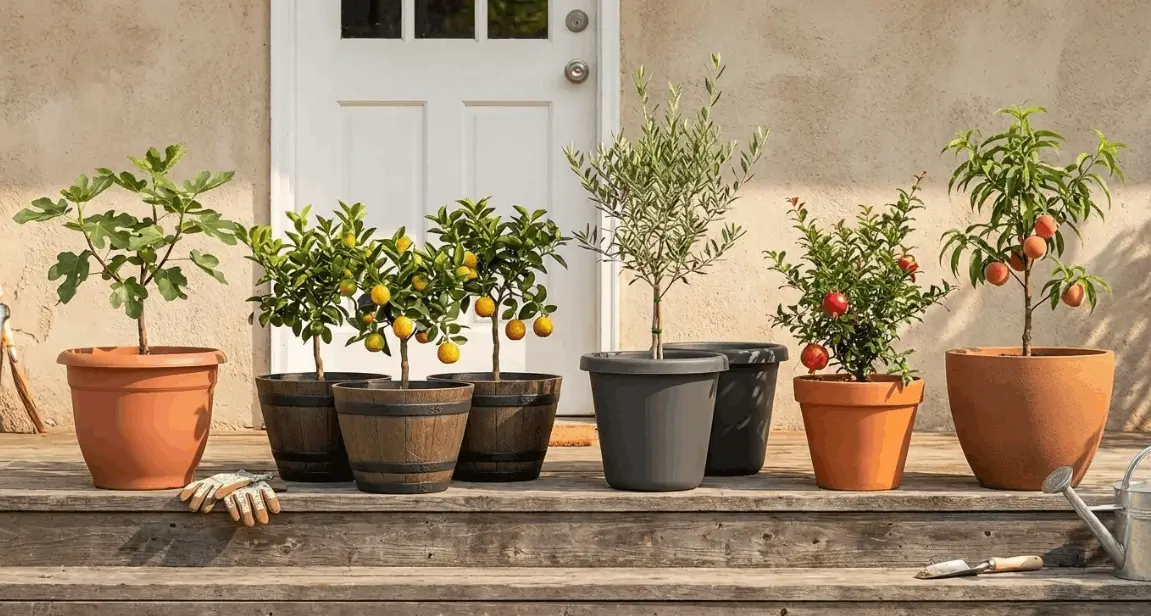
Growing fruit trees in containers is one of the best ways to enjoy fresh fruit even if you only have a balcony, patio, or small backyard. When it comes to container gardening, many people wonder about Plastic vs Clay Pots for Fruit Trees and which option is best. From lemons and figs to dwarf apples and peaches, container gardening makes fruit growing accessible to almost everyone.
However, many beginner gardeners run into a frustrating problem:
their fruit trees stop growing, drop fruit, or develop unhealthy roots.
In many cases, the problem isn’t the tree — it’s the pot.
Choosing between plastic pots and clay (terracotta) pots can significantly affect:
- root temperature
- soil moisture
- drainage
- nutrient retention
- overall fruit production
The wrong container can lead to root rot, stunted growth, or constant watering issues.
The good news? Once you understand the difference between these two container types, choosing the right pot becomes much easier.
In this detailed GrowFruitly guide, you’ll learn:
- The key differences between plastic and clay pots for fruit trees
- The advantages and disadvantages of each container type
- Which pots work best for different fruit trees
- How to choose the perfect container size and material
- Expert tips for growing healthy fruit trees in pots
If you’re planning to grow fruit trees in containers successfully, this guide will help you make the right choice from the start.
Plastic vs Clay Pots for Fruit Trees: In-Depth Product Reviews
Below are some of the most popular and reliable container options used by gardeners growing fruit trees in pots.
Bloem Ariana Self-Watering Planter
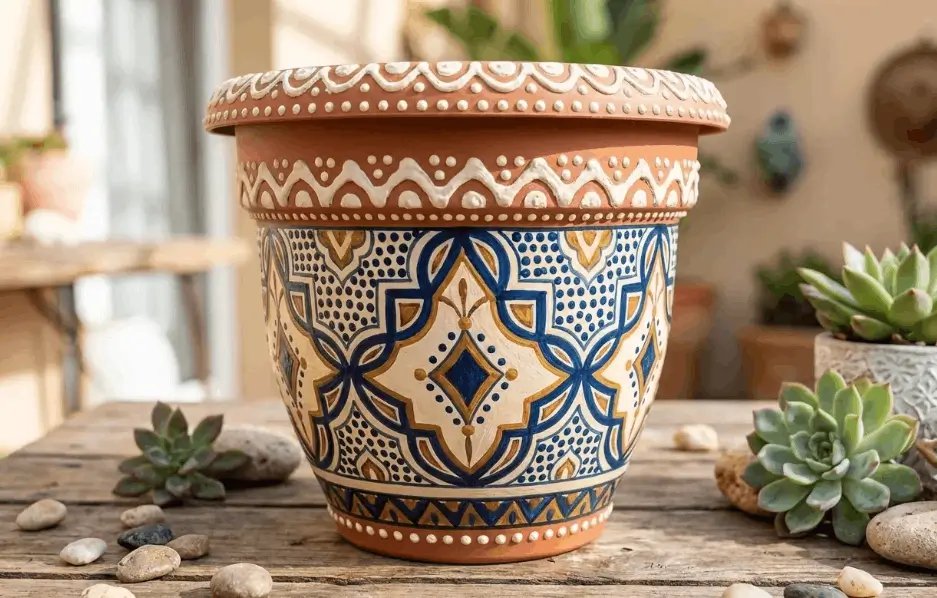
Overview
The Bloem Ariana Self-Watering Planter is a durable plastic container designed to simplify watering for container plants. For fruit tree growers, maintaining consistent soil moisture is one of the biggest challenges, especially in hot climates.
This planter includes a self-watering reservoir system, which helps maintain stable moisture levels and prevents the soil from drying out too quickly.
It is lightweight, affordable, and suitable for patios, balconies, and small-space gardens.
Key Features
- Self-watering reservoir system
- Lightweight plastic construction
- Built-in drainage control
- UV-resistant material
- Multiple size options
Pros
- Helps prevent underwatering
- Lightweight and easy to move
- Affordable option for beginners
- Resistant to cracking and weather
Cons
- Less breathable than clay pots
- Plastic may heat up in direct sun
Best For
This planter is ideal for beginner gardeners or anyone growing fruit trees on balconies or patios who wants a simple watering solution.
Classic Home & Garden Whiskey Barrel Planter
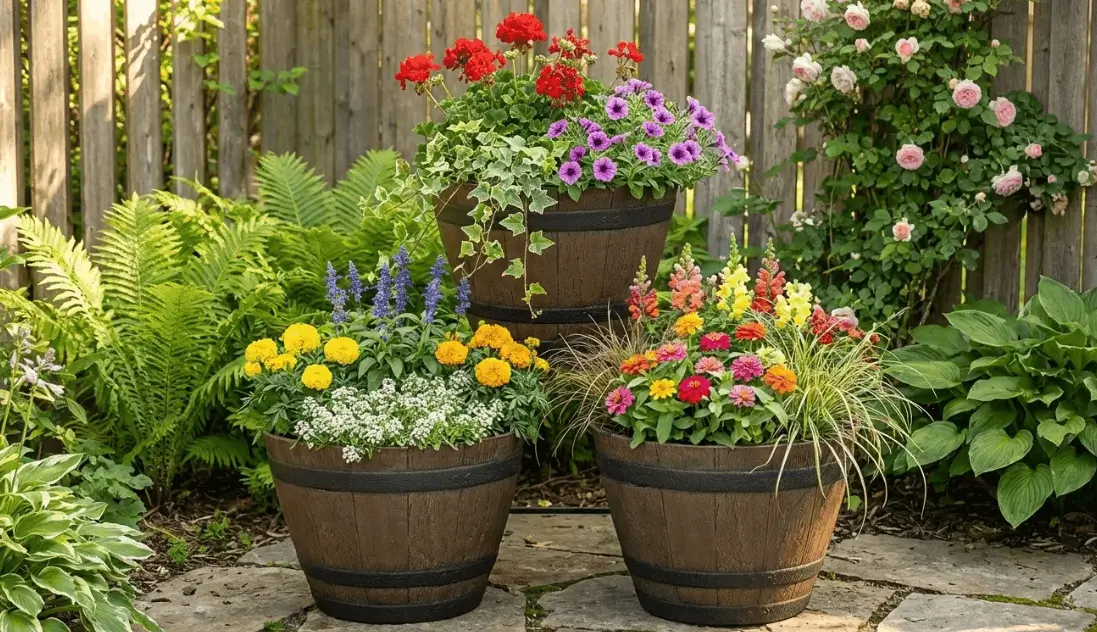
Overview
The Classic Home & Garden Whiskey Barrel Planter combines the aesthetic of rustic wooden barrels with the practicality of durable resin material.
This container is deeper and wider than many standard pots, making it well-suited for dwarf fruit trees and larger root systems.
Unlike traditional clay pots, it retains moisture better and is less likely to crack during temperature changes.
Key Features
- Durable resin construction
- Rustic whiskey-barrel design
- Large planting capacity
- Lightweight compared to ceramic
- Weather-resistant material
Pros
- Large root space for fruit trees
- Stylish patio appearance
- More durable than clay
- Retains moisture well
Cons
- Not as breathable as terracotta
- Can hold excess moisture without proper drainage
Best For
Perfect for gardeners growing dwarf fruit trees such as citrus, figs, and apples on patios or decks.
HC Companies 20-Inch Round Classic Planter
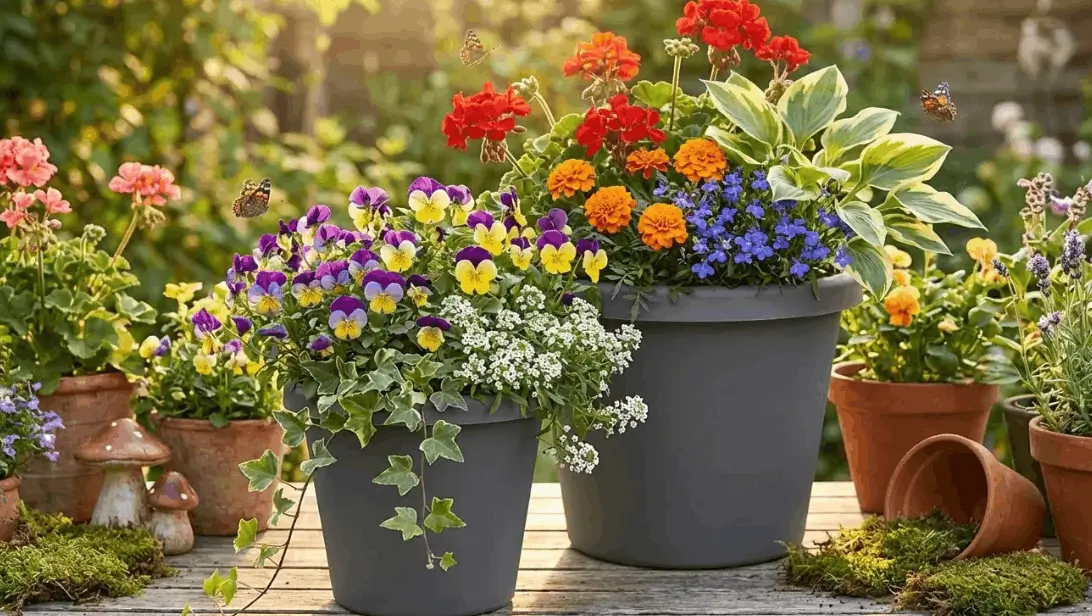
Overview
The HC Companies Round Classic Planter is a simple but highly functional plastic container widely used for container gardening.
Its large diameter and lightweight build make it ideal for fruit trees that require room for root expansion.
The pot also includes pre-drilled drainage holes, helping prevent water buildup that could damage roots.
Key Features
- 20-inch planting diameter
- Durable plastic construction
- Pre-drilled drainage holes
- Lightweight design
- Weather-resistant finish
Pros
- Affordable and widely available
- Excellent size for dwarf fruit trees
- Easy to move around the garden
- Good drainage system
Cons
- Basic appearance
- May require extra support for larger trees
Best For
Gardeners who want a simple, budget-friendly plastic container for growing fruit trees.
Deroma Standard Clay Pot (Terracotta)
Overview
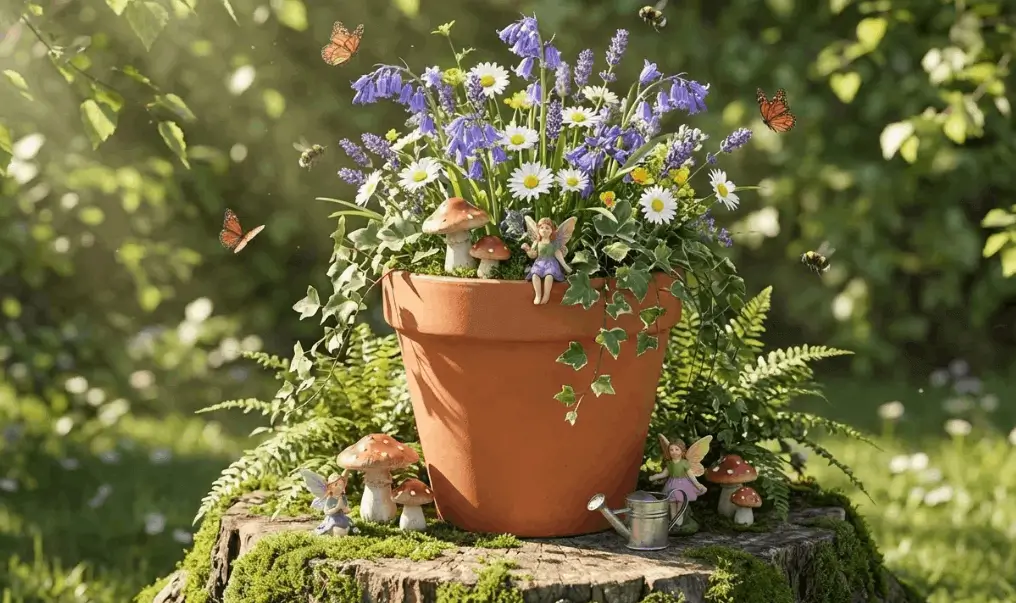
Terracotta pots like the Deroma Clay Pot are a traditional favorite among gardeners. These pots are made from natural clay and are known for their excellent breathability and moisture regulation.
Because clay is porous, it allows air and water to move through the pot walls. This improves root oxygen levels and reduces the risk of root rot.
However, clay containers tend to dry out faster than plastic pots.
Key Features
- Natural terracotta clay material
- Breathable porous walls
- Classic Mediterranean appearance
- Good drainage support
- Heavy and stable design
Pros
- Excellent airflow for roots
- Reduces risk of root rot
- Natural aesthetic look
- Very stable in windy conditions
Cons
- Heavier and harder to move
- Soil dries out faster
Best For
Gardeners growing fruit trees that prefer excellent drainage, such as citrus, figs, and olives.
La Jolíe Muse Large Terracotta Planter
Overview
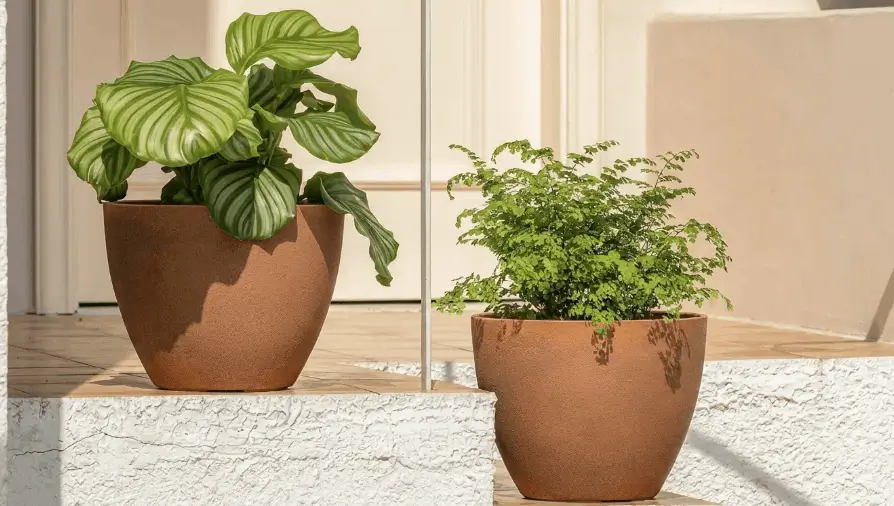
The La Jolíe Muse Terracotta Planter is a modern take on traditional clay containers. It combines classic terracotta benefits with a more decorative design.
The breathable clay structure helps prevent waterlogging while maintaining good root oxygenation — essential for fruit tree health.
It is particularly popular among gardeners who want both functionality and aesthetic appeal.
Key Features
- Natural clay construction
- Porous breathable walls
- Decorative outdoor design
- Drainage hole included
- Thick durable material
Pros
- Excellent root aeration
- Beautiful patio design
- Durable construction
- Helps prevent overwatering
Cons
- Higher price than plastic pots
- Requires more frequent watering
Best For
Gardeners who want premium clay containers for patios or decorative container orchards.
Detailed Buying Guide: Choosing the Right Pot for Fruit Trees
Growing fruit trees in containers requires more planning than planting them in the ground. The container you choose directly impacts root health, moisture balance, and fruit production.
Here are the most important factors to consider.
Container Size Considerations
Fruit trees require large containers to develop healthy roots.
Recommended sizes:
- Young fruit trees: 10–15 gallon containers
- Dwarf fruit trees: 15–25 gallon containers
- Semi-dwarf trees: 25–30 gallon containers
Larger pots allow roots to expand, improving nutrient absorption and overall tree growth.
Drainage and Root Health
Poor drainage is one of the most common causes of container tree failure.
Always choose containers with:
- drainage holes
- well-draining potting soil
- elevated bases if possible
Clay pots naturally help with drainage because they allow water to evaporate through the walls.
Soil Quality and Nutrients
Fruit trees grown in containers depend entirely on the soil in the pot.
Use high-quality potting soil with:
- compost
- organic matter
- slow-release fertilizer
This ensures consistent nutrients for healthy fruit production.
Durability and Materials
Container materials influence temperature control and moisture retention.
Plastic pots:
- retain moisture longer
- lightweight and affordable
- may overheat in strong sun
Clay pots:
- breathable and natural
- excellent for drainage
- heavier and more fragile
Choosing between them depends on your climate and watering habits.
Common Problems With Potted Fruit Trees
Container fruit trees often face several common challenges.
Understanding these issues helps you prevent them.
Root Rot
Root rot happens when soil remains constantly wet.
Clay pots help reduce this risk because their porous structure allows moisture to escape.
Slow Growth
Small containers restrict root expansion.
Upgrading to larger pots can significantly improve tree growth.
Poor Drainage
Plastic containers without proper drainage holes can trap water.
Always check for adequate drainage before planting.
Nutrient Deficiency
Container soil loses nutrients over time.
Using high-quality potting soil and fertilizer keeps trees productive.
Fruit Drop
Fruit trees sometimes drop young fruit due to stress.
Common causes include:
- inconsistent watering
- small containers
- poor soil nutrition
Choosing the right pot helps stabilize the tree’s growing conditions.
Expert Tips for Growing Fruit Trees in Containers
Growing fruit trees in pots becomes much easier when you follow a few proven gardening practices.
Watering Techniques
Container trees dry out faster than ground-planted trees.
Water when:
- the top 2–3 cm of soil feels dry
- leaves begin to droop slightly
Avoid overwatering, which can suffocate roots.
Fertilizing Schedule
Fruit trees in containers require regular feeding.
Recommended schedule:
- slow-release fertilizer every 2–3 months
- liquid fertilizer every 2–4 weeks during growing season
Sunlight Requirements
Most fruit trees need 6–8 hours of direct sunlight daily.
Place containers in the sunniest part of your balcony or garden.
Repotting Tips
Fruit trees should be repotted every 2–3 years.
Signs repotting is needed:
- roots growing out of drainage holes
- water draining too quickly
- slowed growth
Repotting refreshes soil and provides space for root expansion.
Final Verdict
Choosing between plastic and clay pots ultimately depends on your gardening conditions.
Best Overall Product
Classic Home & Garden Whiskey Barrel Planter
Offers excellent size, durability, and moisture retention for most fruit trees.
Best Budget Option
HC Companies Round Classic Planter
Affordable, lightweight, and practical for beginners starting container orchards.
Best Premium Choice
La Jolíe Muse Terracotta Planter
Beautiful design with excellent drainage and root aeration.
FAQ: Plastic vs Clay Pots for Fruit Trees
Are plastic pots good for fruit trees?
Yes. Plastic pots retain moisture well and are lightweight, making them great for container fruit trees, especially in hot climates.
Are clay pots better than plastic pots?
Clay pots provide better airflow and drainage, which helps prevent root rot. However, they dry out faster and require more frequent watering.
What size pot is best for fruit trees?
Most dwarf fruit trees grow best in containers between 15 and 25 gallons.
Do fruit trees grow better in terracotta pots?
Terracotta pots help improve root aeration and drainage, which can benefit certain fruit trees like citrus and figs.
How often should I water fruit trees in containers?
Most container fruit trees need watering 2–4 times per week, depending on temperature and pot size.
Can fruit trees stay in pots permanently?
Yes. Many dwarf fruit trees are specifically bred to grow successfully in containers for many years.
If you’re building your container fruit garden, choosing the right pot is one of the most important decisions you’ll make.
With the right container, good soil, and proper care, your potted fruit trees can produce healthy growth and delicious harvests for years.