
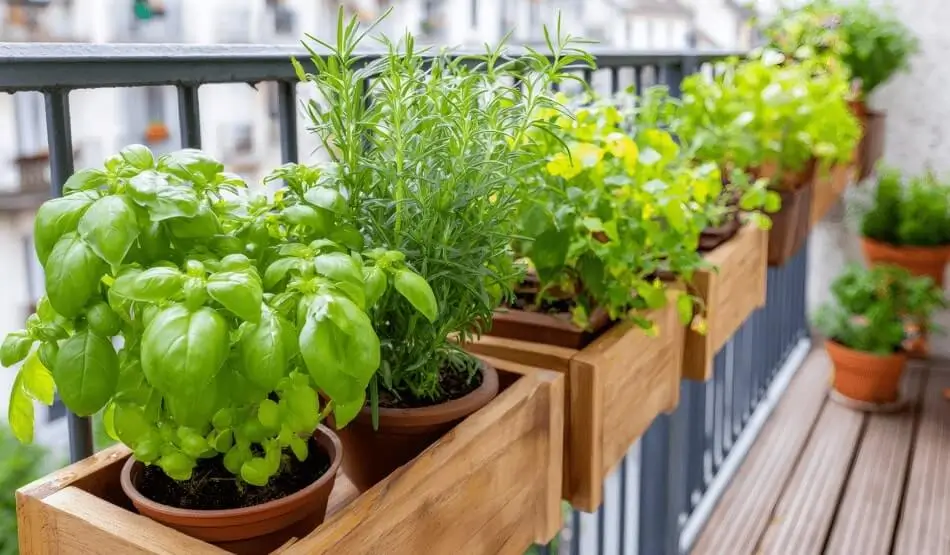
Growing fruit on a balcony is one of the easiest ways to enjoy fresh harvests in small spaces. The right fruits can thrive in containers, require minimal maintenance, and fit perfectly on sunny patios or apartment balconies. In this guide, you’ll discover the best fruits to grow on balconies, plus practical beginner tips for creating a productive small-space garden.
Why Growing Fruit on a Balcony Is Easier Than You Think
Balcony fruit gardening works because many fruit plants naturally adapt well to containers. When root growth is controlled, plants stay compact and easier to manage. Containers also allow you to:
- Control soil quality and drainage
- Move plants to follow the sunlight.
- Protect fruit from pests and bad weather.
- Grow fruit even without a yard.
For beginners, this level of control often leads to better results than planting directly in the ground.
Key Factors for Choosing the Best Balcony Fruits
Before selecting fruit plants, it’s important to understand what makes a fruit suitable for balcony growing.
Sunlight Requirements
Most fruit plants need 6–8 hours of direct sunlight daily. South- or west-facing balconies are ideal, but some fruits tolerate partial sun.
Container Size
Balcony fruits usually grow best in containers between 10 and 20 gallons, depending on the plant. Smaller fruits and berries need less space, while dwarf trees need deeper pots.
Growth Habit
Look for:
- Dwarf or compact varieties
- Self-pollinating plants
- Fruits labelled as “container-friendly.”
Best Fruits to Grow on Balconies (Top Choices)
1. Strawberries (Perfect for Beginners)
Strawberries are one of the easiest and most rewarding balcony fruits.
Why they’re ideal:
- Shallow roots
- Fast harvest (8–12 weeks)
- Thrive in hanging baskets or railing planters.
Tips for success:
- Use a well-draining potting mix.
- Water consistently
- Harvest regularly to encourage more fruit.
2. Dwarf Citrus Trees (Lemon, Lime, Calamondin)
Dwarf citrus trees are among the most popular balcony fruit plants.
Best options:
- Dwarf lemon
- Dwarf lime
- Calamondin orange
They grow well in containers and produce fruit year-round in warm climates.
To avoid issues, follow a proper watering schedule for potted citrus trees, as they dislike soggy soil.
3. Blueberries (Surprisingly Balcony-Friendly)
Blueberries thrive in containers when given acidic soil.
Key requirements:
- Acidic potting mix (pH 4.5–5.5)
- At least 6 hours of sun
- Consistent moisture
Using the best soil for fruit in pots is especially important for blueberries to prevent nutrient lockout.
4. Figs (Compact and Productive)
Certain fig varieties perform exceptionally well in containers.
Why figs work on balconies:
- Naturally shallow roots
- Produce fruit even when root-bound
- Tolerant of heat and wind
Choose compact varieties and prune annually to maintain size.
5. Raspberries and Blackberries (Dwarf Varieties)
Dwarf cane berries are excellent for balconies with vertical space.
Growing tips:
- Use deep containers (15+ gallons)
- Provide a small trellis.
- Prune old canes after fruiting.
6. Dwarf Apple and Pear Trees
Yes, apples and pears can grow on balconies!
Best choices:
- Columnar or patio varieties
- Self-pollinating types
They require larger containers and benefit from proper fertilization to maintain fruit quality.
Step-by-Step: How to Start Growing Fruit on a Balcony
Step 1: Choose the Right Containers
- Ensure drainage holes
- Use breathable materials, such as fabric or terracotta.
- Match container size to plant type
Step 2: Use High-Quality Potting Mix
Avoid garden soil. Instead, use lightweight mixes designed for containers. This supports root health and prevents compaction.
Step 3: Plant Correctly
- Keep the graft union above soil level (for trees)
- Firm soil gently around roots
- Water deeply after planting
Step 4: Place for Optimal Sun
Rotate pots weekly to ensure even growth.
Best Practices for Balcony Fruit Gardening
- Water deeply, not frequently
- Mulch container surfaces to reduce evaporation
- Feed plants regularly during active growth.
- Inspect leaves weekly for pests.
If you’re new to container fruit gardening, following a structured approach can help you avoid frustration early on.
Common Mistakes to Avoid
Overwatering
One of the most common problems. Always check soil moisture before watering.
Using Containers That Are Too Small
Small pots restrict roots and reduce fruit production.
Ignoring Fertilization
Fruit plants are heavy feeders. Without nutrients, yields suffer.
Choosing the Wrong Variety
Standard fruit trees grow too large. Always select dwarf or container-specific varieties.
Tips for Maximizing Fruit Yield on Small Balconies
- Grow vertically using trellises.
- Use reflective surfaces to increase light.
- Hand-pollinate flowers with a soft brush
- Prune regularly to focus energy on fruiting.
Frequently Asked Questions (FAQ)
What is the easiest fruit to grow on a balcony?
Strawberries are the easiest, followed by dwarf citrus trees and figs.
How much sun do balcony fruit plants need?
Most need at least 6 hours of direct sunlight daily.
Can I grow fruit on a shaded balcony?
Yes, but options are limited. Berries and figs tolerate partial shade better than citrus.
Do balcony fruit plants need special fertilizer?
Yes. Container-grown fruit benefits from slow-release or liquid fertilizers formulated for fruiting plants.
How often should I water fruit plants in pots?
Water when the top 2–3 inches of soil feel dry. Frequency varies by season and container size.
Conclusion: Turn Your Balcony Into a Fruit Garden
Growing fruit in a small space is not only possible—it’s incredibly rewarding. By choosing the best fruits to grow on balconies, using proper containers, and following simple care practices, beginners can enjoy fresh, homegrown harvests even in apartments.
If you’re ready to go deeper, explore more GrowFruitly guides on balcony-friendly fruit care and start building a productive container garden step by step. Your balcony has more potential than you think 🌱🍓
[…] guide explains everything you need to know about growing an almond tree in a container, from choosing the right pot and soil to watering, pruning, fertilizing, and winter […]