
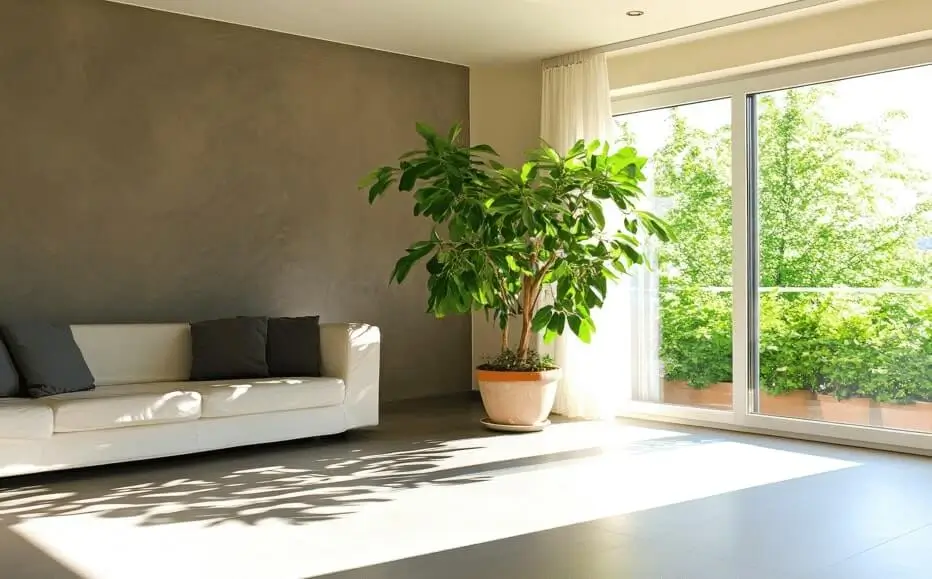
Moving fruit trees indoors can help protect them from harsh weather, but it often introduces a new set of challenges that can affect their health and productivity. Limited light, dry indoor air, temperature fluctuations, and pest issues are among the most common problems container gardeners face. Understanding these challenges and how to manage them is essential to keeping your potted fruit trees thriving indoors. In this guide, you’ll discover the key problems that arise when transitioning fruit trees inside and learn practical, proven solutions to maintain healthy growth and encourage fruit production year-round.
Why Moving Fruit Trees Indoors Matters in Container Gardening
Container fruit gardening gives you flexibility—but that flexibility comes with responsibility. Unlike in-ground trees, potted fruit trees rely entirely on you to manage their environment.
When you move a fruit tree indoors, several things change instantly:
- Light intensity drops by 60–90%
- Air becomes drier and stagnant
- Temperature becomes more stable but warmer
- Soil dries differently
- Natural predators disappear (hello, pests)
For container-grown fruit trees, these changes can cause:
- Sudden leaf drop
- Flower and fruit loss
- Weak, leggy growth
- Root stress and watering problems
If you’ve ever wondered why your tree looked perfect outside but struggled indoors, this transition is the reason. Understanding it is the foundation for solving moving fruit trees indoors problems effectively.
The Biggest Problems When Moving Fruit Trees Indoors
Before fixing issues, you need to recognize them early.
1. Sudden Leaf Drop (The Most Common Issue)
Leaf drop usually happens within 1–3 weeks after moving indoors. It’s a stress response, not disease.
Main causes:
- Low light
- Dry indoor air
- Temperature shock
👉 If your tree is dropping leaves but stems are green, it can recover.
2. Weak or Leggy Growth
New growth that is pale, thin, and stretched means your tree is starving for light.
You may also want to review this related guide on indoor fruit tree light problems to fine-tune your setup.
3. Pest Explosions
Indoors, pests like spider mites and aphids thrive because:
- No rain washes them off
- No beneficial insects control them
If you’ve previously dealt with pests on indoor fruit trees, indoor transitions are often the trigger.
4. Overwatering and Root Stress
Outdoor watering habits don’t work indoors. Cooler soil and lower evaporation cause roots to suffocate if watering isn’t adjusted.
Step-by-Step: How to Move Fruit Trees Indoors the Right Way
Step 1: Inspect and Clean the Tree
Before bringing your tree inside:
- Check under leaves for pests
- Rinse foliage with water
- Remove dead or damaged growth
This prevents infestations that are harder to control indoors.
Step 2: Gradual Light Reduction (Critical)
Instead of moving directly indoors:
- Place the tree in partial shade for 7–10 days
- Then move it indoors near the brightest window
This reduces shock and prevents massive leaf drop.
Step 3: Choose the Brightest Location
Indoor fruit trees need maximum light, preferably:
- South- or west-facing windows
- Supplemental grow lights if possible
If your tree shows pale growth, refer to this guide on artificial lighting for indoor fruit trees.
Step 4: Adjust Watering Immediately
Indoors:
- Soil dries slower
- Roots use less water
Rule: Water only when the top 2–3 cm of soil is dry.
If you’ve struggled with soggy soil before, this connects closely with issues discussed in container fruit tree drainage problems.
Step 5: Increase Humidity
Dry air worsens leaf drop and pest problems.
Simple fixes:
- Use a humidity tray
- Group plants together
- Light misting (early in the day)
Best Indoor Conditions for Fruit Trees
Light Requirements
- Minimum: 6–8 hours of bright light
- Ideal: 10–12 hours with grow lights
Low light is the #1 cause of moving fruit trees indoors problems.
Temperature
- Ideal range: 10–18°C (50–65°F) for overwintering
- Avoid heaters, radiators, and cold drafts
Airflow
- Gentle airflow prevents fungal disease
- A small fan on low works well
Common Beginner Mistakes (And How to Avoid Them)
Moving Trees Indoors Too Late
Waiting until frost forces a sudden move, increasing stress.
✔ Move trees before cold nights begin.
Overwatering “Because It’s Indoors”
Indoor trees need less, not more water.
✔ Always check soil moisture first.
Expecting Growth in Winter
Many fruit trees slow down or rest indoors.
✔ Focus on survival, not growth.
Ignoring Early Warning Signs
Leaf curl, sticky residue, or pale growth are signals.
✔ Act early—don’t wait.
Tools & Supplies That Make Indoor Growing Easier
Essential Tools
- Full-spectrum grow lights
- Moisture meter (optional but helpful)
- Well-draining potting mix
- Stable containers with drainage holes
Choosing the right container is crucial—especially if your tree has struggled before with root-bound container fruit trees.
FAQ: Moving Fruit Trees Indoors Problems
Why do fruit trees lose leaves after being moved indoors?
Leaf drop is a stress response caused by lower light, dry air, and temperature changes. It’s common and often temporary.
Can fruit trees survive indoors year-round?
Some can, but most fruit trees perform best with outdoor summer growth and indoor winter rest.
Should I fertilize fruit trees indoors?
Reduce or stop fertilizing during winter unless the tree is actively growing under strong light.
How long does it take for a fruit tree to adjust indoors?
Most trees stabilize within 3–6 weeks if conditions are right.
Do indoor fruit trees need pruning?
Only light pruning—remove dead or crossing branches, not heavy shaping.
Conclusion: Help Your Fruit Trees Thrive Indoors
Moving fruit trees indoors problems are not a sign of failure—they’re part of container gardening. Leaf drop, slow growth, and pest issues happen because indoor environments are drastically different from outdoors.
The key is gradual transition, strong light, proper watering, and patience. Focus on keeping your tree healthy through winter, not forcing growth. When spring arrives and your tree moves back outside, it will reward you with stronger growth and better fruiting.
Next steps:
- Improve indoor light
- Adjust watering habits
- Monitor pests weekly
- Prepare for a gradual move back outdoors
Handled correctly, moving fruit trees indoors becomes a skill—not a struggle. 🌱