
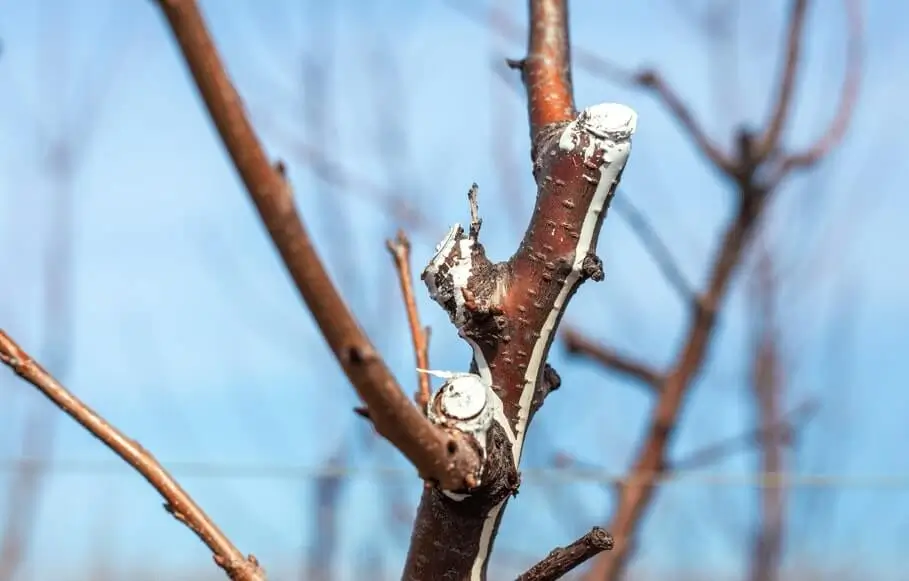
When spring arrives, fruit trees are expected to break dormancy and begin producing fresh growth. However, container-grown fruit trees sometimes remain inactive, leaving gardeners concerned about their health and survival. Delayed bud break or complete inactivity can result from environmental stress, improper winter care, or underlying health issues. Understanding the reasons behind this problem is essential to restoring growth and ensuring a productive season. In this guide, you’ll discover the most common causes of fruit trees not waking up in spring, along with practical solutions to revive dormant trees and encourage healthy regrowth.
Why Fruit Trees Not Waking Up in Spring Matters for Container Gardeners
Container fruit trees behave differently than trees planted in the ground. Their roots are exposed, soil temperatures fluctuate faster, and moisture levels change more dramatically. As a result, dormancy problems are far more common in pots.
When a fruit tree doesn’t wake up on time, it can lead to:
- Reduced or zero fruit production that season
- Weak growth and long-term decline
- Increased vulnerability to pests and diseases
- Premature death if the underlying issue isn’t corrected
If you’re growing fruit trees on a balcony, patio, rooftop, or small yard, learning to manage dormancy correctly is essential. Many issues blamed on “bad trees” are actually preventable care mistakes.
If you’re new to container fruit growing, this pairs well with our guide on choosing the right pots and setups for fruit trees in containers, which explains how container size and drainage affect tree health year-round.
What “Dormancy” Really Means (and Why Trees Wake Up Late)
Dormancy is a survival mechanism. During winter, fruit trees shut down growth to protect themselves from cold damage. To wake up properly in spring, they need:
- Enough chill hours (cold exposure)
- Gradual warming, not sudden heat
- Adequate soil moisture
- Healthy, undamaged roots
If any of these factors are off, dormancy can last longer—or the tree may fail to wake up entirely.
Step-by-Step: How to Diagnose Fruit Trees Not Waking Up in Spring
Before taking action, you must identify the real reason your tree hasn’t leafed out yet.
Step 1: Check Buds and Branches (The Scratch Test)
Use your fingernail or a clean knife to gently scratch the bark:
- Green underneath → The branch is alive
- Brown and dry → That section is dead
Check multiple spots, especially closer to the trunk.
Step 2: Inspect the Buds Closely
- Plump buds = alive but delayed
- Shriveled or black buds = cold or drought damage
- No visible buds = severe stress or incorrect pruning
Step 3: Examine the Roots (Container Trees Only)
Slide the tree out of its pot carefully:
- White or light-colored roots = healthy
- Brown, mushy, or foul-smelling roots = rot
- Bone-dry roots = winter dehydration
Root issues are a top cause of fruit trees not waking up in spring in containers.
The Most Common Reasons Fruit Trees Stay Dormant Too Long
1. Insufficient Chill Hours
Many fruit trees require a specific number of cold hours (usually between 32–45°F / 0–7°C).
If winter was too warm:
- Buds may remain dormant
- Flowering can be uneven or absent
This is especially common with apples, peaches, and cherries grown in mild climates.
👉 If this happens often, consider low-chill fruit varieties better suited to your region.
2. Root Damage from Winter Cold (Container-Specific)
In-ground trees are insulated by soil. Containers are not.
Cold snaps can:
- Freeze roots solid
- Kill fine feeder roots
- Delay spring wake-up by weeks
This problem often goes unnoticed until spring. If you’ve ever wondered whether winter exposure affected your tree, our article on protecting potted fruit trees during winter dormancy explains how to prevent this exact issue.
3. Overwatering or Root Rot
One of the most damaging mistakes is watering dormant trees like active ones.
Cold, wet soil leads to:
- Oxygen deprivation
- Root rot
- Delayed or failed bud break
If your pot stayed soggy all winter, roots may be alive but too weak to push new growth.
4. Late Frost or Temperature Swings
Warm days followed by sudden freezes confuse fruit trees.
Results include:
- Buds swelling too early
- Bud death after frost
- Delayed secondary bud break
This often looks like “nothing happening” even though damage already occurred.
5. Improper Pruning Timing
Pruning too late in winter or early spring can:
- Remove viable buds
- Stress already weakened trees
- Delay leaf-out
If you’re unsure when to prune, review our beginner-friendly fruit tree pruning schedule to avoid cutting off spring growth.
How to Fix Fruit Trees Not Waking Up in Spring (Safely)
1. Be Patient—But Not Passive
Some trees wake up 3–5 weeks later than expected, especially figs, pomegranates, and citrus.
Wait until:
- Soil temperatures are consistently warm
- Night frost risk has passed
Do not force growth with heavy fertilizer yet.
2. Warm the Root Zone Gradually
For container trees:
- Move pots to a sunny, wind-protected location
- Place containers on insulating material (wood, foam)
- Avoid dark surfaces that overheat roots suddenly
Never bring dormant trees indoors to “wake them up.”
3. Adjust Watering Immediately
- Water lightly but consistently
- Allow the top few inches of soil to dry
- Ensure excellent drainage
If you suspect waterlogging, repot using a well-draining mix like the one explained in our guide to soil mixes for container fruit trees.
4. Delay Fertilizing Until You See Growth
Fertilizing too early:
- Encourages weak growth
- Stresses roots
- Worsens root rot
Wait until you see leaf buds opening, then use a mild, balanced fertilizer.
5. Prune Only Dead Wood
After confirming which branches are dead:
- Remove dry, brittle sections
- Disinfect tools between cuts
- Avoid heavy shaping this season
This allows the tree to redirect energy where it’s still alive.
Common Beginner Mistakes That Keep Trees Dormant
- ❌ Assuming the tree is dead too early
- ❌ Overwatering “to help it wake up”
- ❌ Fertilizing dormant roots
- ❌ Bringing outdoor trees inside
- ❌ Ignoring root health in containers
If your tree struggles year after year, revisit your setup. Issues like pot size, drainage, and exposure are often the hidden cause—explained in detail in our article on why container fruit trees fail long-term.
Tools, Containers, and Care Tips That Make a Difference
Helpful tools:
- Soil thermometer (to track root warmth)
- Moisture meter (avoid overwatering)
- Frost cloth (late spring protection)
Container tips:
- Minimum 15–25 gallons for most fruit trees
- Multiple drainage holes
- Light-colored pots in hot climates
Care tip: Mulch the soil surface lightly to stabilize temperature—but keep mulch away from the trunk.
FAQ: Fruit Trees Not Waking Up in Spring
How long should I wait before assuming my fruit tree is dead?
Wait until late spring. Many fruit trees leaf out weeks later than others, especially after cold winters.
Can a fruit tree recover after a late spring frost?
Yes. Many trees produce secondary buds, though fruiting may be reduced.
Should I fertilize a dormant fruit tree?
No. Fertilize only after visible growth begins.
Why did only part of my tree wake up?
Partial dieback is common after winter stress. Prune dead sections once confirmed.
Are container fruit trees more likely to stay dormant?
Yes. Root exposure and moisture issues make containers more vulnerable.
Conclusion: Bring Dormant Fruit Trees Back the Right Way
When fruit trees don’t wake up in spring, panic often causes more harm than good. Most trees aren’t dead—they’re stressed, delayed, or recovering from winter damage.
Focus on:
- Root health
- Proper watering
- Gradual warming
- Patience over force
With the right approach, many fruit trees rebound fully and resume healthy growth.
If you want to avoid this problem next year, start with better winter preparation and container care—small changes now lead to stronger spring growth and better harvests ahead.