
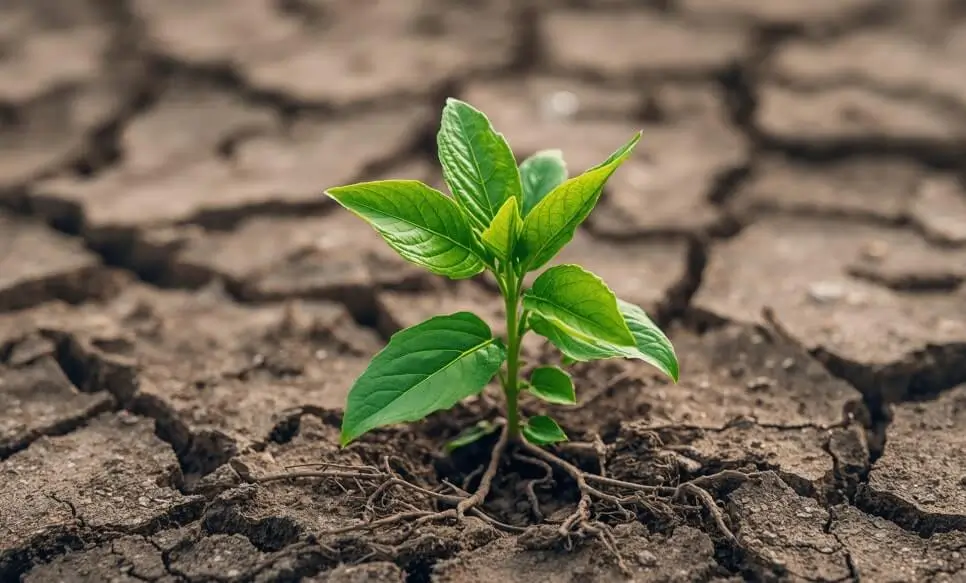
Reusing potting soil may seem like a smart and sustainable choice, but it can often lead to unexpected problems for container-grown fruit plants. Over time, soil loses nutrients, becomes compacted, and may harbor pests, diseases, or harmful salt buildup. These issues can stunt growth, reduce yields, and even damage plant health. Understanding how reused soil affects your plants—and knowing how to properly refresh, treat, or replace it—can make the difference between struggling containers and thriving fruit trees.
Why Reused Soil Causing Plant Issues Matters in Container Fruit Gardening
Container fruit gardening is different from growing in the ground. Roots can’t search for nutrients or escape compacted zones. Everything your tree needs—air, water, nutrients, beneficial microbes—must come from a limited volume of soil.
When potting mix is reused without preparation, several problems compound:
- Nutrient depletion – Previous plants removed key elements like nitrogen, potassium, and micronutrients.
- Salt buildup – Leftover fertilizer salts concentrate in containers and burn roots.
- Compaction – Broken-down organic matter reduces air pockets, suffocating roots.
- Pathogens & pests – Disease spores, fungus gnats, and root-rot organisms can survive between seasons.
- pH imbalance – Soil chemistry drifts, locking nutrients out even if they’re present.
For fruit trees in pots—citrus, figs, berries, dwarf apples—these issues reduce flowering, fruit set, and overall vigor. Understanding them is the first step to fixing reused soil properly.
Signs That Reused Soil Is Causing Plant Problems
Before fixing anything, confirm that soil is the culprit. Common symptoms include:
- Slow or stunted growth despite regular watering
- Pale leaves, interveinal yellowing, or purple tints
- Wilting even when soil appears moist
- White crust on soil surface (salt accumulation)
- Foul smell from the pot (anaerobic conditions)
- Increased pests like fungus gnats
If these symptoms appear shortly after repotting into old soil, reused soil causing plant issues is very likely.
Step-by-Step Solutions to Safely Reuse Potting Soil
Step 1: Inspect and Sort Old Soil
Not all reused soil is equal. Start by removing:
- Thick, woody roots
- Diseased plant debris
- Clumps that smell sour or rotten
Discard soil immediately if the previous plant had severe disease, especially root rot or wilt. Reusing that soil risks infecting new plants.
Step 2: Recondition Soil Structure
Over time, potting mix collapses. To restore airflow and drainage:
- Mix 40–50% fresh components into old soil:
- Coco coir or peat moss (water retention)
- Perlite or pumice (aeration)
- Pine bark fines (structure and drainage)
Break up clumps thoroughly. The goal is a light, crumbly texture that drains freely but holds moisture.
Step 3: Flush Out Excess Salts
Salt buildup is one of the most common hidden causes of reused soil problems.
How to flush old soil:
- Place soil in a container with drainage holes.
- Slowly run clean water through it for several minutes.
- Let it drain completely before reuse.
This simple step prevents fertilizer burn—especially important if you’ve previously struggled with leaf scorch or sudden dieback. If this sounds familiar, review the guide on fertilizer burn in potted fruit trees for deeper prevention strategies.
Step 4: Rebuild Nutrients (Don’t Guess)
Old soil is nutritionally empty. Instead of random feeding:
- Add finished compost or worm castings (10–20%)
- Use a slow-release organic fertilizer formulated for fruit trees
- Supplement with balanced liquid feed after planting
For targeted issues like pale leaves or poor flowering, it helps to understand nutrient deficiency in potted fruit trees, since reused soil often lacks micronutrients even when NPK seems adequate.
Step 5: Restore Beneficial Microbes
Healthy soil biology protects roots and improves nutrient uptake.
Options include:
- Compost tea (aerated, not anaerobic)
- Mycorrhizal inoculants at planting
- High-quality vermicompost
Avoid sterile, lifeless mixes—fruit trees thrive with active microbial partners.
Step 6: Check and Adjust Soil pH
Reused soil can drift acidic or alkaline. Most container fruit trees prefer slightly acidic to neutral soil (pH 6.0–6.8).
- Use an inexpensive pH meter or test strips
- Adjust gently with garden lime (to raise pH) or elemental sulfur (to lower)
pH imbalance often mimics nutrient deficiency symptoms, leading gardeners to overfertilize unnecessarily.
When You Should NOT Reuse Potting Soil
Sometimes reuse isn’t worth the risk. Replace soil completely if:
- The previous plant died from disease
- Soil smells rotten or stays soggy for days
- Compaction returns immediately after watering
- You’re planting a long-term fruit tree (3+ years in the same pot)
In these cases, fresh soil protects your investment and saves frustration.
Common Beginner Mistakes With Reused Soil
1. Mixing Old and New Soil Without Amendments
Simply blending doesn’t fix compaction or nutrient imbalance.
2. Over-Fertilizing to “Fix” Weak Growth
This often causes salt burn and worsens root damage. If you’ve faced this, revisit overfertilizing fruit trees in containers to avoid repeating the cycle.
3. Reusing Soil From Sick Plants
Pathogens don’t disappear on their own.
4. Ignoring Drainage
Even good soil fails in pots without drainage holes.
5. Reusing Soil Too Many Times
After 2–3 cycles, structure breakdown makes replacement the better option.
Tools, Soil Mixes, and Container Tips That Make Reused Soil Work
Best Containers for Reused Soil
- Fabric grow bags (improve aeration)
- Plastic pots with multiple drainage holes
- Avoid shallow containers for fruit trees
Helpful Tools
- Hand soil sieve (remove debris)
- pH meter
- Moisture meter (prevents overwatering)
- Measuring scoop for amendments
Ideal DIY Refreshed Soil Mix
- 50% old potting soil
- 25% coco coir or peat
- 15% perlite or pumice
- 10% compost or worm castings
This blend balances sustainability with performance.
FAQ: Reused Soil Causing Plant Issues
Can I reuse potting soil for fruit trees every year?
You can, but it must be reconditioned each time. After 2–3 seasons, replacement is usually better for long-term container fruit trees.
Is it safe to reuse soil from vegetables for fruit trees?
Yes, if the vegetables were healthy and the soil is refreshed, flushed, and amended properly.
How do I sterilize reused soil?
For high-risk situations, solarization (sealing moist soil in clear plastic under full sun for 4–6 weeks) can reduce pathogens—but it also kills beneficial microbes.
Why do plants struggle even after adding fertilizer to old soil?
Compaction, salt buildup, or pH imbalance can block nutrient uptake. Fertilizer alone doesn’t fix soil structure problems.
Can reused soil cause pests?
Yes. Fungus gnats and soil-borne insects often overwinter in old potting mix.
Conclusion: Turn Problem Soil Into Productive Soil
Reused soil causing plant issues is common—but completely preventable. With proper inspection, flushing, structural amendments, and balanced nutrition, old potting mix can support healthy container fruit trees again. The key is understanding that soil is a living system, not just dirt in a pot.
Next steps:
Assess your existing containers today. Refresh soil before planting, correct drainage issues, and feed intentionally—not reactively. By doing this, you’ll grow stronger roots, healthier foliage, and more reliable harvests while saving money and reducing waste.