
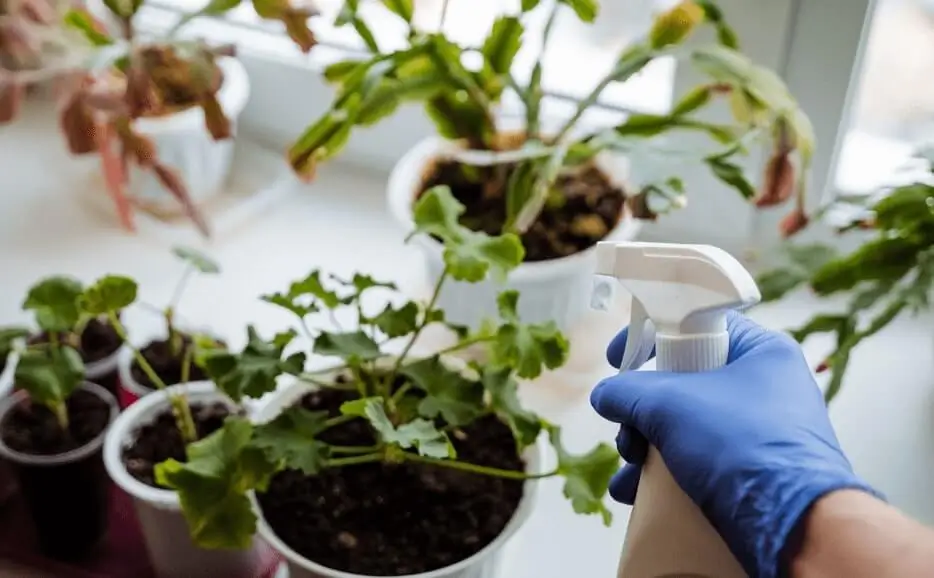
Bringing new fruit plants into your container garden is exciting, but it also comes with hidden risks. Many plants carry unseen pests, fungal spores, or diseases that can quickly spread and damage your entire setup. Without proper precautions, one new addition can undo months of careful care. This guide explains how to quarantine new fruit plants effectively, helping you protect your container orchard and keep your plants healthy from day one.
Why Quarantine Matters for Container Fruit Gardening
In container fruit gardening — especially when growing in small spaces like balconies, patios, or rooftops — plant health is everything. Unlike in-ground gardens where pests and diseases may disperse over a wider area, potted plants live in close proximity to each other. This makes them more vulnerable to infestations and disease spread.
Quarantining new plants protects your mini orchard by:
- Stopping pests before they spread — insects like aphids and scale can hitchhike on new plants.
- Reducing disease risk — fungal spores or viral infections might not show immediately at the nursery.
- Helping plants adjust — moving from a greenhouse to your home environment is stressful for young fruit plants.
By isolating and observing new arrivals, you give yourself a chance to catch problems early and keep the rest of your fruit garden healthy and productive. (growfruitly.com)
How to Quarantine New Fruit Plants: A Step-by-Step Guide
Here’s a practical process you can follow the moment a new fruit plant arrives:
1. Choose a Separate Quarantine Spot
Set up a dedicated area off to the side — a spare balcony corner, unused patio space, or even indoors near a sunny window works well. The goal is to avoid placing the new plant near your existing containers until it’s cleared.
2. Inspect for Pests and Disease
Carefully check the leaves, stems, and soil for signs of:
- Spider mites, aphids, or scale insects
- Sticky residue or honeydew
- Discolored, wilting, or malformed leaves
- Spots or powdery mildew
Use a magnifying glass if necessary — early infestations can be tiny but destructive.
3. Treat Immediately If Needed
If you spot pests or suspect disease, treat before expanding your garden. Safe treatments include:
- Neem oil sprays
- Insecticidal soap
- Manual removal of pests with water or cloth
Never skip this step — pests spread fast in container gardens because pots are close together.
4. Monitor for 7–14 Days
Keep the new plant apart and watch it daily. This gives time to spot:
- Delayed pest emergence
- Signs of transplant shock
- Poor light or watering responses
During this period, you’re also helping the plant acclimate to your climate and light conditions.
5. Acclimate to Your Garden Conditions
Gradually expose the plant to your typical garden environment, including sunlight, wind, and temperature changes. This is especially important if your new plant came from an indoor greenhouse setting.
Common Quarantine Mistakes Beginners Make
Avoid these pitfalls to ensure your quarantine process does more good than harm:
❌ Ignoring Light and Temperature Needs
Not all fruit plants have the same preferences. Citrus, berries, and figs have different light and heat requirements. Before quarantine begins, make sure the location you choose provides adequate conditions.
❌ Rushing Back Into Your Garden
Plants that are placed with the rest too soon may introduce pests or diseases before symptoms appear. Wait the full 1–2 weeks unless you’re 100% confident the plant is healthy.
❌ Forgetting Soil Inspection
Problems can begin below the surface. Check soil moisture levels — too wet or too dry — as this often leads to early pathogen problems or root rot.
❌ Overwatering During Quarantine
New plants often receive too much water from anxious growers. Instead, water based on soil moisture — never on a schedule alone. This practice aligns with proper container fruit care protocols that prevent root issues.
Essential Tools and Tips for a Smooth Quarantine
Helping your new fruit plants settle in requires smart tools and techniques. Here’s what works:
🪴 Good Quality Potting Mix
If the plant arrived in nursery soil that looks dense or poor in structure, consider repotting into a lighter, well-draining mix. A custom mix with compost, perlite, and coco coir aids root health — the foundation for strong quarantine success.
For deeper dives into potting and soil, see our guide on the best soil mix for potted fruit trees. (growfruitly.com)
🌞 Proper Container Size
Containers that are too small can stress roots and make quarantine less effective. Make sure your quarantine pot — whether temporary or final — offers enough room for growth.
Understanding how deep and large your containers should be can significantly boost your success. Check out our article on how deep containers should be for fruit trees. (growfruitly.com)
🧪 Plant Health Test
If you’re serious about quarantine, tools like a magnifier, soft brushes, and a journal for daily notes are inexpensive but powerful. Record pest sightings, leaf changes, and watering patterns.
How Quarantine Fits Into Your Container Gardening Routine
Once your plant clears quarantine, it doesn’t mean vigilance ends. Healthy practices like regular watering checks, seasonal care, and pest monitoring help ensure lasting success. Quarantine simply gives you a head start.
If you’re expanding your edible garden, the quarantine process works hand-in-hand with broader container fruit gardening strategies. For example, our container fruit gardening guide offers deeper insight into choosing plants and maintaining them throughout the seasons. (growfruitly.com)
FAQ: Quarantine Tips for New Fruit Plants
Q1: How long should I quarantine a new fruit plant?
Most experienced gardeners recommend 7–14 days. This window lets common pests and symptoms show up before they spread.
Q2: Can quarantine help stressed or weak plants?
Yes. Isolating plants gives you the chance to tailor light, water, and temperature while avoiding added pressure from nearby plants.
Q3: Should I repot immediately during quarantine?
Only if the nursery soil is poor or if repotting helps treat or prevent pest issues. Otherwise, wait until the plant settles.
Q4: What’s the biggest quarantine mistake?
Moving the plant back into your garden too quickly without proper inspection and monitoring is the top beginner error.
Q5: Can quarantine prevent all diseases?
No, but it significantly reduces the risk by letting you catch and treat problems early.
Conclusion: Protect Your Garden With Smart Quarantine Practices
Quarantining new fruit plants isn’t an extra chore — it’s a protective strategy that keeps your entire container garden healthy. By inspecting, treating, and monitoring before integrating new arrivals, you safeguard your investment in time, soil, and space. Start with a good quarantine spot, use the right tools, and stay observant for symptoms. With these steps in place, your container orchard — whether berries, citrus, or figs — will have the best chance of thriving from day one.
Next steps: Choose your quarantine location, gather basic inspection tools, and plan a 7–14 day monitoring routine before adding new plants to your edible garden. Your future harvest depends on it!