
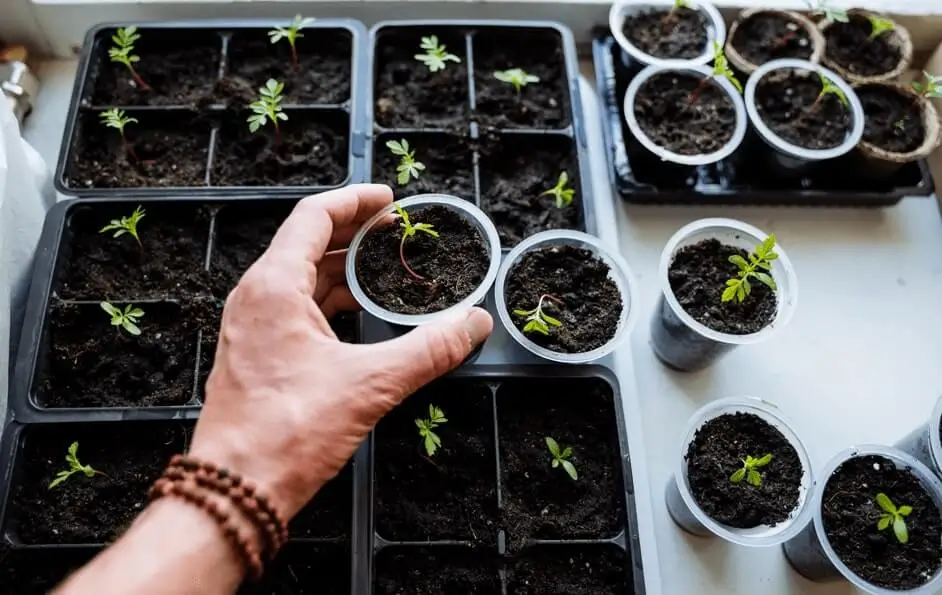
Container fruit gardening is one of the easiest and most rewarding ways to grow fresh, delicious fruit at home, even if you have limited space. Whether you live in an apartment with a small balcony, a house with a tiny patio, or simply want a more manageable gardening setup, growing fruit in containers makes it possible to enjoy homegrown harvests almost anywhere.
Many beginners assume fruit gardening requires a large backyard or years of experience, but container gardening proves otherwise. With the right pots, quality soil, proper watering, and beginner-friendly fruit plants, you can successfully grow strawberries, blueberries, citrus trees, figs, and many other fruits in containers.
This complete beginner’s guide will walk you through everything you need to know about starting a container fruit garden. You’ll learn how to choose the best containers, select suitable fruit varieties, care for your plants, and avoid common mistakes that beginners often make. By the end of this guide, you’ll have the confidence to create a thriving small-space fruit garden and enjoy fresh fruit straight from your own home.
🌿 What Is Container Fruit Gardening?
Container fruit gardening means growing fruit-bearing plants in pots, tubs, or raised planters instead of the ground.
Benefits of Growing Fruits in Containers
- Ideal for balconies, patios, and compact gardens
- Easier to manage pests and soil conditions
- Portable — you can move plants for optimal sunlight
- Perfect for both beginners and experienced gardeners
If you want to go further, see how others grow an abundant mini orchard in pots to maximize harvests even in tight spaces.
🪴 Choosing the Right Containers
The container you choose will directly affect your plant’s health and fruit yield.
Popular Container Materials
- Plastic: Lightweight, retains moisture
- Terracotta: Breathable, ideal for warm climates
- Fabric grow bags: Great for aeration and drainage
- Wooden planters: Aesthetic, but need waterproof liners
🌟 Want inspiration? Check out creative fruit container ideas for stylish and space-efficient setups.
Container Size
- Strawberries → 10–12 inches deep
- Dwarf citrus or fig trees → 18–24 inches deep
- Always include drainage holes to avoid root rot
🍓 Selecting Fruits That Thrive in Containers
Choose plants that adapt well to confined root systems. For guidance, see best fruits for container gardening.
Top Fruits for Beginners
- Strawberries: Fast-growing and perfect for small pots
- Blueberries: Need acidic soil and full sun
- Dwarf citrus trees: Compact, fragrant, and productive
- Figs: Great for warm patios
- Tomatoes: Technically fruit — thrive in containers
For step-by-step care instructions, dive deeper into growing dwarf fruit trees in pots to master the art of high yields in small spaces.
🌱 The Best Soil and Fertilizer Mix
Healthy roots depend on well-drained, nutrient-rich soil. Avoid dense garden soil.
Recommended Mix
- 40% potting mix
- 30% compost
- 20% perlite or coco coir
- 10% organic fertilizer
For additional insight into choosing the right medium, read fruit plants for containers — a detailed guide on optimizing potting soil and plant health.
☀️ Light, Temperature, and Placement
Sunlight plays a key role in fruit production.
- Most fruits need 6–8 hours of direct sunlight daily.
- Rotate containers weekly to ensure even exposure.
- Protect pots from strong winds using screens or railings.
- Move indoors or under shelter during cold weather.
💧 Watering and Feeding Schedule
Container plants depend entirely on consistent watering.
Tips for Success
- Water when the top inch of soil is dry
- Avoid waterlogging
- Use liquid seaweed extract every 2 weeks during fruiting season
✂️ Maintenance and Pruning
Pruning is essential to maintain shape and productivity.
Quick Guide
- Remove dead or diseased growth
- Pinch off excess flowers
- Prune dwarf trees after harvest
- Train vining plants with stakes or trellises
🐛 Managing Pests and Diseases
While container gardens are easier to manage, pests can still strike.
Common Issues
- Aphids, whiteflies, and spider mites
- Overwatering → root rot
Use neem oil sprays, soap solutions, or companion plants (like marigolds) to deter insects naturally.
🍎 Harvesting and Aftercare
When to Harvest
- Fruits should be fully colored and firm
- Citrus should detach easily with a gentle twist
Aftercare
- Prune lightly
- Add compost and refresh mulch
- Rotate containers for new growth cycles
⚠️ Common Mistakes to Avoid
- Overcrowding multiple plants in one pot
- Ignoring drainage
- Using heavy garden soil
- Forgetting regular pruning or pest checks
Avoid these to keep your container fruit garden thriving.
❓ FAQs About Container Fruit Gardening
Q: What fruits are easiest for beginners?
A: Try strawberries, blueberries, or dwarf citrus.
Q: Can I grow fruit indoors?
A: Yes — use grow lights and temperature control.
Q: How soon will I get fruit?
A: Within 1–2 years for most container-grown trees.
🌻 Final Thoughts
Starting a container fruit garden is one of the most rewarding ways to grow your own food. With patience and the right techniques, you can harvest sweet, homegrown fruits no matter how little space you have.
Take inspiration from fruit gardening in small spaces and start your own balcony orchard today!