
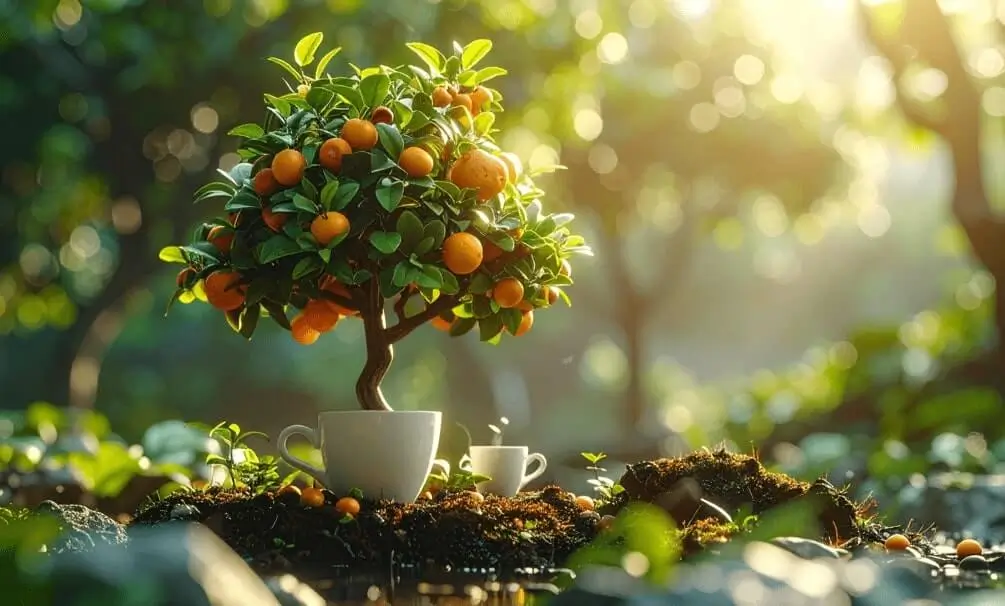
Feeding potted fruit trees the right nutrients is the secret to healthy growth, lush foliage, and delicious harvests. Unlike trees planted in the ground, container fruit trees rely completely on the nutrients available in their pots, which means regular feeding is essential. Whether you’re growing citrus, figs, apples, or berries in containers, understanding when and how to fertilize can dramatically improve fruit production and plant health. In this guide, you’ll learn the best methods, fertilizers, and feeding schedules to keep your potted fruit trees thriving year-round.
🌱 Why Feeding Is Crucial for Potted Fruit Trees
Container-grown trees can’t access nutrients beyond their pot. Over time, frequent watering leaches minerals away, leaving the soil exhausted. Without regular feeding, your trees may produce fewer fruits or suffer from yellowing leaves and stunted growth.
For a full overview of ideal tree types, check out dwarf fruit trees in pots and how to grow big harvests in small spaces. These smaller varieties are perfectly suited to containers and respond well to consistent feeding routines.
You can also discover more about which fruits thrive best in containers in this guide to the best fruits for container gardening.
🪴 Choosing the Right Soil Mix for Nutrient Retention
The soil mix in a pot is the foundation of your tree’s health. A good mix must provide drainage while retaining enough moisture and nutrients.
Recommended potting blend:
- 40% organic compost or peat-free potting soil
- 40% loam or high-quality topsoil
- 20% perlite or coarse sand for aeration
- A handful of slow-release fertilizer granules
For additional inspiration on container arrangements, visit 25 creative fruit container ideas to see how gardeners combine aesthetics with productivity.
🌼 Understanding Fertilizer Types
1. Organic Fertilizers
Organic fertilizers build long-term soil health and encourage beneficial microbes. Common options include:
- Compost tea
- Seaweed extract
- Comfrey tea
- Worm castings
2. Synthetic Fertilizers
Use a balanced NPK fertilizer (10-10-10) during the active growing season for quick results. Alternate synthetic feeding with organic supplements to prevent soil fatigue.
If you’re new to container orchards, the resource on fruit plants for containers gives practical insight into feeding different species.
🌸 When and How Often to Feed Potted Fruit Trees
A structured feeding schedule keeps your container orchard productive all year:
- Spring: Apply slow-release fertilizer as buds appear.
- Summer: Feed every 2–3 weeks with liquid seaweed or tomato feed.
- Autumn: Switch to organic compost or potash-based fertilizer.
- Winter: Pause feeding during dormancy.
Consistent feeding promotes lush foliage, strong roots, and sweeter fruit flavor.
💧 How to Apply Fertilizer Properly
Correct technique prevents fertilizer burn and improves absorption:
- Water before applying feed
- Dilute liquid fertilizers to half strength
- Spread granular feed evenly on top of the soil
- Always mulch to reduce nutrient loss
Mulching also stabilizes soil temperature and moisture levels.
🍋 Feeding by Fruit Type
Fruit TypeBest FeedFrequency
Citrus High-nitrogen, slow-release fertilizer Monthly
Apples/Pears Balanced NPK 10-10-10 Every 6 weeks
Peaches/Plums High-potassium feed Fortnightly
Figs Moderate, organic fertilizer Bi-monthly
These guidelines ensure your container fruit garden stays healthy and productive.
📆 Seasonal Feeding Calendar
MonthFocusNotes
March–April Bud and leaf growth. Apply slow-release feed
May–June Active fruiting Liquid feeds every 2–3 weeks
July–August Sustain fruiting, High potassium (tomato feed)
September–October Root health Switch to compost or potash
Winter months: Rest period, no feeding
This aligns with what you’ll find in fruit gardening in small spaces, an ideal reference for managing compact container setups.
⚠️ Common Feeding Mistakes
Avoid these common errors:
- Overfertilizing (causes root burn)
- Feeding during dormancy
- Using too much nitrogen (reduces fruiting)
- Ignoring soil pH balance (aim for 6.0–6.5)
Regularly testing soil ensures your feed remains balanced.
🌻 DIY Organic Feeding Recipes
- Banana Peel Fertilizer: Adds potassium for flowering and fruiting.
- Eggshell Powder: Boosts calcium for a strong cell structure.
- Comfrey Tea: Natural potassium source.
- Compost Tea: Maintains soil vitality.
Organic feeding supports sustainable fruit production and enriches soil ecology.
🌳 Long-Term Nutrient Management & Repotting
Every 2–3 years, refresh your container soil to prevent compaction and nutrient depletion:
- Replace the top 3–4 inches of old compost each spring.
- Repot every few years into a slightly larger pot.
- Mix in organic matter and slow-release feed.
This approach ensures continued growth and abundant harvests.
🍏 Troubleshooting Nutrient Deficiencies
SymptomDeficiencyRemedy
Yellow leaves: Nitrogen. Apply compost or fish emulsion
Poor flowering, Phosphorus. Add bone meal
Leaf edges curl. Potassium Use seaweed feed
Weak fruiting, General imbalance, Balanced organic fertilizer
🌺 Conclusion
Feeding potted fruit trees properly ensures strong roots, vibrant foliage, and delicious fruit year after year. Combine organic feeds, proper watering, and seasonal mulching to keep your mini orchard flourishing.
If you want to explore companion guides, check out:
- Best fruits for container gardening
- Dwarf fruit trees in pots: The complete guide
Your patio or balcony can become a productive paradise with just a few pots and the right feeding strategy. 🌸