
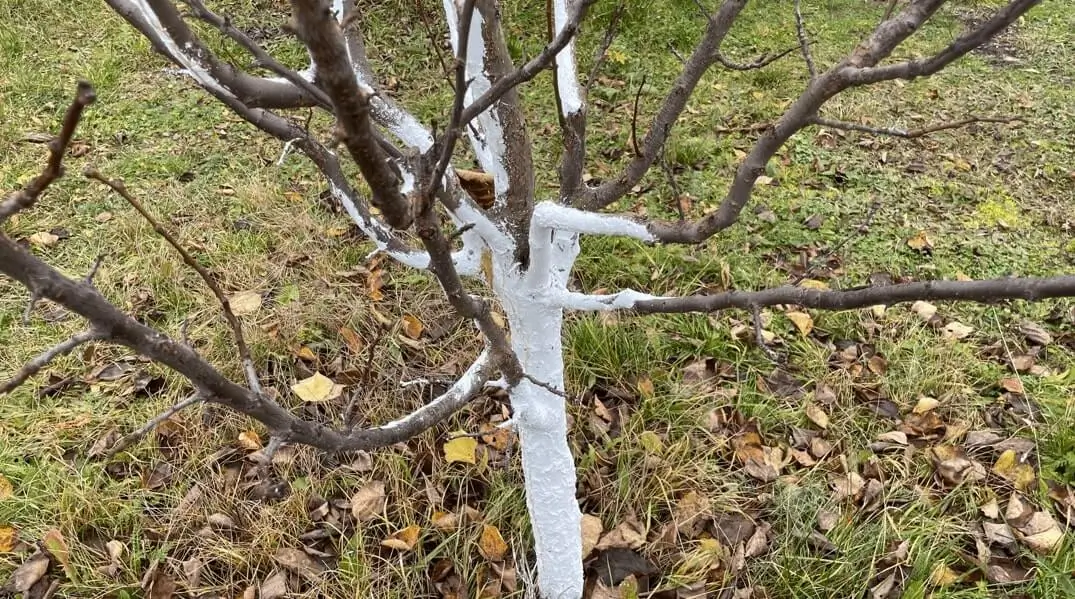
Frost damage can seriously impact container fruit trees, especially during sudden temperature drops in colder seasons. Because potted trees have more exposed root systems and less insulation than those planted in the ground, they are far more vulnerable to freezing conditions. Understanding how frost affects your trees—and knowing the right steps to protect, treat, and prevent cold injury—can make the difference between a thriving plant and one that struggles to recover. In this guide, you’ll learn practical strategies to safeguard your container fruit trees from frost and keep them healthy year-round.
Why Frost Damage Matters for Container Fruit Gardening
Container fruit trees behave very differently from trees planted in the ground. Understanding why helps you protect them more effectively.
Containers Expose Roots to Freezing Temperatures
In-ground soil insulates roots naturally. Containers do not. Cold air surrounds the pot on all sides, allowing frost to penetrate the root zone quickly. Once roots freeze:
- Water uptake stops
- Nutrient absorption shuts down
- Roots may die permanently
This is why even cold-hardy fruit trees can suffer frost damage when grown in pots.
Frost Can Destroy Flowers and Future Harvests
Spring frosts are especially dangerous. Even if the tree survives, frost can:
- Kill flower buds overnight
- Damage newly formed fruit
- Reduce yields for the entire season
If you’ve struggled with poor flowering before, this guide on why fruit trees fail to bloom properly can help you understand how cold stress fits into the bigger picture.
Container Trees Break Dormancy Earlier
Potted fruit trees warm up faster than ground-planted trees. This often causes early bud break — making them extremely vulnerable to late frosts. Once buds swell, cold damage becomes much more severe.
Signs of Frost Damage in Container Fruit Trees
Identifying frost damage early allows you to respond correctly and avoid making things worse.
Common Symptoms
- Blackened or brown leaves that curl or drop
- Soft, water-soaked leaf tissue
- Cracked or peeling bark
- Wilting despite moist soil
- Buds that dry out and fall
Leaf damage alone doesn’t always mean the tree is dead. Root damage is more serious and often hidden.
Delayed Symptoms (Days or Weeks Later)
- No new growth in spring
- Dieback at branch tips
- Weak flowering
- Sudden collapse after warm weather returns
If your tree looks stressed after winter, it may still be suffering from earlier frost injury.
Step-by-Step: How to Protect Container Fruit Trees from Frost
Step 1: Choose the Right Location
Before frost season begins, move containers to:
- South-facing walls (radiated heat at night)
- Sheltered corners protected from wind
- Under balconies, pergolas, or roof overhangs
Avoid open, windy areas where cold air pools.
Step 2: Insulate the Container (Critical)
The pot is the most vulnerable part of the tree.
Effective insulation methods:
- Wrap pots with burlap, bubble wrap, or old blankets
- Place containers inside larger empty pots filled with straw
- Elevate pots slightly to prevent cold transfer from frozen ground
If you’re unsure whether your container offers enough protection, this guide on choosing the right pot size and material for fruit trees explains which containers perform best in cold conditions.
Step 3: Protect the Canopy
When frost is forecast:
- Cover trees with frost cloth, garden fleece, or breathable fabric
- Avoid plastic touching leaves (causes freeze burn)
- Secure coverings to trap ground heat
Remove covers during the day to prevent overheating.
Step 4: Water Before Frost (But Don’t Overdo It)
Moist soil holds heat better than dry soil.
- Water the tree lightly during the day before frost
- Avoid waterlogged soil, which increases root damage
Step 5: Move Trees Indoors When Necessary
For tender fruit trees (citrus, avocado, mango):
- Move containers into garages, sunrooms, or bright hallways
- Ensure temperatures stay above freezing
- Provide light if kept indoors for more than a few days
If indoor space is limited, rotating trees during cold nights works surprisingly well.
What to Do After Frost Damage Occurs
Many gardeners panic and prune immediately — this is a mistake.
Step 1: Do Nothing Immediately
Wait until temperatures stabilize.
- Damaged leaves may protect healthy tissue beneath
- Early pruning exposes new growth to more frost
Step 2: Check for Life
Scratch the bark gently:
- Green = alive
- Brown/dry = dead
Start from the tips and work downward.
Step 3: Prune in Spring, Not Winter
Once growth resumes:
- Remove dead wood back to healthy tissue
- Disinfect tools between cuts
- Avoid heavy pruning that stresses recovery
Step 4: Support Recovery Gently
- Resume normal watering gradually
- Avoid fertilizing until new growth appears
- Protect from strong sun while regrowth is tender
If your tree also experienced heat stress later in the season, recovery may take longer than expected.
Common Mistakes Beginners Make
Leaving Containers Outdoors “Just One More Night”
Many frost injuries happen because gardeners underestimate overnight temperature drops. Cold damage often occurs before frost is visible.
Using Plastic Covers Incorrectly
Plastic traps moisture and freezes leaves on contact. Always use breathable fabric or add spacers.
Overwatering During Cold Weather
Cold + wet soil = root rot + frost damage. Drainage is just as important in winter as in summer.
Fertilizing Too Early After Frost
This forces weak growth that dies again with the next cold snap.
Tools, Containers, and Care Tips for Frost Protection
Best Container Materials for Cold Protection
- Thick plastic: good insulation, lightweight
- Wood: moderate insulation, breathable
- Ceramic (thick): stable but heavy
- Avoid thin metal pots in cold climates
Helpful Frost Protection Tools
- Frost cloth or garden fleece
- Mulch (straw, bark chips)
- Rolling plant stands
- Thermometer near pots
If you grow fruit trees in challenging light conditions, pairing frost protection with smart placement strategies for low-sun balconies can dramatically improve winter survival.
FAQ: Frost Damage in Container Fruit Trees
Can container fruit trees recover from frost damage?
Yes. If roots remain alive, most trees recover with proper spring care and patience.
At what temperature should I protect potted fruit trees?
Protection is recommended when temperatures drop below 40°F (4°C), especially for tender species.
Should I bring fruit trees indoors every winter?
Only frost-sensitive trees need full indoor protection. Hardy varieties often do better outdoors with insulation.
Does mulch really help prevent frost damage?
Yes. Mulch insulates roots and slows temperature fluctuations inside containers.
Is frost damage worse than heat stress?
Both are harmful, but frost damage often affects roots directly, making recovery slower.
Conclusion: Protect Now, Harvest Later
Frost damage in container fruit trees is one of the biggest hidden threats to small-space gardeners — but it’s also one of the easiest to prevent. By insulating pots, choosing sheltered locations, protecting canopies, and avoiding common mistakes, you can dramatically reduce winter losses and protect next season’s harvest.
Start preparing before frost arrives, not after damage appears. Inspect your containers, gather protective materials, and plan where trees will go on cold nights. With these steps, your potted fruit trees won’t just survive winter — they’ll thrive when spring returns.