
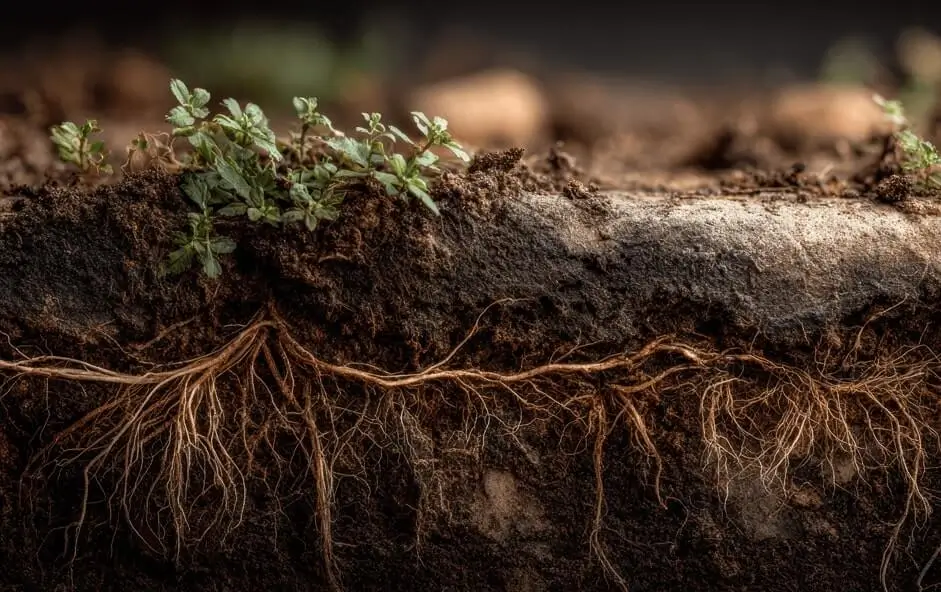
Soil temperature stress on roots is a common but often overlooked issue in container fruit gardening. When potting soil becomes too hot in summer or too cold in winter, root systems struggle to function properly, leading to reduced nutrient uptake, poor growth, and weakened plants. Understanding how soil temperature affects roots—and how to manage it effectively—can make a significant difference in the health and productivity of your container fruit plants.
Why Soil Temperature Stress on Roots Matters for Container Fruit Gardening
Healthy roots are the foundation of productive fruit plants — and temperature is one of the most critical factors influencing root health:
- Roots work best in moderate soil temperatures. Too cold and root activity slows; too hot and roots can suffocate from lack of oxygen, leading to poor water uptake and nutrient imbalances.
- Containers heat up faster than ground beds. Unlike in-ground gardens where soil temperature changes slowly, pots can heat rapidly in sun and cool quickly at night. This intensified fluctuation creates stress on roots that are less buffered against climate extremes.
- Stress reduces growth and fruiting. When roots struggle due to temperature extremes, leaves may yellow, flowering may fail, and fruit production drops. This is especially common in summer’s heat or spring’s late frosts.
Because container gardening already limits root space and exposes roots to environmental swings, understanding how soil temperature impacts roots is essential for success — especially on sunny balconies or patios. (growfruitly.com)
How Soil Temperature Affects Root Function
Roots are more than anchor systems; they:
- Absorb water and nutrients, which slows if the soil is too cold or too hot.
- Breathe oxygen, but warm, wet soils can reduce available oxygen and suffocate roots.
- Encourage beneficial soil microbes, which operate best within a moderate temperature range.
When temperatures fall outside the “comfort zone” for roots, you may notice:
- Slow growth
- Leaf wilting or drop
- Poor fruit set or weak harvests
- Root rot in overheated, soggy soil
In containers, these issues show up faster because the confined root environment doesn’t buffer temperature changes as well as in-ground soil. (Southern Living)
Best Practices to Prevent Soil Temperature Stress
1. Choose the Right Containers
The type and size of container affects soil temperature significantly:
- Larger containers buffer temperature swings better than small pots because they hold more soil mass.
- Light-colored or insulating materials (like glazed ceramic or wood barrels) reflect light and heat, reducing soil overheating.
- Thin plastic or dark pots can heat up quickly in hot sun and transfer heat to roots.
Aim for pots that give roots room to breathe and resist extreme swings — and avoid overly shallow containers for fruit trees. For more on container choice, see our guide on how deep containers should be for fruit trees in pots. (growfruitly.com)
2. Manage Sun Exposure Strategically
Fruit plants need strong light, but:
- In hottest climates or mid-summer, morning sun with afternoon shade helps keep the soil cooler.
- Move pots into dappled shade during peak heat or use shade cloth over containers.
- Position containers where they benefit from airflow — moving air reduces soil heat build-up.
Even simple placement adjustments can make a big difference in daily soil temperature fluctuations.
3. Improve Soil Structure and Insulation
Soil mix matters:
- Rich, well-draining mixes retain moisture without becoming soggy.
- Amend with perlite or pumice to improve aeration and reduce heat stress on roots.
- Mulching the soil surface with organic material (e.g., bark chips) helps regulate soil temperature and moisture.
Good soil structure not only feeds roots but protects them from sudden temperature spikes.
4. Irrigation Timing and Technique
Correct watering helps both moisture balance and soil temperature:
- Water early in the morning so water cools and moves down to roots before midday heat.
- Avoid watering in midday sun — this can heat soil further and stress roots.
- Moist soil conducts heat slower than dry soil, so consistent moisture reduces extremes.
Following a watering schedule for potted fruit trees can be a big help for temperature control. (growfruitly.com)
Common Mistakes Beginners Make Around Soil Temperature
Mistake 1: Using Too Small Containers
Small pots heat and cool rapidly, causing greater swings in soil temperature and stressing roots. Always choose a container appropriate to the plant’s mature size. (growfruitly.com)
Mistake 2: Ignoring Mulch
Skipping mulch leaves soil surface exposed to direct sun — a quick way to heat roots. Cover the soil to insulate and conserve moisture.
Mistake 3: Constant High Heat Exposure
Leaving containers under full, hot sun all day without shade adaptation can cook roots and stunt growth.
Mistake 4: Watering Only When Soil Looks Dry on Top
Only judging dryness at the soil surface can miss deeper moisture needs — and deep moisture helps regulate soil heat.
Practical Tools & Tips to Monitor and Adjust Soil Temperature
- Soil thermometers help you track real soil temperatures directly at root level.
- Mulch and shade cloth act as buffer systems against sudden heat and cold.
- Self-watering containers and drip irrigation deliver consistent moisture, which mitigates heat spikes.
- Container placement rotation (morning sun to afternoon shade) balances light and temperature.
Giving roots a consistent environment is one of the best things you can do for fruiting success.
FAQ: Soil Temperature Stress on Roots
Q1: What soil temperature is ideal for fruit tree roots in containers?
Most temperate fruit tree roots prefer moderate soil temperatures between about 60–75°F (15–24°C). Extremes outside this range can slow growth or stress roots.
Q2: How can I tell if soil temperature is harming my roots?
Signs include wilting, slow growth, reduced fruiting, and leaves that look water-stressed despite watering.
Q3: Does soil temperature matter more in summer or winter?
Both seasons matter: high soil heat in summer can cook roots, while cold soil in spring/fall slows nutrient uptake and delays growth.
Q4: Should I move containers indoors during heatwaves?
Yes — during extreme temperatures, temporary shade or indoor placement can protect roots.
Q5: Does soil type affect temperature stress?
Absolutely — loose, well-draining mixes with good organic content buffer temperature swings better than heavy, compacted soils.
Q6: Can mulch really lower soil temperature?
Yes, mulch insulates soil from direct sun and reduces heat gain during the day.
Conclusion: Protect Roots, Grow Better Fruit
Soil temperature stress on roots is one of the most overlooked challenges for container fruit gardeners — but it’s also one of the most manageable. By choosing the right containers, optimizing soil structure, managing shade and watering, and avoiding common mistakes, you can provide a stable root environment that supports vigorous growth and abundant fruit.
Start by assessing your pot placement and soil mix, then adjust watering and insulation to protect roots from the extremes of heat and cold. With these practical steps, your container fruit garden will thrive — even in small spaces and warm climates.