
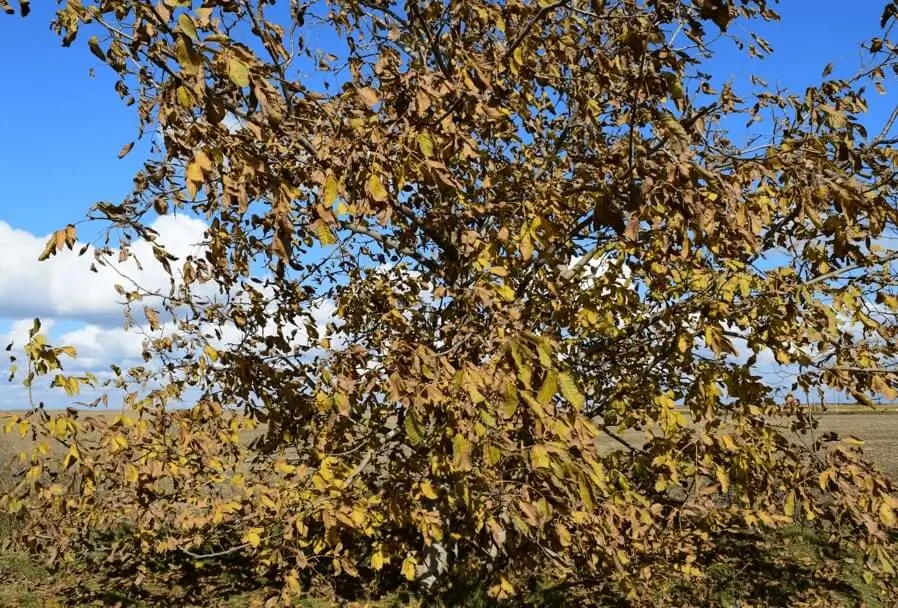
Seeing your fruit trees drop leaves in winter can feel alarming—especially if you’re growing them in containers. However, not all leaf loss is a bad sign. In many cases, it’s a natural process tied to seasonal changes. The key is knowing the difference between normal dormancy and warning signs of stress or disease. In this guide, you’ll learn why fruit trees lose leaves in winter, when it’s perfectly normal, when to worry, and how to protect your trees so they come back strong in spring.
Why Fruit Trees Losing Leaves in Winter Matters for Container Gardeners
Fruit trees grown in the ground and those grown in containers experience winter very differently. When fruit trees are losing leaves in winter, container gardeners need to pay closer attention because pots expose roots to colder temperatures, fluctuating moisture, and stress.
Dormancy vs. Stress: The Key Difference
Most deciduous fruit trees—such as apple, pear, peach, plum, and fig—naturally drop their leaves in winter. This is dormancy, a survival strategy that helps trees conserve energy during cold months.
However, leaf loss can also be triggered by:
- Sudden temperature drops
- Root stress from poor drainage
- Overwatering in cold weather
- Wind exposure on balconies and rooftops
Understanding which situation applies to your tree is critical. If you misinterpret dormancy as a problem, you may overwater or fertilize—causing real damage.
If you’ve noticed other symptoms like drooping branches or weak growth, it may help to compare this guide with our article on why container fruit trees suddenly stop growing (/slow-growth-container-fruit-trees/).
Are Fruit Trees Losing Leaves in Winter Always a Bad Sign?
When Leaf Loss Is Completely Normal
Fruit trees losing leaves in winter is expected when:
- The tree is deciduous (not evergreen)
- Leaf drop happens gradually in late fall or early winter
- Branches remain flexible and green under the bark
- No foul smell or soggy soil is present
In these cases, your tree is resting—not dying.
When Leaf Loss Signals a Problem
Leaf loss may indicate stress if:
- Leaves fall suddenly while still green
- Leaf drop happens early in autumn
- The soil stays wet for long periods
- Branch tips turn dry or brittle
These signs often point to root issues. If your tree was recently repotted, review our detailed guide on fruit trees dying after repotting (/fruit-trees-dying-after-repotting/) to rule out transplant shock.
Fruit Trees Losing Leaves in Winter: Step-by-Step Care Solutions
Step 1: Identify Your Tree Type
Before taking action, confirm whether your tree is:
- Deciduous (leaf loss is normal): apple, peach, plum, cherry, fig
- Evergreen (leaf loss is not normal): citrus, olive, avocado
Evergreen fruit trees losing leaves in winter usually signal cold stress or watering issues.
Step 2: Adjust Winter Watering (Most Common Mistake)
Overwatering is the #1 reason container fruit trees decline in winter.
Correct winter watering rules:
- Water only when the top 5–7 cm (2–3 inches) of soil is dry
- Reduce watering frequency by at least 50%
- Never leave pots standing in saucers filled with water
If your soil stays wet for days, your tree may be at risk of root rot. Learn how to spot and prevent this in our article on root rot in potted fruit trees (/root-rot-potted-fruit-trees/).
Step 3: Protect Roots from Cold Temperatures
Roots in containers are far more vulnerable than those in the ground.
Effective winter protection methods:
- Wrap pots with burlap, cardboard, or bubble wrap
- Elevate containers off cold stone or concrete
- Move pots against a sheltered wall
- Group multiple containers together for insulation
Step 4: Stop Fertilizing Until Spring
When fruit trees are losing leaves in winter, fertilizing is unnecessary and harmful.
- Do not apply nitrogen-based fertilizers
- Avoid compost teas or liquid feeds
- Resume feeding only when buds swell in spring
Fertilizing during dormancy can cause weak growth and increase disease risk.
Step 5: Prune Only If Necessary
Winter pruning should be minimal for container fruit trees.
Safe winter pruning includes:
- Removing dead or broken branches
- Cutting diseased wood
- Improving airflow slightly
Avoid heavy structural pruning until late winter or early spring.
Common Beginner Mistakes That Cause Winter Leaf Drop
1. Overwatering Dormant Trees
Many beginners assume leaf loss means thirst. In winter, the opposite is often true.
2. Bringing Trees Indoors Too Quickly
Moving fruit trees into warm indoor spaces disrupts dormancy and causes stress leaf drop. Most fruit trees need cold exposure to rest properly.
3. Using the Wrong Soil Mix
Dense or garden soil retains too much moisture in winter. If drainage is poor, leaf loss may worsen. For long-term success, revisit our guide on choosing the best soil for container fruit trees (/best-soil-for-container-fruit-trees/).
Tools, Containers, and Winter Care Tips That Make a Difference
Best Containers for Winter Survival
- Frost-resistant terracotta or thick plastic
- Containers with multiple drainage holes
- Pots sized appropriately for root systems
Helpful Winter Care Tools
- Soil moisture meter
- Insulating pot feet or risers
- Mulch (straw, bark, wood chips)
Frequently Asked Questions (FAQ)
Why are my fruit trees losing leaves in winter even though they look healthy?
If the tree is deciduous, this is normal dormancy. Healthy branches and dry soil between watering indicate no problem.
Should I water fruit trees in winter after leaves fall?
Yes, but much less often. Water only when soil is dry and temperatures are above freezing.
Can cold wind cause fruit trees to lose leaves?
Yes. Wind increases moisture loss and cold stress, especially on balconies and rooftops.
Do fruit trees losing leaves in winter need fertilizer?
No. Fertilizing during dormancy can harm roots and delay recovery.
When should leaves grow back?
Most fruit trees break dormancy in early to mid-spring, depending on climate and variety.
Conclusion: How to Handle Fruit Trees Losing Leaves in Winter with Confidence
Fruit trees losing leaves in winter is usually a sign of healthy dormancy, not failure. For container gardeners, the key is knowing when to step back—and when to intervene. By adjusting watering, protecting roots from cold, avoiding fertilizer, and recognizing stress signals early, you give your trees exactly what they need to rest and recharge.
Your next steps:
- Check soil moisture before watering
- Insulate containers before deep cold arrives
- Monitor branches instead of leaves
- Prepare for spring care once buds begin to swell
Handled correctly, winter leaf drop becomes a sign of success—not stress—and your fruit trees will reward you with vigorous growth and better harvests in the seasons ahead.