
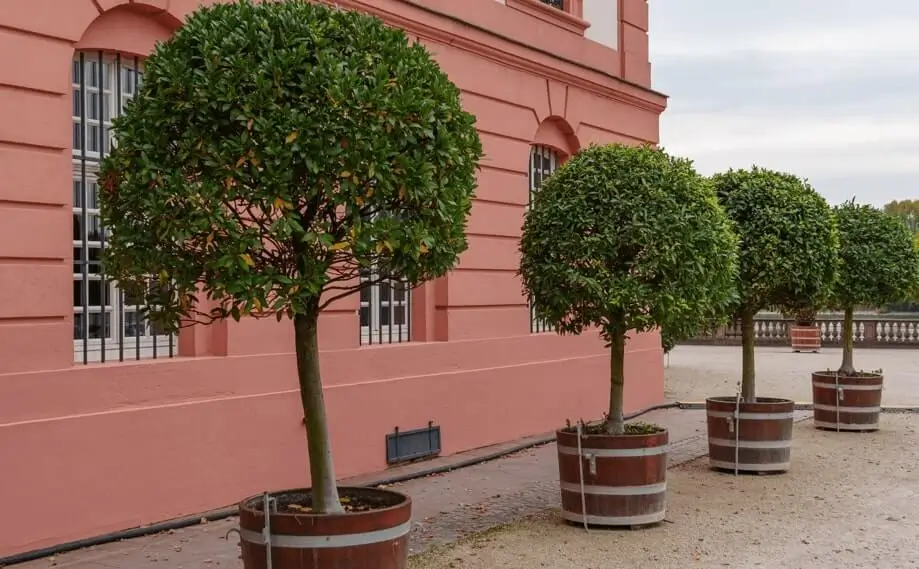
Container fruit trees can quickly become tall, leggy, and difficult to manage if left unchecked. While rapid vertical growth may seem like a sign of health, it often leads to weak structure, reduced fruiting, and maintenance challenges. Understanding why your potted fruit trees are growing too tall—and how to control their height—will help you maintain compact, productive, and easy-to-care-for plants.
Why Fruit Trees Growing Too Tall in Pots Is a Problem
Container fruit gardening is all about balance. When height gets out of control, several issues follow — many of which beginners don’t notice until damage has already occurred.
1. Instability and tipping risk
Tall fruit trees in pots become top-heavy, especially when leaves or fruit develop. Wind, uneven watering, or soft soil can easily cause the container to tip over, damaging roots and branches.
If your tree already feels unstable, you may also want to review this guide on why potted fruit trees fall over and how to fix it, which explains anchoring and weight distribution solutions.
2. Reduced fruit production
Excessive vertical growth diverts energy away from flowering and fruiting. Tall, upright shoots (often called water sprouts) grow fast but rarely produce fruit.
3. Harder pruning and harvesting
Once a tree exceeds a manageable height, pruning becomes stressful and harvesting unsafe — especially on balconies, patios, or rooftops.
4. Poor light distribution
Lower branches get shaded, leading to weak growth, leaf drop, and poor fruit set in the lower canopy.
In short, fruit trees growing too tall in pots aren’t just inconvenient — they’re less healthy and less productive.
Why Fruit Trees Grow Too Tall in Containers
Understanding the causes helps you fix the problem permanently, not just temporarily.
Vigorous rootstock or variety
Some fruit trees are naturally vigorous, even in containers. Standard or semi-dwarf varieties will keep pushing upward unless actively controlled.
If you’re choosing new plants, this beginner-friendly guide to easy fruit trees to grow in containers can help you select naturally compact options.
Excess nitrogen fertilization
Too much nitrogen promotes leafy, vertical growth at the expense of flowers and fruit.
Lack of regular pruning
Skipping pruning — especially in the first few years — trains the tree to grow upward instead of outward.
Oversized or poorly drained containers
Large pots with rich soil can encourage excessive growth if not balanced with pruning and root control.
Strong apical dominance
Fruit trees naturally want to grow upward. Without intervention, the main leader dominates and suppresses lateral branching.
Step-by-Step Solutions to Control Height in Potted Fruit Trees
1. Prune for structure, not just size
Pruning is the most effective solution for fruit trees growing too tall in pots — when done correctly.
Key pruning principles:
- Remove or shorten the central leader early
- Encourage outward-facing branches
- Limit height before it becomes a problem
How to do it:
- Identify the tallest vertical shoot
- Cut it back to an outward-facing bud or side branch
- Keep the tree at a maximum height of 5–7 feet for most containers
Avoid light trimming. Strong, intentional cuts are what redirect growth.
If you’re unsure when to prune, check out this seasonal breakdown of when to prune container fruit trees for best results.
2. Use summer pruning to slow vertical growth
Winter pruning stimulates growth. Summer pruning does the opposite.
Best timing:
- Late spring to mid-summer, after major growth flushes
What to remove:
- Fast-growing vertical shoots
- Water sprouts
- Shoots growing straight up from main branches
Summer pruning reduces vigor and keeps fruit trees growing too tall in pots under control naturally.
3. Choose the right container size (and don’t oversize)
Bigger is not always better.
Ideal container guidelines:
- 15–25 gallons for dwarf fruit trees
- Excellent drainage (multiple holes)
- Heavy materials like terracotta or thick plastic for stability
Oversized pots encourage root expansion, which fuels excessive top growth.
4. Perform root pruning every 2–3 years
Root pruning is a powerful — and underused — technique for container fruit trees.
How it works:
- Remove the tree from its pot
- Trim 10–20% of the outer roots
- Refresh with fresh potting mix
- Replant at the same depth
This limits growth hormones and naturally reduces height without harming the tree.
If your tree shows weak growth after repotting, this article on why potted fruit trees have weak stems explains how to restore balance.
5. Control fertilizer use carefully
Nitrogen is often the hidden culprit behind fruit trees growing too tall in pots.
Best practices:
- Use slow-release, balanced fertilizer
- Avoid high-nitrogen feeds after early summer
- Focus on potassium and phosphorus during flowering and fruiting
Excess fertilizer equals excess height — without better fruit.
6. Train branches horizontally
Horizontal branches produce more fruit and grow less vigorously.
Simple training methods:
- Use soft ties or garden wire
- Gently bend branches outward
- Secure to the container rim
This reduces apical dominance and keeps growth compact.
Tools, Soil, and Care Tips for Height Control
Essential tools
- Sharp bypass pruners
- Small pruning saw
- Soft plant ties
- Gloves and disinfectant
Best soil mix
- Well-draining potting mix
- Added perlite or coarse sand
- Organic matter for steady nutrition
Ongoing care tips
- Rotate pots for even light exposure
- Water deeply but infrequently
- Watch for stress signs like leaf curl or drop
If leaves start dropping after pruning, this guide on why container fruit trees lose leaves can help you diagnose the issue.
Common Mistakes Beginners Make
Letting the tree “grow first”
Waiting too long to prune creates tall, unmanageable trees that are harder to correct later.
Only trimming the tips
Light trimming encourages more vertical growth instead of controlling it.
Using high-nitrogen fertilizer year-round
This keeps trees in growth mode instead of fruiting mode.
Ignoring root health
Unchecked roots drive unchecked height.
Choosing the wrong variety
Some trees are simply not suitable for small containers.
FAQ: Fruit Trees Growing Too Tall in Pots
Why do my potted fruit trees grow tall but not produce fruit?
Because energy is going into vertical growth instead of flowering. Excess nitrogen and lack of pruning are common causes.
Can I cut the top off a tall fruit tree in a pot?
Yes — with a proper heading cut to a side branch or outward bud. Avoid leaving stubs.
How tall should a container fruit tree be?
Most perform best between 5 and 7 feet, depending on container size and variety.
Is it safe to prune fruit trees in summer?
Yes. Summer pruning helps control height and reduces excessive vigor.
Will root pruning harm my tree?
When done correctly and infrequently (every 2–3 years), it improves long-term health and size control.
Conclusion: Keep Your Potted Fruit Trees Compact and Productive
Fruit trees growing too tall in pots is a manageable problem — not a failure. With proper pruning, smart container choices, controlled feeding, and occasional root pruning, you can maintain compact, healthy trees that fit perfectly into small spaces.
Start by correcting height early, prune with intention, and train your tree to grow outward rather than upward. Monitor growth each season and adjust care accordingly.
The result? Easier maintenance, safer containers, better light exposure — and more delicious fruit from trees that stay exactly the size you want.