
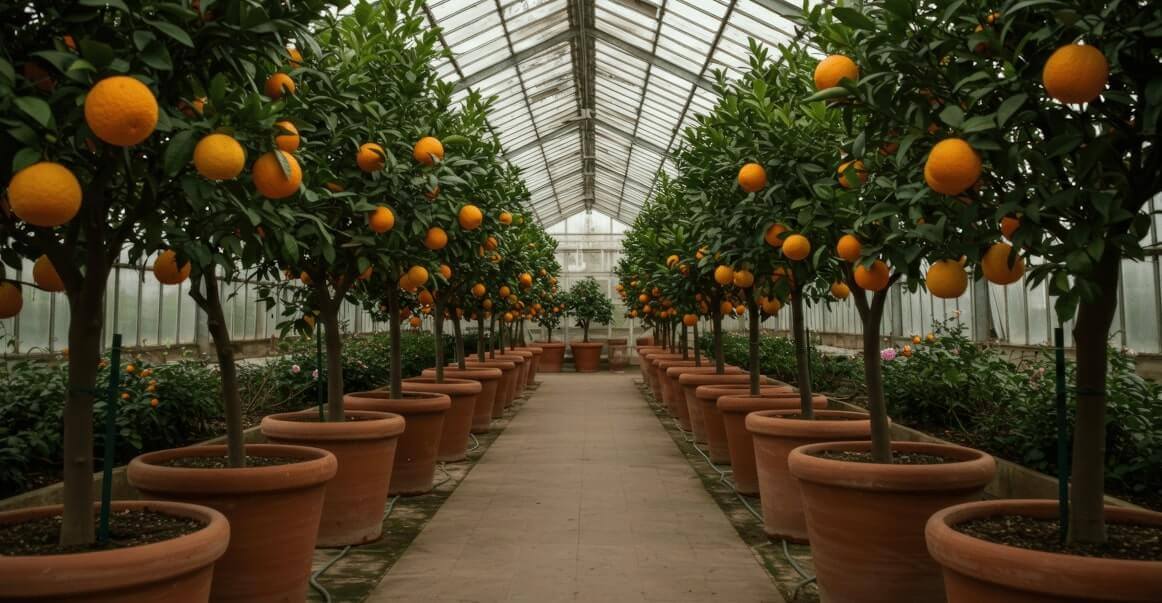
Growing your own fruit doesn’t require a large backyard. With the right planning, fruit gardening in small spaces can transform balconies, patios, rooftops, and tiny gardens into productive green spaces full of fresh harvests. Whether you want juicy strawberries in hanging baskets, dwarf citrus trees in pots, or climbing berries along a fence, small-space fruit gardening offers endless possibilities for urban gardeners and beginners alike. This guide explores practical techniques, space-saving ideas, and the best fruits to grow successfully in compact areas.
🌿 What Is Container Fruit Gardening?
Container fruit gardening involves cultivating fruit-bearing plants in portable pots or planters rather than directly in the ground. This method is ideal for:
- Urban and balcony gardeners
- Those with poor or limited soil conditions
- Anyone who wants movable, seasonal fruit plants
It’s a flexible, low-maintenance way to start growing fruits. You can even reference guides like GrowFruitly’s post on best fruits to grow on a balcony for inspiration on compact, high-yield options.
For climate considerations, use the official USDA Plant Hardiness Zone Map to ensure your fruit plants can thrive where you live.
🍋 Why Grow Fruits in Containers?
There are several advantages to container fruit gardening:
- Space Efficiency: Grow multiple fruits even in a limited area.
- Mobility: Move containers to protect plants during bad weather.
- Soil Control: Adjust the pH and nutrients for optimal fruiting.
- Fewer Pests: Containers limit soil-borne diseases and weeds.
Another benefit is the flexibility to manage soil acidity. For instance, blueberries require an acidic soil mix—a condition that’s easy to manage in pots. You can check your mix’s acidity using the soil pH testing guide from the University of Florida IFAS Extension.
To boost your harvest even more, explore GrowFruitly’s detailed post on how to pollinate fruit trees for better yield — a valuable skill for small-space gardeners.
🪴 Choosing the Right Container
Your container choice determines how healthy and productive your plants become.
Ideal Container Types:
- Terracotta: Breathable but dries out quickly.
- Plastic: Lightweight, easy to move.
- Wood barrels: Great for larger trees.
- Ceramic: Stylish but heavy—use rolling stands for mobility.
Suggested Sizes:
- Strawberries: 8–12 inches deep
- Blueberries: 18–24 inches deep
- Citrus trees: 20–25 gallons
- Figs: Minimum 20 gallons
For additional insight into choosing the right growing vessel, see GrowFruitly’s guide to selecting containers for fruit trees.
🍓 Best Fruits for Container Gardening
You can grow a wide variety of fruits in containers. Here are some of the easiest and most rewarding options:
1. Strawberries
- Thrive in hanging baskets or strawberry pots
- Produce fruit for several months
- Snip early runners to improve yields
2. Blueberries
- Require acidic soil (pH 4.5–5.2)
- Prefer a peat moss and potting soil mix
- Need consistent watering
3. Figs (Little Miss Figgy)
- Compact and ornamental
- Fruiting occurs twice a year
- Enjoy full sun and moderate moisture
4. Citrus Trees (Meyer Lemon)
- Sweet, fragrant fruits
- Ideal for patios or indoor overwintering
- Need at least six hours of sun daily
For more ideas, see GrowFruitly’s comprehensive post on easy fruits to grow in containers — it’s full of beginner-friendly inspiration.
🌱 Creating the Perfect Soil Mix
Healthy soil equals healthy fruit. Avoid using garden soil in containers—it’s too heavy.
Recommended Soil Mix:
- 1 part peat moss or coco coir
- 1 part perlite
- 1 part compost
pH Preferences:
- Blueberries: 4.5–5.2
- Citrus: 5.5–7.0
- Strawberries: 5.5–6.8
To learn more about preparing nutritious soil blends, visit GrowFruitly’s DIY organic potting mix guide.
💧 Watering and Fertilizing
Consistency is key when watering container fruit plants. Pots dry out faster than garden beds.
- Water until it drains through the bottom.
- Mulch the surface to retain moisture.
- Fertilize with a phosphorus-rich feed for flowering and fruiting.
For fertilization timing and types, GrowFruitly’s organic fertilizer schedule for fruit plants provides detailed guidance.
❄️ Seasonal Care and Overwintering
Protecting your container fruit garden through the seasons ensures long-term success:
- Winter: Move tropical plants like lemons and pineapples indoors.
- Spring: Prune old growth and refresh the soil.
- Summer: Water frequently during heatwaves.
- Fall: Wrap containers with burlap to insulate roots.
For zone-specific advice, GrowFruitly’s post on winterizing fruit trees in pots is a great seasonal resource.
🐝 Pollination & Fruit Production
Some fruits, like strawberries, self-pollinate, while others—like peaches—need assistance.
Ways to Encourage Pollination:
- Add bee-friendly flowers nearby.
- Avoid synthetic pesticides.
- Hand-pollinate indoor plants with a soft brush.
🪳 Troubleshooting Common Problems
Even experienced gardeners face challenges.
Common Pests:
- Aphids, whiteflies, spider mites
- Treat with neem oil or insecticidal soap
Diseases:
- Powdery mildew from poor airflow
- Root rot from overwatering
For more help, GrowFruitly’s fruit pest identification and control guide provides practical solutions.
🌼 Creative Ideas for Container Fruit Gardening
Get creative with your space!
- Combine herbs, flowers, and fruits in one large planter.
- Try vertical gardens or tiered strawberry towers.
- Arrange colorful pots for a decorative edible display.
For inspiration, see GrowFruitly’s article on creative vertical gardening ideas.
❓ FAQs
What fruits grow best in containers?
Strawberries, blueberries, and dwarf citrus thrive best.
Can fruit trees stay in pots permanently?
Yes, especially dwarf and patio varieties. Repot every few years.
How often should I fertilize?
Every 4–6 weeks during the growing season.
🌻 Final Thoughts
Container fruit gardening proves that even the smallest spaces can yield abundant harvests. With smart container choices, nutrient-rich soil, and a consistent care routine, your balcony or patio can become a lush fruit sanctuary.
For ongoing learning, explore GrowFruitly’s knowledge hub on topics like fruit tree pruning basics and balcony gardening ideas for beginners. Together, these resources can turn your small garden into a thriving edible paradise.