
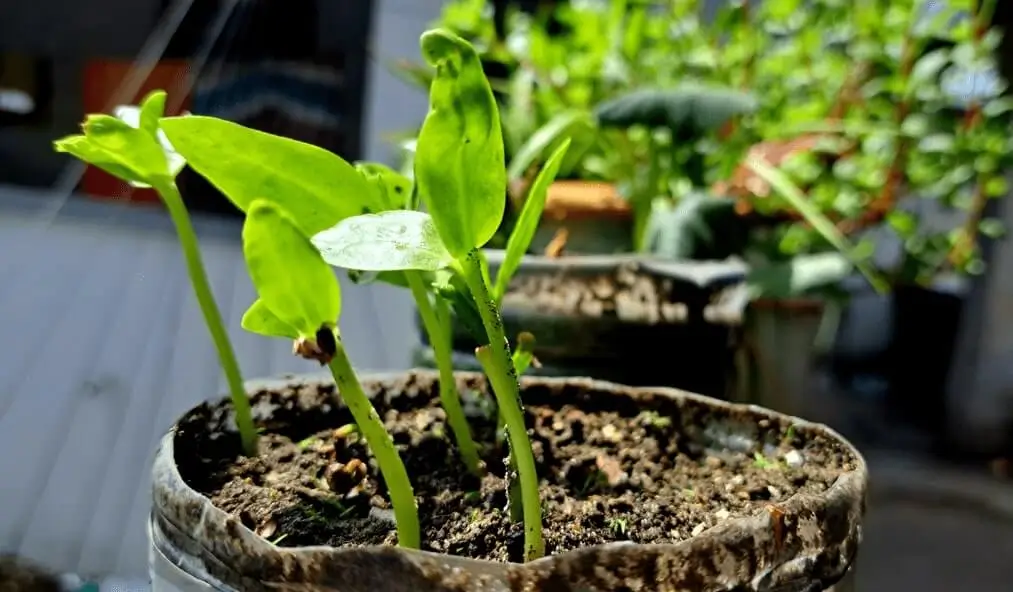
Acidic soil in containers can quietly harm your fruit plants, leading to nutrient imbalances, poor growth, and disappointing harvests. While some plants tolerate slightly acidic conditions, excessive acidity can block essential nutrients and weaken root health. Understanding what causes soil to become too acidic, how to recognize early warning signs, and the best ways to correct it will help you restore balance and keep your container fruit garden thriving.
Why Acidic Soil Problems Matter in Container Fruit Gardening
Container fruit plants depend entirely on the limited soil volume in their pots. Unlike in-ground plants, they can’t send roots deeper or wider to escape unfavorable conditions. This makes soil pH especially important.
How Soil pH Affects Fruit Plants in Pots
Soil pH controls how easily plants can absorb nutrients. When potting soil becomes too acidic:
- Essential nutrients like calcium, magnesium, and phosphorus become less available
- Toxic elements such as aluminum and manganese may build up
- Roots weaken, reducing water and nutrient uptake
Even if you fertilize regularly, plants in overly acidic soil may still show deficiency symptoms because nutrients are chemically “locked up.”
Fruit Plants Most Affected by Acidic Soil in Containers
Some fruit plants tolerate mild acidity, but many struggle in pots when pH drops too low:
- Citrus trees
- Fig trees
- Apple and pear trees
- Stone fruits (peach, plum, apricot)
Blueberries are an exception — they prefer acidic soil — but even they suffer if acidity becomes extreme or unmanaged.
If you’ve previously dealt with reused or old potting soil, acidity issues are even more likely, as explained in our guide on reusing old potting soil safely for fruit plants.
What Causes Acidic Soil Problems in Pots?
Understanding the causes helps you fix the issue permanently instead of repeating the same cycle each season.
1. Fertilizer Buildup Over Time
Many fertilizers — especially synthetic ones — are acidic by nature. Frequent feeding without flushing the soil can steadily lower pH. This is closely related to fertilizer burn, which we cover in detail in our article on fertilizer burn in potted fruit trees.
2. Decomposition of Organic Matter
Compost, bark, peat moss, and other organic ingredients break down over time, releasing organic acids. In containers, there’s nowhere for these acids to go.
3. Rainwater and Tap Water Effects
- Rainwater is naturally slightly acidic
- Softened or mineral-poor tap water may lack buffering capacity
Over months, watering alone can shift soil pH downward.
4. Poor Drainage and Compacted Soil
Waterlogged soil accelerates chemical reactions that increase acidity. If your potting mix becomes dense or compacted, acidity problems often follow. Learn more in our guide on soil compaction solutions for containers.
Clear Signs Your Potted Fruit Plant Has Acidic Soil Problems
Before fixing anything, confirm the problem. Acidic soil symptoms often look like nutrient deficiencies.
Common Visual Symptoms
- Yellowing leaves (especially between veins)
- Slow or stunted growth
- Weak flowering or no fruit set
- Leaf drop despite adequate watering
Root and Soil Clues
- White or yellow salt crust on soil surface
- Sour or sharp smell from potting mix
- Roots that look thin, brown, or damaged
If you notice these symptoms along with poor drainage, acidic soil is likely working together with other issues such as old or degraded potting mix, which we explain in old potting soil problems and fixes.
Step-by-Step Solutions to Fix Acidic Soil Problems in Pots
Fixing acidic soil in containers doesn’t require guesswork. Follow these steps for reliable results.
Step 1: Test Your Soil pH
Use a simple soil pH meter or test kit designed for containers. Most fruit plants prefer:
- Ideal pH range: 6.0–6.8
If your reading is below 5.5, corrective action is needed.
Step 2: Flush the Soil Thoroughly
Before adding amendments:
- Water the pot deeply until water drains freely
- Repeat after 10–15 minutes
- Allow excess water to drain completely
This removes acidic salt buildup and creates a clean starting point.
Step 3: Add Lime to Raise pH Safely
Use dolomitic lime for container fruit plants:
- Raises pH gradually
- Adds calcium and magnesium
Application guide:
- Small pots (10–15 L): 1–2 teaspoons
- Medium pots (20–40 L): 1–2 tablespoons
- Large containers: 2–4 tablespoons
Mix gently into the top few inches of soil and water well.
Step 4: Improve the Potting Mix Structure
If soil breaks down quickly or stays wet, acidity will return. Refresh the mix by adding:
- Perlite or pumice for drainage
- Coconut coir instead of peat (less acidic)
- Fresh, balanced potting mix if soil is exhausted
If you’re unsure whether your mix is suitable, our guide on wrong soil mix solutions for fruit plants explains how to rebuild it properly.
Step 5: Adjust Fertilizer Strategy
Switch to:
- Slow-release fertilizers
- Organic, low-salt options
- Reduced feeding frequency
Avoid feeding until the plant shows recovery.
Common Mistakes Beginners Make With Acidic Soil in Pots
Avoid these errors to prevent repeating the problem.
Overcorrecting pH Too Quickly
Adding too much lime at once can shock roots and cause nutrient lockout in the opposite direction.
Ignoring Drainage Holes
No drainage = rising acidity over time, no matter what amendments you use.
Reusing Depleted Soil Without Treatment
Old potting mix almost always becomes acidic. Reusing it without correction invites problems.
Confusing Acid-Loving Plants With All Fruit Plants
Not all fruits like acidic soil. Blueberries do — citrus and figs do not.
Tools, Soil, and Care Tips for Long-Term pH Balance
Maintaining stable soil pH is easier than fixing it repeatedly.
Essential Tools
- Soil pH meter or test strips
- Measuring spoon for amendments
- Well-draining containers with multiple holes
Best Practices
- Test soil pH every 2–3 months
- Flush containers monthly during active growth
- Repot fruit plants every 1–2 years
- Use balanced, container-specific potting mixes
Healthy soil structure prevents many problems, including acidity and water retention issues discussed in our guide on soil holding too much water in containers.
FAQ: Acidic Soil Problems in Pots
Why does potting soil become acidic over time?
Fertilizers, organic matter breakdown, and repeated watering slowly lower pH in confined container soil.
Can I use garden lime for potted fruit plants?
Yes, but only in small, measured amounts. Dolomitic lime is best for containers.
How often should I test soil pH in pots?
Every 2–3 months during the growing season, and once before winter dormancy.
Are coffee grounds good for container fruit plants?
No. Coffee grounds increase acidity and are not recommended unless growing acid-loving plants.
Can acidic soil kill my fruit plant?
Over time, yes. Severe acidity damages roots and blocks nutrient uptake.
Conclusion: Restore Balance and Grow Better Fruit in Containers
Acidic soil problems in pots are common, but they don’t have to limit your success with container fruit gardening. Once you understand the causes — fertilizer buildup, soil breakdown, and poor drainage — the solution becomes clear and manageable.
By testing soil pH regularly, flushing containers, correcting acidity with lime, and maintaining a healthy potting mix, you can restore balance and keep your fruit plants productive year after year.
Next steps:
Test your pots this week, correct pH gradually, and refresh your soil strategy before planting or repotting. Healthy soil is the foundation of strong roots, vigorous growth, and better harvests — even in small spaces.