
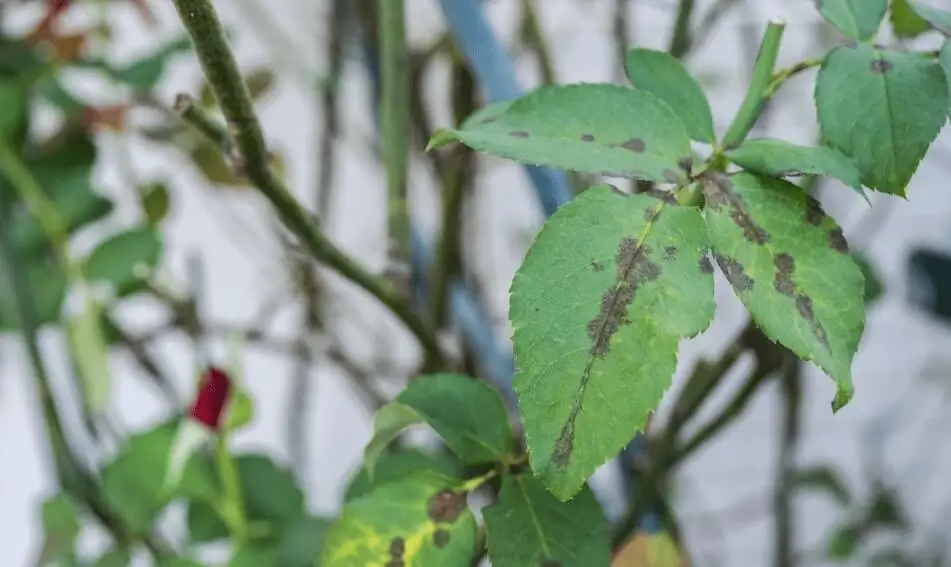
Black spots on fruit tree leaves can be alarming, especially when you’re growing trees in containers where conditions are easier to control—but also easier to disrupt. These dark marks often signal fungal infections, pest issues, or environmental stress that can weaken your tree and reduce fruit production if left untreated. Understanding the root cause is the key to choosing the right solution. In this guide, you’ll learn what causes black spots on potted fruit trees, how to treat them effectively, and the best prevention strategies to keep your plants healthy and productive.
Why Black Spots on Fruit Tree Leaves Matter in Container Gardening
Container fruit trees live in a more controlled but more fragile environment than trees planted in the ground. While that’s an advantage for small-space gardeners, it also means problems like black leaf spots can escalate quickly if ignored.
Why potted trees are more vulnerable
- Limited airflow on balconies and patios encourages fungal diseases
- Moist potting mix stays wet longer, especially in large containers
- Leaves are closer together, making disease spread easier
- Stress from heat, drought, or poor nutrition weakens natural defenses
Black spots aren’t just a cosmetic issue. Left untreated, they can lead to:
- Premature leaf drop
- Reduced photosynthesis
- Weak flowering and poor fruit set
- Increased susceptibility to pests and root diseases
If you’re already dealing with fungal issues in containers, you may also find this guide helpful: fungal diseases in container fruit trees.
What Causes Black Spots on Fruit Tree Leaves?
Before treating the problem, correct identification is crucial. Different causes require different solutions.
1. Fungal Leaf Spot Diseases (Most Common)
Fungal infections are the number one cause of black spots on fruit tree leaves in containers.
Common fungal culprits include:
- Apple scab – olive-black spots with yellow halos
- Cercospora leaf spot – small dark dots that merge into patches
- Anthracnose – irregular black or brown blotches
- Citrus black spot – dark lesions with defined edges
These fungi thrive in warm, humid conditions and spread through water splash, contaminated tools, and infected leaves.
👉 Related reading: powdery mildew on fruit trees (another common fungal issue in pots)
2. Bacterial Leaf Spot (Less Common, More Aggressive)
Bacterial leaf spots often look similar to fungal ones but tend to:
- Appear water-soaked at first
- Spread rapidly after rain
- Cause leaf distortion or holes
Bacterial issues are harder to treat and usually linked to poor sanitation and overhead watering.
3. Nutrient Imbalances (Black or Dark Necrotic Spots)
Not all black spots are diseases.
- Potassium deficiency can cause dark, scorched-looking leaf edges
- Calcium deficiency leads to spotting and weak leaf tissue
- Salt buildup from over-fertilizing can burn leaves
These issues are especially common in containers where nutrients and salts accumulate.
4. Environmental Stress Damage
Sudden stress can cause black or brown spotting:
- Heatwaves on balconies
- Cold nights after warm days
- Sunburn on shaded trees moved into full sun
Stress-related spots usually don’t spread like diseases do.
How to Identify the Exact Problem (Quick Diagnostic Checklist)
Use this simple checklist before applying any treatment:
- Are the spots spreading to new leaves? → Likely fungal or bacterial
- Do the spots have yellow halos? → Often fungal
- Are older leaves affected first? → Nutrient imbalance
- Is there leaf drop? → Disease or severe stress
- Was the weather humid or rainy recently? → Fungal risk increases
If your tree also shows root stress or wilting, read root diseases in potted fruit trees before treating the leaves.
Step-by-Step Solutions for Black Spots on Fruit Tree Leaves
Step 1: Isolate the Affected Tree
- Move the pot away from other plants
- Prevent water splash onto neighboring trees
- This single step can stop disease spread immediately
Step 2: Prune and Remove Infected Leaves (Correctly)
- Use clean, sharp pruning shears
- Remove heavily spotted leaves and affected shoots
- Never compost infected leaves—discard them
Disinfect tools with alcohol between cuts.
Step 3: Improve Airflow and Sun Exposure
- Space pots at least 30–50 cm apart
- Avoid crowding against walls
- Ensure 6–8 hours of sunlight for most fruit trees
Poor airflow is one of the biggest hidden causes of recurring leaf spots.
Step 4: Adjust Watering Habits
- Water at soil level, not over leaves
- Water early in the morning
- Let the top 2–3 cm of soil dry between waterings
Overwatering also attracts pests like fungus gnats—see fungus gnats in potting soil if you notice tiny flies.
Step 5: Apply Organic or Low-Toxic Treatments
For fungal black spots:
- Neem oil (weekly, early morning)
- Copper fungicide (use sparingly)
- Baking soda spray (preventive only)
For bacterial issues:
- Copper-based sprays
- Strict sanitation and pruning
Always test sprays on a small area first.
Soil, Containers, and Care Tips That Prevent Black Spots
Choose the Right Pot and Soil
- Containers with multiple drainage holes
- High-quality, well-draining potting mix
- Avoid garden soil in containers
If soil stays wet for days, fungal problems are almost guaranteed.
Fertilize Wisely
- Use balanced slow-release fertilizer
- Avoid excess nitrogen (encourages soft, disease-prone leaves)
- Flush soil every 2–3 months to remove salt buildup
Mulch Carefully in Containers
- Use thin organic mulch
- Keep mulch away from the trunk
- Avoid thick layers that trap moisture
Common Beginner Mistakes That Make Black Spots Worse
- ❌ Spraying fungicide without identifying the cause
- ❌ Watering leaves daily “to wash spots away”
- ❌ Leaving fallen leaves on soil surface
- ❌ Overcrowding pots for aesthetics
- ❌ Ignoring early symptoms
Small mistakes in containers can escalate fast—but they’re easy to fix once you know what to watch for.
FAQ: Black Spots on Fruit Tree Leaves
Why do black spots keep coming back every year?
Because fungal spores overwinter in old leaves, soil, and pots. Proper cleanup and early prevention are essential.
Can I eat fruit from a tree with black leaf spots?
Yes, in most cases. Leaf spots affect foliage more than fruit, though severe infections can reduce yield.
Are black spots contagious to other plants?
Yes. Fungal and bacterial diseases spread easily in close quarters like balconies.
Should I remove all affected leaves?
Remove heavily infected leaves, but never strip more than 25–30% of foliage at once.
Do homemade sprays really work?
They help prevent spread but won’t cure advanced infections. Early action is key.
Conclusion: How to Keep Your Potted Fruit Trees Spot-Free
Black spots on fruit tree leaves may look scary, but they’re usually a sign that something in the growing environment needs adjustment—not that your tree is doomed. By identifying the cause early, improving airflow, watering correctly, and using gentle treatments, you can stop the problem and protect your harvest.
Your next steps:
- Inspect leaves weekly
- Improve airflow and sun exposure
- Adjust watering habits
- Clean up fallen leaves immediately
- Apply preventive treatments early in the season
With consistent care, your container fruit trees can stay healthy, productive, and beautiful—black spots included only as a lesson learned, not a recurring problem. 🌱🍎