
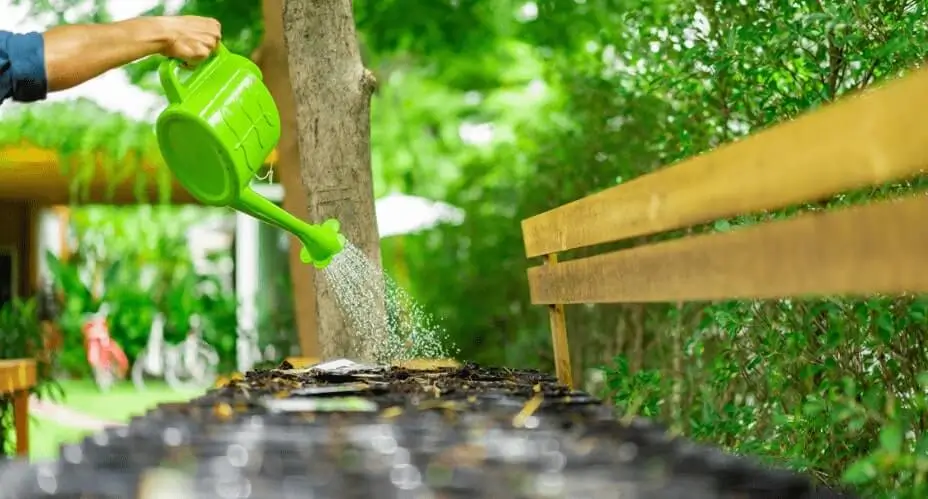
Overwatering is one of the most common reasons potted fruit trees struggle or die. Many beginner gardeners think more water means healthier plants, but too much moisture can suffocate roots, cause root rot, and weaken your fruit tree over time. The tricky part is that overwatered trees often look similar to underwatered ones, making the problem easy to miss. In this guide, you’ll learn the most common signs of overwatering potted fruit trees, why it happens, and the fastest ways to help your tree recover before serious damage occurs.
What Does Overwatering Mean for Potted Fruit Trees?
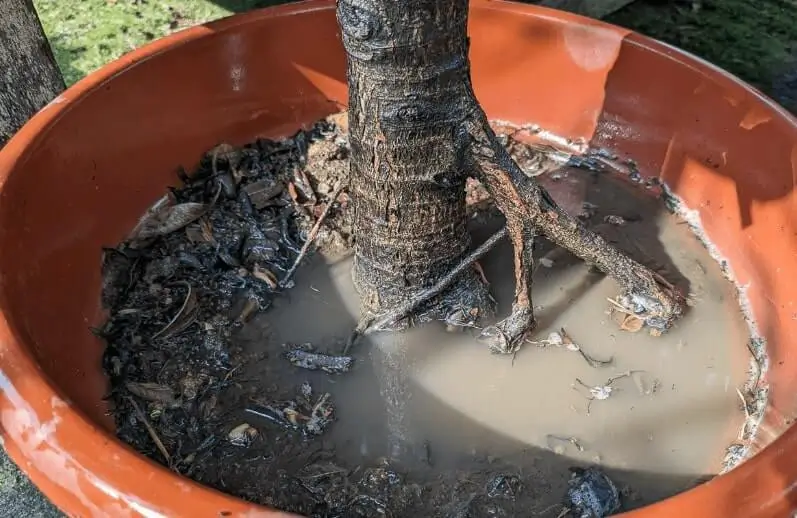
Overwatering doesn’t simply mean “watering too often.” It means the roots stay wet for too long, depriving them of oxygen. Fruit trees—whether citrus, figs, apples, or stone fruits—need a balance of water and air in the root zone.
In containers, problems happen faster because:
- There’s limited soil volume.
- Poor drainage traps water
- Roots can’t escape saturated soil.
Once oxygen is cut off, roots begin to rot, nutrient uptake stops, and visible symptoms appear above the soil.
Signs of Overwatering Potted Fruit Trees (Main Symptoms)
1. Yellowing Leaves (Especially Lower Leaves)
One of the earliest and most common signs is uniform yellowing, starting with older leaves.
Why does it happen:
Waterlogged roots can’t properly absorb nitrogen and iron.
Waterlogged roots can’t properly absorb nitrogen and iron.
How to tell it’s overwatering:
- Leaves are soft, not dry.
- Soil feels constantly wet.
- Yellowing appears even after fertilizing.
2. Wilting Despite Wet Soil
This confuses many gardeners.
Your tree may look limp or droopy even though the pot is wet.
What’s really happening:
Damaged roots can’t transport water upward, so the tree behaves as if it’s thirsty—when it’s actually drowning.
Damaged roots can’t transport water upward, so the tree behaves as if it’s thirsty—when it’s actually drowning.
3. Leaf Drop Without Drying First
Healthy trees usually show leaf stress (curling or crisp edges) before dropping leaves. Overwatered trees often suddenly drop green or yellow leaves.
This is a stress response caused by:
- Root suffocation
- Hormonal imbalance
- Early root rot
4. Soft, Black, or Mushy Roots (Advanced Sign)
If you remove the tree from its pot and see:
- Black or dark brown roots
- A foul or swampy smell
- Slimy texture
This indicates root rot, a serious condition caused by prolonged overwatering.
Healthy roots should be light-colored and firm.
5. Mould, Algae, or Fungus on Soil Surface
White mould, green algae, or fungus gnats hovering around the pot are strong indicators of excess moisture.
These thrive in:
- Poor airflow
- Constantly wet soil
- Shaded, humid conditions
6. Slow or Stunted Growth
If your fruit tree:
- Stops producing new leaves
- Shows weak spring growth
- Produces fewer flowers or fruit
Overwatering may be limiting oxygen and nutrient uptake.
Overwatering vs Underwatering: How to Tell the Difference
| Symptom | Overwatering | Underwatering |
| Soil | Constantly wet | Dry, pulling from pot edges |
| Leaves | Yellow, soft | Brown, crispy |
| Wilting | Yes | Yes |
| Leaf drop | Sudden, green/yellow | Dry leaves first |
| Pot weight | Heavy | Very light |
When in doubt, check soil moisture 2–3 inches deep, not just the surface.
Common Causes of Overwatering in Containers
Poor Drainage Holes
Pots without proper drainage trap water at the bottom, creating a permanent swamp for roots.
Oversized Pots
Large containers hold more moisture than small root systems can use.
Heavy or Incorrect Soil Mix
Garden soil or dense compost retains too much water. This is why choosing the best soil for fruit in pots is critical for container success.
Watering on a Schedule Instead of by Need
Fruit trees don’t follow calendars—they respond to weather, season, and growth stage. A flexible watering schedule for potted fruit prevents most overwatering issues.
How to Fix an Overwatered Potted Fruit Tree (Step-by-Step)
Step 1: Stop Watering Immediately
Let the soil dry until the top 2–3 inches are dry.
Step 2: Improve Drainage
- Ensure drainage holes are open.
- Elevate the pot slightly.
- Remove saucers holding excess water.
Step 3: Check the Roots (If Severe)
If symptoms persist:
- Gently remove the tree.
- Trim black, mushy roots with sterile scissors.
- Repot into a fresh, well-draining mix.
Step 4: Use the Right Soil
A fast-draining mix with:
- Pine bark or coco coir
- Perlite or pumice
- Minimal fine compost
This is essential for long-term root health.
Best Practices to Prevent Overwatering
Water Deeply, Not Frequently
Water until it drains out the bottom—then wait until the soil partially dries.
Match Pot Size to Tree Size
Gradually upsize containers as the tree grows.
Adjust by Season
- Summer: More frequent but still based on soil moisture
- Winter: Much less water, especially for dormant trees
Avoid Over-Fertilizing
Excess nutrients can worsen stress in waterlogged roots. Follow proper guidelines for fertilizing fruit trees in containers only after root health is restored.
Common Overwatering Mistakes to Avoid
- Watering daily “just in case.”
- Using decorative pots with no drainage
- Ignoring pot weight and soil feel.
- Assuming yellow leaves always mean nutrient deficiency
Understanding the basics of container fruit gardening for beginners can prevent nearly all of these issues.
FAQ: Overwatering Potted Fruit Trees
How often should I water potted fruit trees?
Only when the top few inches of soil are dry. Frequency depends on weather, pot size, and soil type.
Can an overwatered fruit tree recover?
Yes—if caught early. Improving drainage and correcting watering habits often restores health.
Should I repot immediately if I overwatered?
Only if symptoms persist or root rot is present. Mild cases recover without repotting.
Do self-watering pots cause overwatering?
They can, especially for fruit trees, if the reservoir stays constantly full.
Is yellowing always caused by overwatering?
No, but if the soil is wet and growth is slow, overwatering is a strong possibility.
Conclusion: Catch the Signs Early for Healthy Trees
Recognizing the signs of overwatering potted fruit trees early can mean the difference between recovery and root rot. Yellow leaves, wilting in wet soil, and poor growth are warning signals—not invitations to water more.
By improving drainage, using the right soil, and watering based on plant needs instead of habit, your container fruit trees can thrive for years.
👉 Ready to grow with confidence? Explore more practical guides on GrowFruitly to master container fruit care and avoid costly beginner mistakes.