
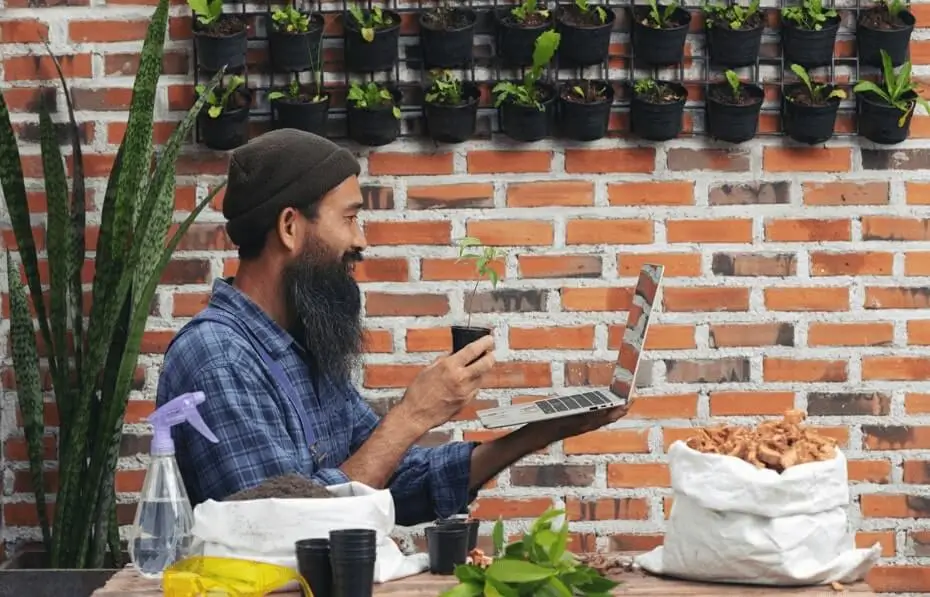
Container fruit gardening is becoming more popular as people look for simple ways to grow fresh fruit in small spaces. However, beginners often have many questions before starting. From choosing the right containers to understanding watering, sunlight, and fertilizer needs, learning the basics can feel overwhelming at first. This guide answers the most common beginner questions about container fruit gardening and helps new gardeners avoid mistakes while growing healthy and productive fruit plants at home.
Why Common Beginner Questions About Container Fruit Gardening Matter
Understanding the basics early can save you time, money, and frustration. Most container fruit gardening failures happen not because beginners lack motivation, but because they start with incorrect assumptions.
Here’s why answering these questions matters:
- Containers limit root growth, affecting water, nutrients, and plant size.
- Fruit plants have different needs than herbs or flowers.
- Mistakes compound quickly in pots compared to garden soil.
- Correct choices early on lead to better harvests for years
Beginners who learn the fundamentals upfront often succeed faster than experienced gardeners who try to “wing it” in containers. Knowing what’s normal—and what’s not—gives you realistic expectations and better results.
Can You Really Grow Fruit Successfully in Containers?
Yes, many fruits thrive in containers when grown correctly. In fact, some fruit trees perform better in pots because their growth is naturally controlled.
Fruits well-suited to containers include:
- Citrus (lemon, lime, orange)
- Fig trees
- Dwarf apple and pear trees
- Peaches and nectarines (dwarf varieties)
- Blueberries
- Strawberries
- Figs and pomegranates
Container growing allows you to:
- Control soil quality
- Move plants for sunlight or protection.
- Grow fruit in non-ideal climates.
- Avoid poor native soil conditions.
If you’re unsure which fruits are best for limited spaces, our guide on the best fruit trees for urban areas explains ideal beginner-friendly choices in detail.
How Big Should Containers Be for Fruit Plants?
Container size is one of the most common beginner questions—and one of the most important.
General Container Size Guidelines
- Berries & strawberries: 2–5 gallons
- Dwarf fruit trees: 10–20 gallons minimum
- Semi-dwarf trees: 20–30 gallons
- Citrus & figs: 15–25 gallons
Bigger containers:
- Hold moisture longer
- Reduce watering stress
- Support stronger root systems.
- Increase fruit production
Shallow pots are a common beginner mistake. If you’re unsure about proper sizing, this detailed guide on how deep containers should be for fruit trees explains depth requirements clearly.
What Soil Is Best for Container Fruit Gardening?
Garden soil is not suitable for containers—it compacts, drains poorly, and suffocates roots.
Ideal Potting Mix Characteristics
- Loose and well-draining
- Holds moisture without staying soggy
- Rich in organic matter
A simple beginner-friendly mix:
- High-quality potting soil (base)
- Compost or worm castings (nutrients)
- Perlite or pumice (drainage)
Avoid heavy soil mixes labelled for lawns or raised beds. For organic growers, our article on growing organic fruit in pots covers soil choices and amendments in depth.
How Often Should You Water Fruit in Containers?
Watering is where most beginners struggle—not because it’s complicated, but because containers dry out faster than soil in the ground.
Basic Watering Rules
- Water when the top 1–2 inches of soil feels dry
- Water deeply until it drains from the bottom
- Never let pots sit in standing water.
In hot weather, daily watering may be necessary
In cool seasons, every few days may be enough
In cool seasons, every few days may be enough
Self-watering setups can help beginners maintain consistency. If watering feels overwhelming, consider reading about self-watering containers for fruit trees to reduce guesswork.
Do Container Fruit Plants Need Fertilizer?
Yes—container fruit plants depend entirely on you for nutrients.
Beginner-Friendly Fertilizing Tips
- Use slow-release organic fertilizer at planting.
- Supplement with liquid feed during the growing season.
- Avoid over-fertilizing (more is not better)
Signs of nutrient deficiency:
- Yellowing leaves
- Poor growth
- Few or no flowers
Container-grown plants need more frequent feeding than in-ground trees. A simple feeding schedule can make a dramatic difference in fruit yield and plant health.
Common Beginner Mistakes in Container Fruit Gardening
Even motivated beginners make mistakes—but most are easy to fix once identified.
Top Mistakes to Avoid
- Choosing containers that are too small
- Using garden soil instead of potting mix
- Overwatering or underwatering
- Ignoring sunlight requirements
- Skipping regular feeding
Another frequent issue is starting with too many plants at once. If you’re new, begin with one or two containers and expand as you gain confidence.
Tools, Containers, and Care Tips for Beginners
You don’t need expensive tools to succeed—just the right essentials.
Beginner Must-Haves
- Containers with drainage holes
- Lightweight pots (fabric or plastic for balconies)
- Quality potting mix
- Slow-release fertilizer
- Pruners for light maintenance
Choosing the right container material also matters. Plastic retains moisture, while terracotta dries faster. If you’re unsure which container material to choose, our guide to selecting the right container material for fruit trees breaks down the pros and cons.
Frequently Asked Questions (FAQ)
Can fruit trees stay in containers permanently?
Yes. Many dwarf and semi-dwarf fruit trees can live their entire lives in large containers with proper care and occasional root pruning.
How much sun do container fruit plants need?
Most fruit plants need 6–8 hours of direct sunlight daily. Less sun means fewer flowers and fruit.
Do I need to prune container fruit trees?
Light pruning helps maintain size and encourages fruiting. Container trees generally need less pruning than in-ground trees.
Can I grow fruit on a balcony?
Absolutely. With weight limits and safety in mind, many fruits thrive on balconies. Choose compact varieties and stable containers.
Why is my container fruit tree flowering but not fruiting?
Common causes include lack of pollination, insufficient sunlight, nutrient imbalance, or stress from watering issues.
Conclusion: Your Next Steps to Container Fruit Gardening Success
Container fruit gardening doesn’t have to be confusing or intimidating. By understanding the answers to these common beginner questions, you’ve already avoided the most frequent mistakes that stop new gardeners from succeeding.
To move forward:
- Choose one beginner-friendly fruit.
- Use a properly sized container.
- Invest in good soil and drainage.
- Water consistently and feed regularly.
- Observe your plant and adjust as needed.
With patience and simple care, your containers can become a productive mini orchard—no backyard required. Grow confidently, experiment thoughtfully, and enjoy the satisfaction of harvesting fruit you grew yourself. 🌱🍎