
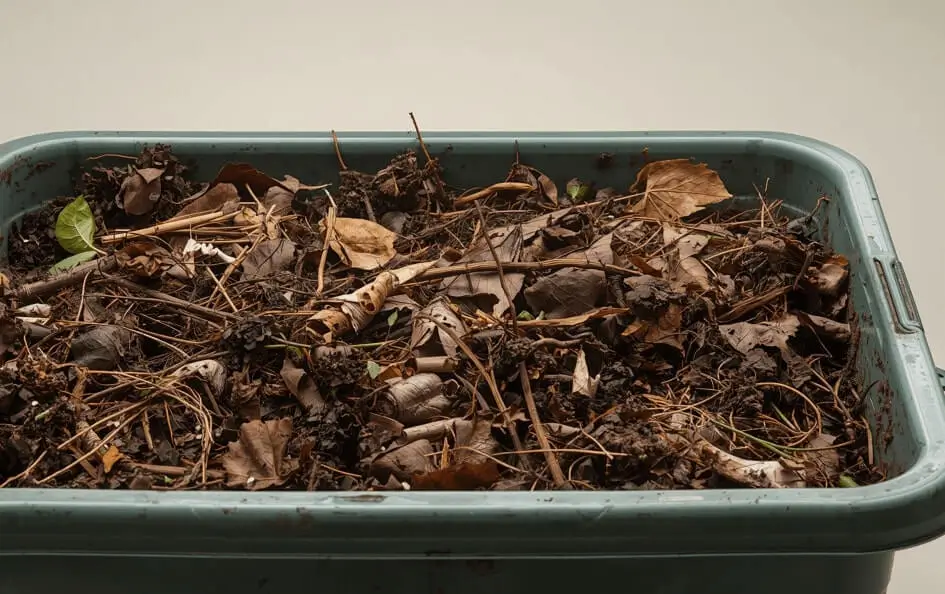
Compost is one of the most valuable ingredients for successful container fruit gardening. It improves soil structure, boosts nutrients, supports healthy root growth, and helps container plants retain moisture without becoming waterlogged. Whether you grow citrus trees, berries, figs, or dwarf fruit trees in pots, adding compost can dramatically improve plant health and fruit production.
Unlike garden soil, container soil loses nutrients quickly because watering flushes minerals out of the pot over time. Compost helps restore those nutrients naturally while feeding beneficial microorganisms that keep roots healthy. It also creates a balanced growing environment that encourages stronger growth, better flowering, and sweeter fruits.
In this complete guide, you’ll learn how compost works in container fruit gardening, the best types of compost to use, how much to add, common mistakes to avoid, and practical tips for maintaining healthy potted fruit plants year-round.
Why Compost Matters for Container Fruit Gardening
Containers Are Nutrient Islands
- Releasing nutrients slowly over time
- Improving water retention without waterlogging
- Feeding soil microbes that unlock nutrients
- Buffering pH fluctuations
Compost vs Fertilizer: Why You Need Both
- Improves soil structure
- Enhances microbial life
- Reduces reliance on synthetic inputs
- Prevents nutrient spikes that stress roots
What Makes Compost Suitable for Containers?
Finished Compost Only (This Is Critical)
- Steal nitrogen from roots.
- Generate excess heat
- Create foul smells
- Attract pests
- Smells earthy, not sour.
- Have a dark, crumbly texture.
- Show no recognizable food scraps.
- Feel cool to the touch.
Texture Matters More Than Nutrients
- Break apart easily
- Drain well when watered.
- Never clump or form sludge.
The Best Compost Types for Container Fruit Gardening
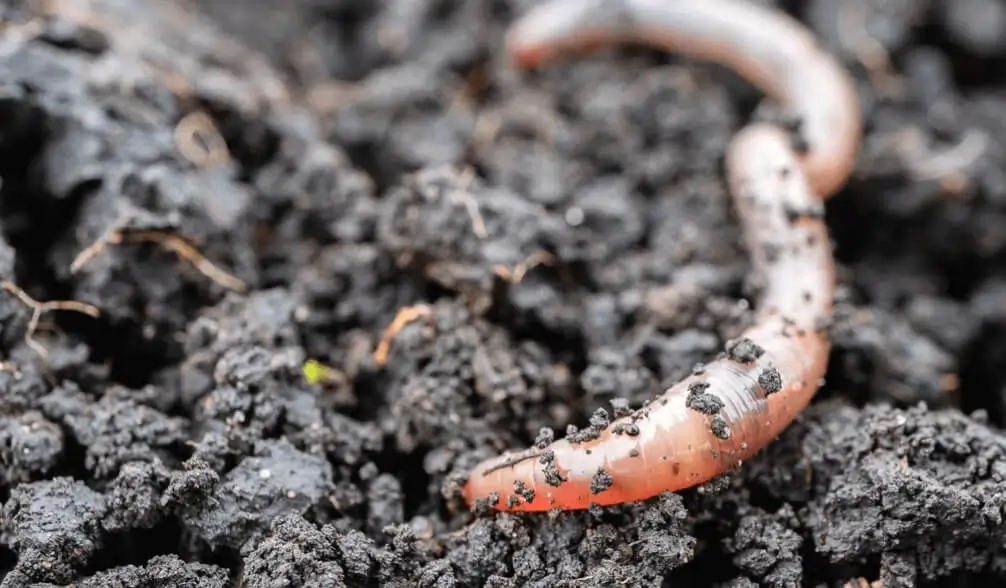
1. Vermicompost (Worm Castings)
- Gentle, balanced nutrition
- Excellent microbial diversity
- Improves root development
- Impossible to burn plants
2. Screened Homemade Compost
- Cost-effective
- Nutrient-rich
- Sustainable
- Texture varies
- Must be screened carefully
3. Commercial Organic Compost
- “Screened”
- “For containers”
- “Fully matured”
How to Mix Compost for Container Fruit Gardening (Step-by-Step)
The Ideal Base Mix Formula
- 40% high-quality potting mix
- 25% finished compost
- 20% aeration material (perlite, pumice, or rice hulls)
- 15% moisture retainer (coco coir or aged bark fines)
Adjusting for Fruit Types
- Citrus: Add extra drainage (5–10% more perlite)
- Berries: Increase compost slightly for shallow roots
- Dwarf apples & pears: Stick closely to the base mix
- Figs: Prefer slightly sandier texture
How Often Should You Add Compost to Containers?
Top-Dressing (Best Method)
- Remove the top 2–3 cm of old soil.
- Add fresh compost
- Water deeply
Compost Tea (Optional Boost)
- Flowering
- Early fruit set
- Post-harvest recovery
Common Compost Mistakes Beginners Make
1. Using Too Much Compost
- Reduces drainage
- Causes root suffocation
- Leads to fungal problems
2. Ignoring Nutrient Balance
3. Reusing Old Compost Without Refreshing
- Lose structure
- Harbour salt buildup
- Lack of active microbes
Compost, Containers, and Drainage: Getting the Balance Right
Container Size Matters
- Pots 30 litres (8 gallons) or larger
- Fabric or breathable containers
- Containers with multiple drainage holes
Tools That Make Compost Use Easier
- Soil sieve (for screening compost)
- Moisture meter (to avoid overwatering)
- Shallow scoop for top-dressing
- Mulch layer (straw or bark)
FAQ: Compost for Container Fruit Gardening
Can I grow fruit trees using compost only?
Is compost better than fertilizer for containers?
How do I know if compost is harming my container plant?
Can I use kitchen compost in pots?
How long does compost last in containers?
Conclusion: Build Better Pots With Compost—The Smart Way
- Fully finished compost
- Balanced mixes (not compost-heavy)
- Regular top-dressing
- Monitoring plant response