
Healthy soil is the foundation of successful container fruit gardening, and worm castings are one of the best natural soil boosters you can use. Rich in beneficial microbes, nutrients, and organic matter, worm castings help potted fruit trees grow stronger roots, greener leaves, and bigger harvests without the risk of harsh chemical buildup. Whether you grow lemons, figs, strawberries, or dwarf apples in containers, adding worm castings can improve soil structure, increase moisture retention, and support long-term plant health. In this complete beginner-friendly guide, you’ll learn how worm castings work, how to apply them correctly, and why they are one of the safest organic fertilizers for fruit trees in pots.
Why Worm Castings Matter for Container Fruit Gardening
Containers Are a Closed System
Unlike in-ground trees, potted fruit trees rely entirely on the soil inside the container. Nutrients leach out with watering, and roots can’t explore beyond the pot. Worm castings help rebuild soil life and keep nutrients available longer.
Gentle Nutrition Without Burning Roots
Worm castings are a slow-release, low-salt organic fertilizer, making them ideal for sensitive container roots. This is especially helpful if you’re also following a balanced feeding routine, as described in Feeding Potted Fruit Trees Step by Step.
Improved Water Retention and Drainage
Good container soil must drain well yet stay moist. Worm castings improve soil texture, helping sandy mixes retain water while loosening compacted soils—perfect when combined with a quality base mix like the one discussed in the best soil for fruit in pots.
Stronger Roots, Healthier Trees
The microbes in worm castings stimulate root growth and improve nutrient uptake. Healthier roots mean:
- Stronger leaf growth
- Better flowering
- Improved fruit set
- Higher resistance to stress and disease
What Are Worm Castings (and Why They’re Different From Compost)
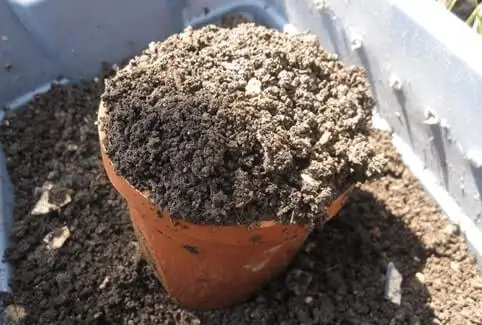
Worm castings are the end product of organic matter digested by earthworms. While compost provides bulk organic material, worm castings are microbially active and immediately beneficial.
Compared to regular compost, worm castings:
- They are richer in beneficial microbes.
- Contain plant-available nutrients
- Have a neutral pH (safe for most fruit trees)
- Work quickly in containers.
If you already use compost in pots, worm castings act as a power booster, not a replacement.
Step-by-Step: How to Use Worm Castings for Fruit Trees in Pots
Step 1: Choose High-Quality Worm Castings
Look for:
- Dark, earthy-smelling castings
- No foul odour (a sign of anaerobic processing)
- Fine, crumbly texture
Avoid castings mixed heavily with peat or fillers.
Step 2: Decide How You’ll Apply Them
Option 1: Mixing Worm Castings Into Potting Soil (Best for New Trees)
When potting or repotting:
- Mix 10–20% worm castings with your regular potting mix.
- Ensure the base mix still drains well.
This works especially well if you’re following a structured approach, like how to start container fruit gardening from scratch.
Option 2: Top Dressing Established Trees (Most Common)
For existing potted fruit trees:
- Remove debris from the soil surface.
- Add 1–2 inches of worm castings on top.
- Gently scratch into the top layer.
- Water thoroughly
This method feeds the tree gradually and activates soil microbes.
Option 3: Worm Casting Tea (Quick Boost)
To make a simple tea:
- Mix 1 cup of worm castings with 1 gallon of water.
- Let it sit for 12–24 hours.
- Use immediately to water the soil.
This is helpful when leaves show early signs, as explained in the signs of nutrient deficiency in fruit trees.
Step 3: Apply at the Right Time
Best times to use worm castings:
- Early spring (growth start)
- After flowering
- Mid-season for heavy fruiting trees
Avoid heavy applications in winter dormancy.
How Much Worm Castings to Use (By Pot Size)
| Pot Size | Worm Castings Amount |
| 5–7 gallons | ½–1 cup |
| 10–15 gallons | 1–2 cups |
| 20–25 gallons | 2–3 cups |
| 30+ gallons | 3–4 cups |
Tip: More is not better—worm castings work through biology, not force-feeding.
Best Fruit Trees for Worm Castings in Containers
Worm castings benefit nearly all potted fruit trees, especially:
- Citrus (lemon, orange, mandarin)
- Fig trees
- Apple and pear (dwarf/rootstock varieties)
- Peach and nectarine
- Pomegranate
- Berry shrubs (blueberry, raspberry—with adjusted soil pH)
For blueberries, combine castings with acidic soil amendments rather than using them alone.
Common Mistakes Beginners Make
1. Using Worm Castings as the Only Soil
Worm castings are not a full potting mix. Always blend or layer them with proper container soil.
2. Overapplying
Too much can:
- Reduce drainage
- Create overly dense soil.
Stick to recommended amounts.
3. Expecting Instant Results
Worm castings work biologically. You’ll see improvement over weeks, not overnight.
4. Ignoring Overall Feeding Strategy
Worm castings complement—but don’t fully replace—balanced nutrition. Pair them with good practices outlined in container fruit gardening tools you actually need (watering tools, soil meters, proper containers).
Worm Castings vs Other Fertilizers for Pots
| Fertilizer Type | Burn Risk | Soil Health | Best Use |
| Synthetic liquid | High | Low | Short-term fixes |
| Granular organic | Medium | Medium | Slow feeding |
| Compost | Low | Medium | Soil structure |
Worm castings | Very low | High | Long-term health |
For beginners, worm castings are among the safest and most forgiving options.
Tools, Soil, and Container Tips for Best Results
- Containers: Ensure drainage holes are clear
- Soil: Use a loose, well-draining base mix
- Watering: Keep soil evenly moist—not soggy
- Mulch: Light organic mulch helps microbes thrive
If you’re building a complete setup, combine this approach with guidance on the best soil for fruit in pots for optimal results.
FAQ: Worm Castings for Fruit Trees in Pots
Can I use worm castings on young fruit trees?
Yes. Worm castings are gentle and safe for seedlings and young trees when used in small amounts.
How often should I apply worm castings?
Every 6–8 weeks during the growing season is ideal for container fruit trees.
Are worm castings better than compost for pots?
They serve different purposes. Compost builds bulk organic matter; worm castings deliver microbes and readily available nutrients. Together, they’re powerful.
Can worm castings replace fertilizer completely?
Not always. For heavy fruiting trees, use worm castings alongside a balanced organic feeding plan.
Do worm castings attract pests?
No. Properly processed castings do not attract pests and often improve soil resilience.
Conclusion: Healthier Potted Fruit Trees Start in the Soil
Using worm castings for fruit trees in pots is one of the smartest, safest upgrades you can make to your container garden. They improve soil life, gently feed trees, and support long-term productivity—without the risks of chemical fertilizers. Start small, apply consistently, and combine worm castings with good soil, proper containers, and smart feeding habits. Your reward will be stronger growth, greener leaves, and better-tasting fruit—right from your patio, balcony, or small garden space.