
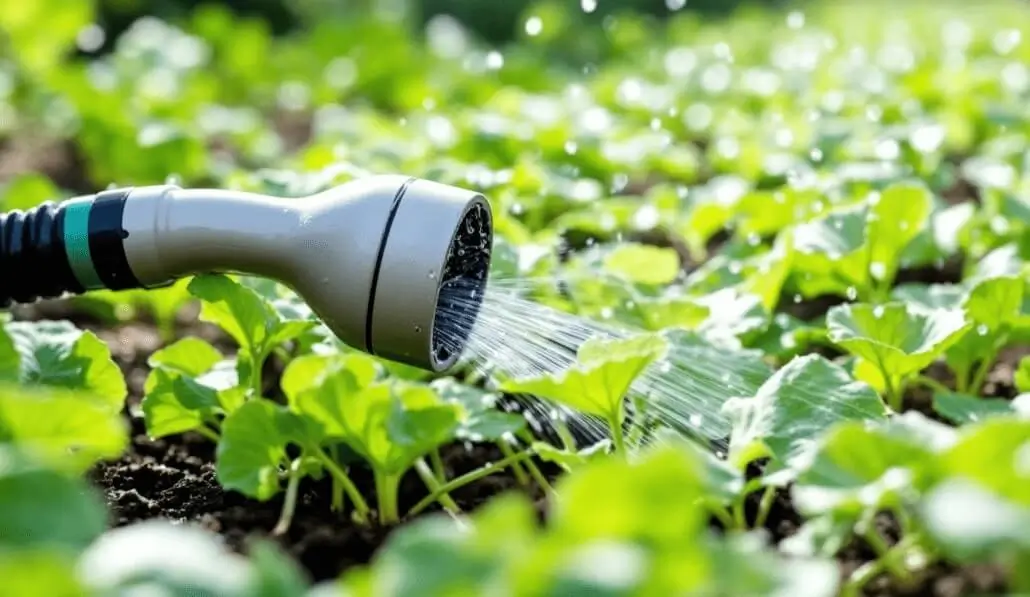
Watering container fruit trees isn’t just about frequency—it’s also about using the right tools. The proper watering tools help ensure even moisture distribution, prevent overwatering, and make your gardening routine easier and more efficient. Whether you’re growing citrus, berries, or dwarf fruit trees, choosing the right equipment can significantly improve plant health and fruit production.
Watering Tools You Need for Healthy Container Fruit Trees
Watering container fruit trees effectively requires more than just a watering can. From moisture meters to drip irrigation systems, the right tools help maintain consistent soil moisture, reduce stress on plants, and support strong root development. In this guide, we’ll explore the essential watering tools every container fruit gardener should have for thriving, productive plants.
Here’s why tools make such a big difference:
- Containers drain faster, especially in warm or windy locations
- Overhead watering can compact soil and splash disease onto leaves
- Hand-guessing moisture often leads to overwatering
- Small-space gardens need efficient, targeted watering
If you’re new to containers, understanding when and how to water is just as important as how much. Our beginner-friendly guide on how to water container fruit trees correctly explains the basics before tools even come into play.
The right tools:
- Reduce water waste
- Protect root health
- Save time during hot seasons
- Improve fruit yield and quality
Watering Tools You Need: The Complete Beginner Toolkit
You don’t need expensive equipment. Start with the essentials below, then upgrade as your garden grows.
1. Watering Can (With a Narrow Spout)
A good watering can is still one of the most important watering tools you need, especially for beginners.
Why it matters
- Allows slow, controlled watering
- Prevents soil erosion in containers
- Ideal for seedlings and young fruit trees
What to look for
- Long, narrow spout (not a shower head)
- Capacity of 5–10 liters (easy to lift)
- Durable plastic or galvanized metal
Pro tip: Water slowly until you see drainage from the bottom. This confirms deep root hydration rather than surface wetting.
2. Garden Hose With Adjustable Nozzle
For multiple containers, a hose saves time—but only if used correctly.
Best nozzle settings
- Gentle stream (avoid jet or mist)
- Low pressure to protect soil structure
Common mistake
Blasting containers with high pressure pushes soil aside and exposes roots. If you’ve struggled with uneven moisture, check our article on common watering mistakes with fruit trees to avoid costly errors.
3. Moisture Meter (Beginner Essential)
If you’re unsure when to water, this is one of the most valuable watering tools you need.
Why moisture meters help
- Removes guesswork
- Prevents overwatering
- Ideal for deep containers
How to use it
- Insert probe halfway down the pot
- Check moisture at root level
- Water only when the meter shows dry-to-medium
This tool pairs perfectly with a structured routine. You can also follow our simple watering checklist for fruit trees to build confidence fast.
4. Drip Irrigation Kit (For Busy Gardeners)
If you manage several containers—or travel often—drip irrigation is a game changer.
Benefits
- Delivers water directly to roots
- Reduces evaporation
- Works well with timers
Best setup for containers
- 2–4 drip emitters per large pot
- Low-pressure system
- Timer set early morning
Drip systems are especially useful in hot climates and exposed rooftops. Learn how environmental factors affect watering in our rooftop fruit tree watering guide.
5. Self-Watering Containers (Optional but Powerful)
Self-watering pots include a built-in reservoir that feeds moisture upward.
Pros
- Maintains steady moisture
- Reduces daily watering
- Great for beginners
Cons
- Can encourage overwatering if misused
- Requires breathable soil mix
Tip: Always leave an air gap between soil and reservoir to prevent root suffocation.
Step-by-Step: How to Use Watering Tools Correctly
Step 1: Check Moisture First
Use your finger or moisture meter. Never water blindly.
Step 2: Water Slowly
Whether using a can or hose, slow watering allows roots to absorb moisture evenly.
Step 3: Water Until Drainage Appears
This flushes salts and ensures full saturation.
Step 4: Adjust by Season
- Summer: frequent, deep watering
- Spring/Fall: moderate intervals
- Winter: minimal, only when soil is dry
Seasonal adjustment is critical—especially for citrus and figs.
Common Watering Tool Mistakes Beginners Make
Even with the right tools, mistakes happen. Avoid these common issues:
- ❌ Using spray nozzles that wet leaves instead of soil
- ❌ Relying only on schedules, not soil moisture
- ❌ Ignoring drainage holes
- ❌ Using drip irrigation without checking flow rates
- ❌ Watering lightly but frequently (encourages shallow roots)
If your trees show yellow leaves or slow growth, review the signs of unhealthy watering habits in your routine.
Soil & Container Tips That Make Watering Easier
Tools work best when paired with the right setup.
Choose the right soil
- Free-draining, airy mix
- Contains compost + perlite
- Avoid heavy garden soil
Use proper containers
- Large enough for root growth
- Multiple drainage holes
- Light-colored pots reduce heat stress
Mulching the surface with bark or straw also reduces evaporation and extends watering intervals.
FAQ: Watering Tools You Need
What is the most important watering tool for beginners?
A moisture meter combined with a narrow-spout watering can gives the best control and prevents overwatering.
Are self-watering pots good for fruit trees?
Yes, if paired with well-draining soil and careful monitoring.
Do I need drip irrigation for containers?
Not mandatory, but highly recommended for multiple pots or hot climates.
How often should I water container fruit trees?
Only when the top 2–3 inches of soil are dry—frequency varies by season and pot size.
Can I overwater even with good tools?
Yes. Tools help, but observation and soil checks are still essential.
Conclusion: Build a Simple, Smart Watering System
Using the watering tools you need isn’t about buying everything—it’s about choosing the right tools for your space and lifestyle. Start with a watering can, add a moisture meter, and upgrade to drip irrigation if needed. Combine these tools with good soil, proper containers, and mindful observation.
Next steps:
- Invest in 1–2 essential tools today
- Test your soil moisture before every watering
- Adjust your routine as seasons change
With the right setup, watering becomes simple—and your container fruit trees will reward you with healthy growth and better harvests. 🌱🍎