
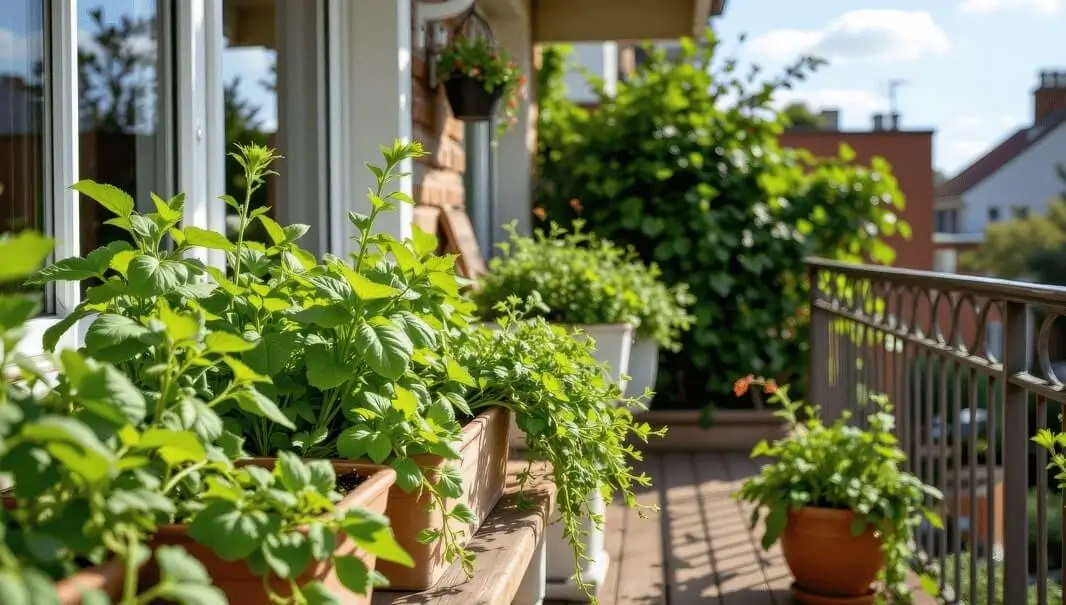
Growing fruit in a rented home or apartment may seem challenging, especially when you don’t have a backyard or permanent gardening space. However, container fruit gardening gives renters the flexibility to grow fresh, healthy fruit almost anywhere — from balconies and patios to sunny windowsills. With portable pots, compact fruit varieties, and renter-friendly setups, you can enjoy harvesting your own fruit without damaging property or breaking lease rules. This guide explains how renters can successfully grow fruit in containers while maximizing small spaces and maintaining mobility.
Why Container Fruit Gardening Matters for Renters
Container fruit gardening isn’t just a workaround—it’s often the best option for renters who want control, flexibility, and consistent results.
You keep full ownership of your plants.
Everything you grow in pots belongs to you. When you move, your fruit trees move too. This is especially valuable for slow-growing fruit trees that improve year after year.
No damage to rental property
Pots eliminate digging, soil modification, or permanent changes. You won’t risk losing a security deposit or violating lease agreements.
Better control over soil and drainage
Store-bought or compacted yard soil is often unsuitable for fruit trees. Containers allow you to create the perfect growing environment from day one. For more details on avoiding waterlogged roots, see our guide on proper drainage for potted fruit trees.
Ideal for small spaces
Balconies, patios, rooftops, and even sunny indoor areas can support fruit production when plants are chosen wisely.
Choosing the Right Fruit Plants for Rental Living
Not all fruit plants are equally renter-friendly. The key is choosing compact, adaptable varieties that thrive in containers.
Best fruit trees and plants for renters
- Dwarf or semi-dwarf apple and pear trees
- Citrus trees (lemon, lime, calamondin)
- Figs (naturally container-tolerant)
- Blueberries and raspberries
- Strawberries (perfect for shallow pots)
If you’re unsure where to start, explore our in-depth breakdown of the best fruit trees for small containers, which focuses on compact growth and long-term productivity.
What to avoid as a renter
- Full-size fruit trees
- Aggressive root systems
- Plants that require in-ground winter protection
Step-by-Step Guide to Container Fruit Gardening for Renters
Step 1: Select lightweight, movable containers
Mobility is essential for renters. Choose containers that are:
- Lightweight (plastic, resin, fabric grow bags)
- Frost-resistant if outdoors year-round
- Equipped with multiple drainage holes
Heavy ceramic or concrete pots can be difficult to move and may damage floors. Our article on lightweight pots for apartment gardening compares the safest and most practical options.
Step 2: Use high-quality potting mix
Never use garden soil in containers. Instead:
- Choose a fruit tree or container-specific mix.
- Ensure good aeration and drainage.
- Refresh the top layer yearly.
Healthy soil reduces disease and dramatically improves fruit yield.
Step 3: Match pot size to plant age
- Young dwarf trees: 10–15 gallons
- Mature container trees: 20–25 gallons
- Berries: 5–10 gallons
Gradual upsizing makes moving easier and reduces root stress.
Step 4: Position for maximum sunlight
Most fruit plants need:
- 6–8 hours of direct sunlight daily
- Protection from strong winds
South- or west-facing balconies usually work best.
Step 5: Water consistently—but correctly
Container plants dry out faster than in-ground ones. Follow a structured routine like the one in our watering schedule for potted fruit plants to avoid stress and fruit drop.
Ongoing Care Tips for Renter-Friendly Fruit Gardens
Fertilizing without mess
Use:
- Slow-release organic fertilizers
- Liquid feeds are diluted for containers.
Avoid granular fertilizers that can spill onto balconies or patios.
Pruning for size control
Light, regular pruning:
- Keeps plants compact
- Encourages fruiting
- Makes moving easier
Avoid heavy pruning during active fruiting.
Seasonal adjustments
Containers respond quickly to temperature changes. In cold climates:
- Move pots closer to the walls.
- Use plant caddies for mobility.
- Bring tender trees indoors when needed.
For year-round planning, our guide to container fruit gardening explains how to adapt to all seasons.
Common Mistakes Renters Make with Container Fruit Gardening
Choosing the wrong container size
Too small = stunted growth.
Too large = heavy, hard to move, and slow soil warming.
Too large = heavy, hard to move, and slow soil warming.
Overwatering
One of the most common beginner errors. Containers need drainage and airflow. Standing water leads to root rot quickly.
Ignoring long-term mobility
Always ask: Can I move this pot by myself?
If not, rethink your setup.
If not, rethink your setup.
Expecting instant harvests
Most fruit trees take 1–2 seasons to produce well. Focus on plant health first.
For a full breakdown of pitfalls, read our article on container fruit gardening mistakes to avoid.
Tools and Accessories That Make Renting Easier
- Plant caddies with wheels for easy movement
- Self-watering containers to reduce maintenance
- Compact pruners for tight spaces
- Drip trays to protect floors and balconies
These tools keep your garden landlord-friendly and low-effort.
FAQ: Container Fruit Gardening for Renters
Can I grow fruit trees on an apartment balcony?
Yes. As long as the balcony gets enough sunlight and can support the container’s weight, many dwarf fruit trees grow very well in pots.
What fruits are easiest for renters to grow?
Strawberries, citrus, figs, and dwarf apples are among the easiest and most forgiving.
Will container fruit trees survive if I move?
Absolutely. One major advantage of container fruit gardening is portability. Gradually move them and keep watering consistently.
Do landlords usually allow container gardening?
Most landlords allow non-damaging container plants. Always check weight limits and drainage rules.
How long do fruit trees live in containers?
With proper care, many fruit trees can thrive in pots for 10–20 years or more.
Conclusion: Build a Portable Fruit Garden That Grows With You
Container fruit gardening for renters is practical, flexible, and surprisingly productive. By choosing compact fruit varieties, lightweight containers, quality soil, and renter-friendly tools, you can enjoy fresh fruit without permanent changes or long-term risk. Start small, focus on mobility, and learn your plants’ needs season by season. Over time, your portable fruit garden can become a long-term investment in healthier food and greener living—no backyard required.
Your next step? Choose one fruit plant, one good container, and start growing this season.