
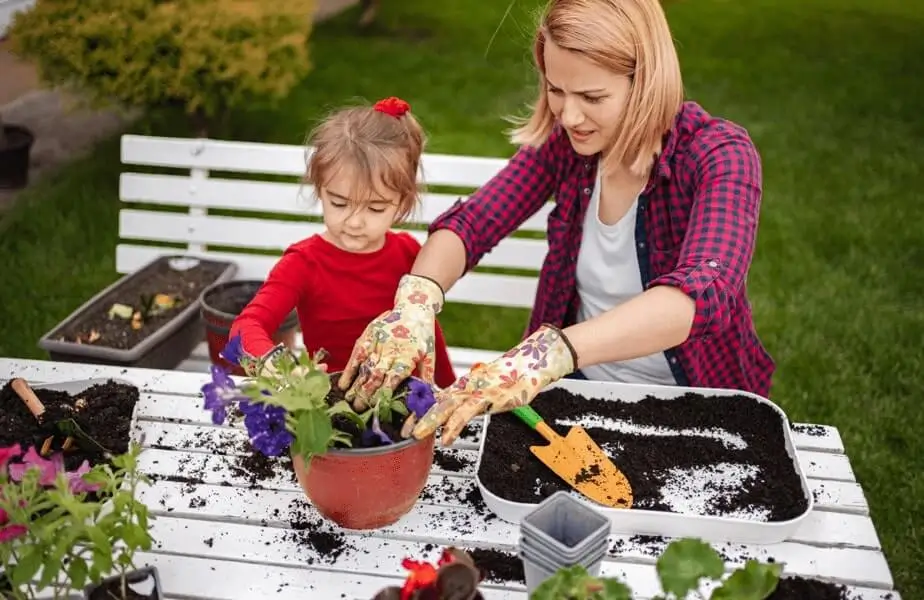
Container fruit gardening for families is a wonderful way to spend time together while growing fresh, healthy food at home. Whether you have a large backyard, a small patio, a balcony, or even a sunny indoor corner, growing fruit in containers makes gardening simple, fun, and accessible for all ages. Families can enjoy planting, watering, harvesting, and learning together while creating lasting memories around nature and healthy living.
One of the biggest advantages of container fruit gardening is flexibility. You do not need a large garden or expensive equipment to get started. Many fruit plants thrive in pots, including strawberries, lemons, blueberries, figs, and dwarf fruit trees. Containers also make it easier to manage soil quality, watering, sunlight exposure, and pests, which is especially helpful for beginners.
Why Container Fruit Gardening for Families Matters
It Makes Fruit Growing Accessible to Everyone
- No digging or permanent garden beds
- Easy relocation if you move homes
- Better control over soil quality and drainage
It Encourages Healthy Eating Habits
- Snack more on fruit they grow themselves
- Learn where food really comes from
- Develop healthier long-term eating habits.
It’s an Educational, Screen-Free Family Activity
- Responsibility (watering and care routines)
- Basic science (growth cycles, pollination, seasons)
- Patience and problem-solving
Best Fruits for Container Fruit Gardening With Kids
Beginner-Friendly Fruits for Families
- Fast-growing and highly rewarding
- Perfect for small hands
- Thrive in shallow containers or hanging baskets.
- Long-lived and attractive shrubs
- Teach patience and seasonal care.
- Excellent for patios and balconies
- Ideal for teaching pruning and fruit development
- Produce real harvests in compact form.
- Great long-term family project
- Evergreen and fragrant
- Fruit often stays on the tree for months.
- Excellent for warmer climates or sunny indoor spaces
Step-by-Step: How to Start Container Fruit Gardening as a Family
Step 1: Choose Safe, Manageable Containers
- Lightweight or on wheels
- Stable (wide base to prevent tipping)
- Made from food-safe materials
- Small fruits (strawberries): 20–30 cm deep
- Berry shrubs: 30–40 cm deep
- Dwarf trees: 40–60 cm deep minimum
Step 2: Use High-Quality Potting Soil
- Choose fruit-specific or high-quality potting mix.
- Ensure excellent drainage
- Consider adding compost for nutrition.
Step 3: Pick the Right Location Together
- Observe where sunlight falls during the day.
- Most fruit needs 6–8 hours of sun.
- Wind protection is important for balconies.
Step 4: Create Simple Care Routines
- Water together in the morning
- Assign weekly observation tasks to kids.
- Rotate containers for even light exposure.
Tools, Containers, and Care Tips for Family-Friendly Success
Essential Tools for Families
- Small watering cans for children
- Hand trowels with rounded edges
- Gloves sized for kids
- Moisture meters (great learning tool)
Feeding Fruit in Containers
- Use slow-release organic fertilizer.
- Supplement with liquid feed during active growth.
- Involve kids in measuring and applying safely.
Seasonal Protection and Comfort
- Mulch to regulate temperature
- Move pots during heatwaves or cold snaps.
- Use pot feet to improve drainage.
Common Mistakes Families Make (and How to Avoid Them)
Choosing Plants That Grow Too Large
- Root crowding
- Poor fruiting
- Frustration over time
Overwatering With Good Intentions
- Teach finger soil tests.
- Water only when the top few centimetres are dry
- Use moisture meters as learning tools.
Expecting Instant Harvests
- Trees may take 1–2 seasons to produce
- Berries increase yield over time.
Ignoring Container Size Upgrades
- Plan to repot every 1–3 years.
- Make repotting a family event.
- Explain root growth visually.
Making Container Fruit Gardening Fun for Kids
Turn Gardening Into Mini Projects
- “Fruit journal” with drawings and notes
- Measuring plant height weekly
- Naming plants
- Taste-testing harvests together
Celebrate Small Wins
- Celebrate first flowers
- Notice bees and pollinators.
- Take progress photos
[…] Dwarf citrus trees […]