

Container fruit trees need different care throughout the year to stay healthy, productive, and long-lasting. Seasonal changes affect watering, feeding, pruning, sunlight exposure, and protection from extreme temperatures. By understanding what your fruit trees need in each season, you can encourage stronger growth, better flowering, and larger harvests while avoiding common problems like root stress, pests, and nutrient deficiencies. This complete guide explains how to care for container fruit trees year-round so your potted orchard can thrive in every season.
Why Seasonal Care Matters for Container Fruit Trees
Container fruit trees live in a much more controlled—and fragile—environment than those planted in the ground. Their roots are confined, soil nutrients deplete faster, and temperature changes affect them more quickly.
Key reasons seasonal care is essential:
- Root health depends on timing (repotting, feeding, and watering vary by season)
- Flowering and fruiting are seasonal processes.
- Stress builds faster in pots due to heat, cold, and water imbalance.
- Mistakes compound quickly in containers.
Ignoring seasonal needs often leads to problems like slow growth, fruit drop, or trees that look healthy but never produce. If you’ve noticed these symptoms, you may want to review common container fruit gardening mistakes to avoid, to understand how timing plays a major role.
Spring Care: Preparing for Growth and Flowering
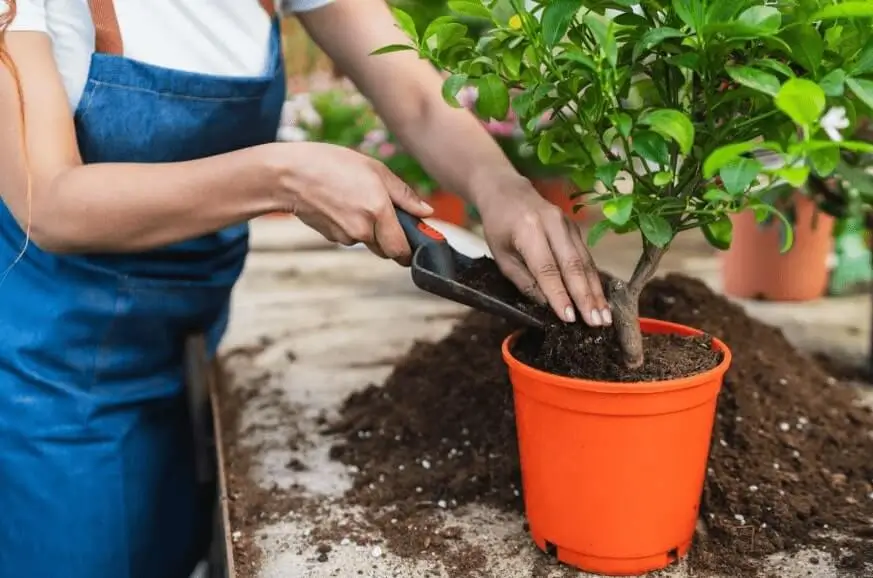
Spring is the most important season for container fruit trees. This is when roots wake up, new growth begins, and flower buds form.
1. Inspect and Repot If Needed
Early spring—just before active growth—is the safest time to repot.
- Move up only one pot size.
- Refresh old soil with a well-draining fruit tree mix.
- Loosen circling roots gently.
If you’re unsure how to do this safely, follow a detailed guide on how to repot fruit trees correctly without root shock.
2. Resume Feeding Gradually
Start fertilizing once you see new leaves.
- Use a balanced, slow-release fertilizer.
- Avoid high nitrogen early if the tree is mature and flowering.
- Supplement with compost or worm castings
3. Adjust Watering
As temperatures rise:
- Water deeply, not frequently
- Allow the top inch of soil to dry between watering.
- Ensure drainage holes are clear.
Poor drainage in the spring often causes root rot later. These drainage tips for container fruit trees can prevent long-term problems.
4. Support Pollination
Balcony-grown trees may lack pollinators.
- Hand-pollinate with a soft brush.
- Place trees outdoors during bloom if possible.
Summer Care: Managing Heat, Water, and Fruit Load
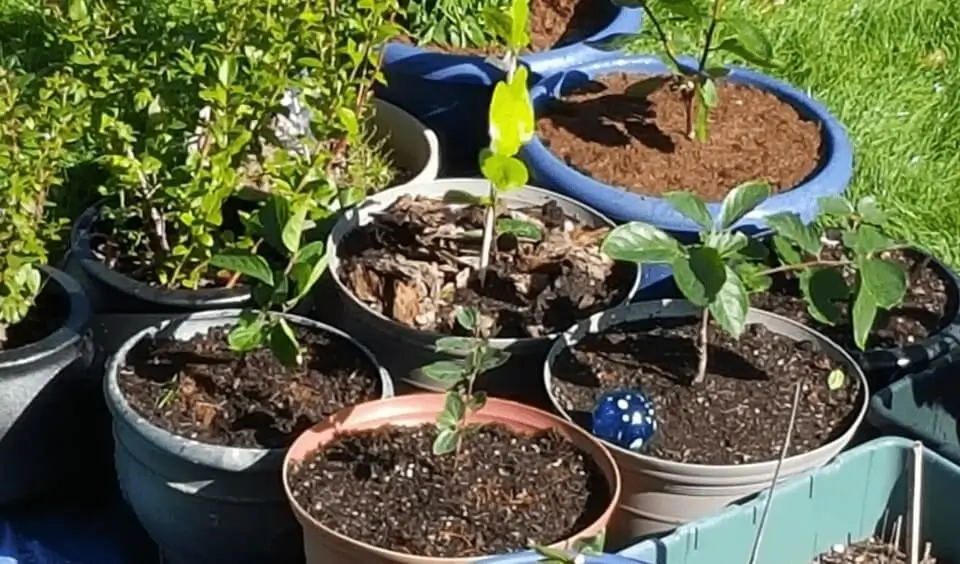
Summer is about stress management. Heat, sun, and fruit development all demand extra care.
1. Water Consistently
Container trees can dry out in hours during heat waves.
- Water early morning
- Check moisture daily
- Never let pots fully dry out.
Inconsistent watering is a major reason for fruit drop and slow growth. If your tree struggles, review why fruit trees grow slowly in containers.
2. Protect Roots from Heat
Roots overheat faster than leaves.
- Shade pots (not foliage)
- Use light-colored or insulated containers.
- Mulch the soil surface.
Choosing the best containers for balcony fruit trees can significantly reduce summer stress.
3. Thin Excess Fruit
Too much fruit weakens container trees.
- Remove small or crowded fruits.
- Focus energy on fewer, better-quality fruits.
- Prevent branch breakage
4. Continue Feeding (Lightly)
- Use liquid fertilizer every 2–4 weeks.
- Reduce nitrogen once fruits start sizing.
Fall Care: Strengthening Trees for Dormancy
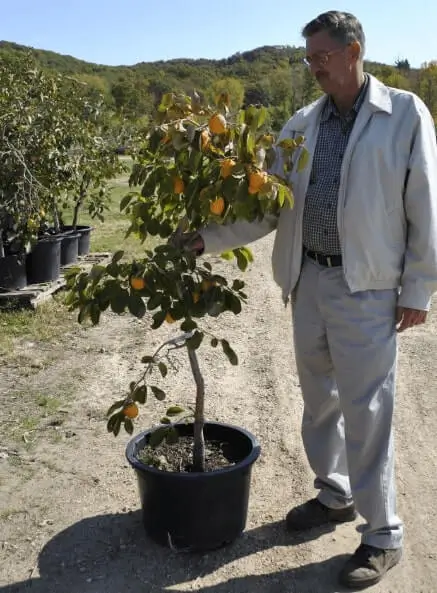
Fall is about preparation, not growth.
1. Reduce Fertilization
Stop fertilizing 6–8 weeks before frost.
- Prevent soft, vulnerable new growth.
- Allow wood to harden before winter.
2. Adjust Watering
- Water less frequently
- Keep soil lightly moist, never soggy.
3. Harvest Properly
Leaving overripe fruit on the tree drains energy.
- Harvest promptly
- Remove damaged or diseased fruit.
4. Inspect for Pests
Clean leaves and soil surface.
- Remove fallen debris
- Treat pests before bringing trees indoors.
Winter Care: Protecting Container Trees from Cold
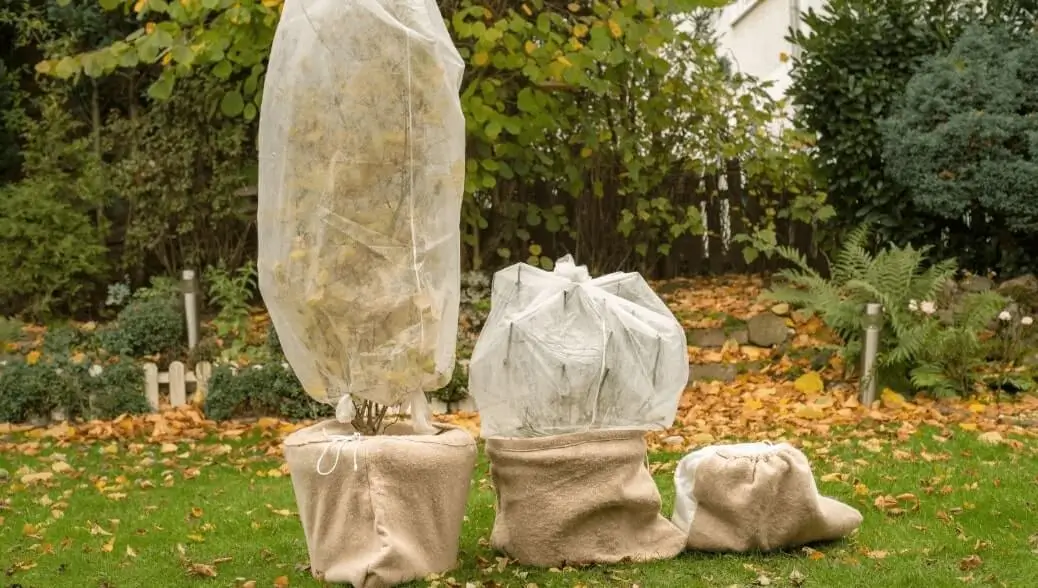
Winter is the most dangerous season for container fruit trees—especially roots.
1. Know Your Tree’s Cold Tolerance
- Citrus and tropical trees need frost protection.
- Hardy trees still need root insulation.
If you grow indoors, confirm whether fruit trees can be grown successfully year-round in apartments.
2. Protect Roots First
- Wrap pots with burlap or insulation.
- Elevate containers off cold ground.
- Group pots together for warmth
3. Reduce Watering
- Water sparingly
- Avoid cold, wet soil.
4. Provide Light Indoors
For indoor overwintering:
- Place near bright windows
- Supplement with grow lights if needed
- Avoid heat vents and drafts.
Common Seasonal Mistakes Beginners Make
Many container fruit tree problems come from doing the right thing at the wrong time.
Common mistakes include:
- Repotting in summer heat
- Fertilizing during winter dormancy
- Overwatering in cold weather
- Ignoring drainage year-round
- Letting trees carry too much fruit
These issues often explain why fruit trees don’t produce fruit in pots, even when they look healthy.
Essential Tools, Soil & Supplies for Seasonal Success
Having the right setup simplifies year-round care.
Must-haves:
- Well-draining fruit tree potting mix
- Containers with large drainage holes
- Slow-release fertilizer
- Liquid feed for summer
- Mulch (bark or straw)
- Insulation material for winter
Choosing lightweight, insulated pots can make seasonal movement easier—especially on balconies or patios.
FAQ: Seasonal Care for Container Fruit Trees
How often should I water container fruit trees by season?
Spring and fall: moderate watering.
Summer: daily or every other day.
Winter: minimal, only when the soil is dry.
Summer: daily or every other day.
Winter: minimal, only when the soil is dry.
Can I fertilize fruit trees all year?
No. Fertilize from spring to mid-summer only. Stop in fall and winter.
Should I prune container fruit trees seasonally?
Yes. Light pruning in late winter or early spring is best.
Do container fruit trees need winter dormancy?
Temperate trees do. Citrus and tropical trees rest but still need light and minimal care.
Is seasonal care different for dwarf trees?
The principles are the same, but dwarf trees dry out and deplete nutrients faster.
Conclusion: A Simple Seasonal Plan for Long-Term Success
Seasonal care for container fruit trees isn’t complicated—but it must be timely and intentional. By adjusting watering, feeding, protection, and maintenance with each season, you prevent stress, support healthy roots, and dramatically improve fruit production.
Next steps:
- Review your tree’s current season.
- Adjust care in accordance with the guidelines above.
- Fix drainage, container size, or feeding issues early.
- Observe and adapt—container trees respond quickly.
With consistent seasonal care, even small-space gardeners can enjoy strong, productive fruit trees year after year 🌱🍎