
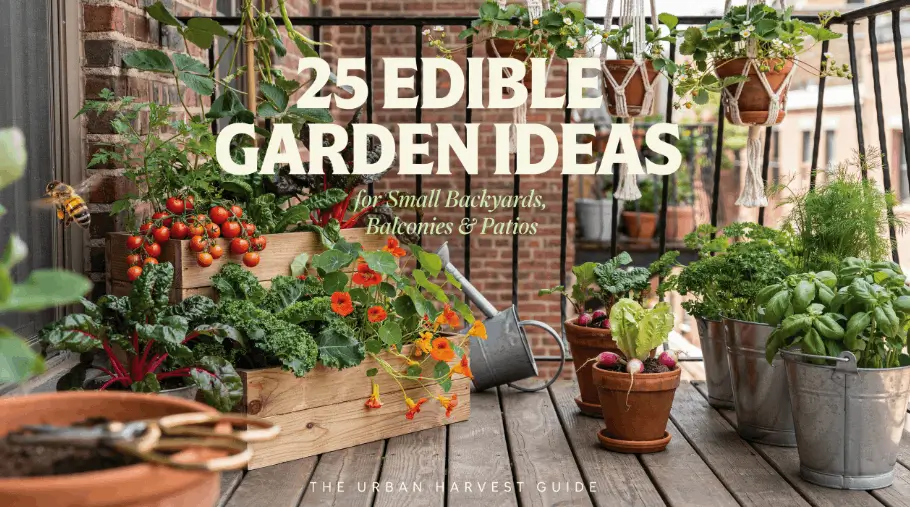
Many people assume they need a large backyard to grow fresh food. In reality, even the smallest balcony, patio, or compact backyard can become a productive edible garden with the right planning.
An edible garden combines beauty and functionality by growing fruits, vegetables, herbs, and edible flowers in available spaces. Whether you have a sunny balcony, a small patio, or a narrow backyard, there are countless ways to produce fresh harvests without sacrificing space.
This guide shares 25 practical edible garden ideas that help beginners maximize growing space, increase harvests, and create an attractive garden that provides food throughout the year.
Why Create an Edible Garden in a Small Space?
Small-space edible gardening offers several benefits:
- Fresh, homegrown produce
- Better control over growing conditions
- Reduced grocery costs
- Improved use of limited outdoor space
- Beautiful and functional landscaping
- Easy access to herbs, fruits, and vegetables
The key is choosing space-efficient growing methods that make every square foot productive.
1. Grow Fruit Trees in Large Containers
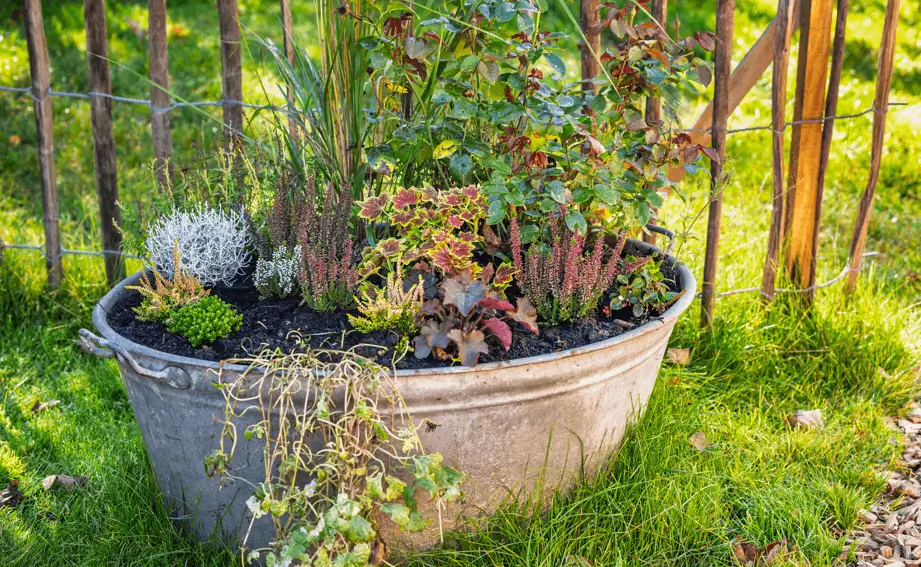
Fruit trees don’t need a traditional orchard.
Many compact varieties thrive in containers, including:
- Dwarf lemon trees
- Dwarf lime trees
- Dwarf peach trees
- Fig trees
- Apple trees on dwarf rootstocks
Choose containers at least 15–25 gallons in size and place them where they receive plenty of sunlight.
2. Create a Vertical Herb Wall
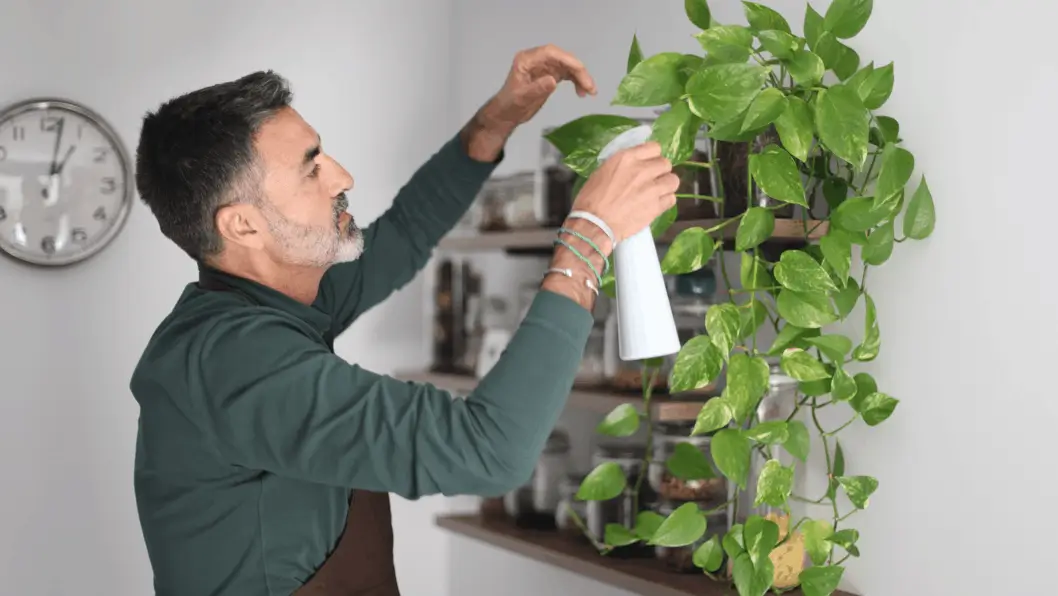
A vertical herb garden turns unused wall space into a productive growing area.
Good herbs for vertical gardens include:
- Basil
- Parsley
- Mint
- Chives
- Oregano
- Thyme
Vertical systems work especially well on balconies where floor space is limited.
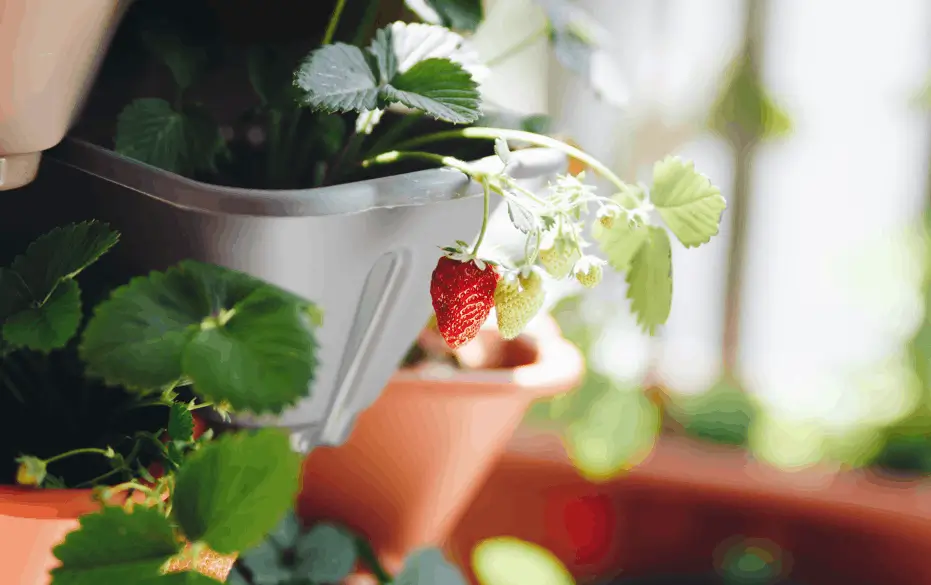
3. Use Hanging Strawberry Baskets
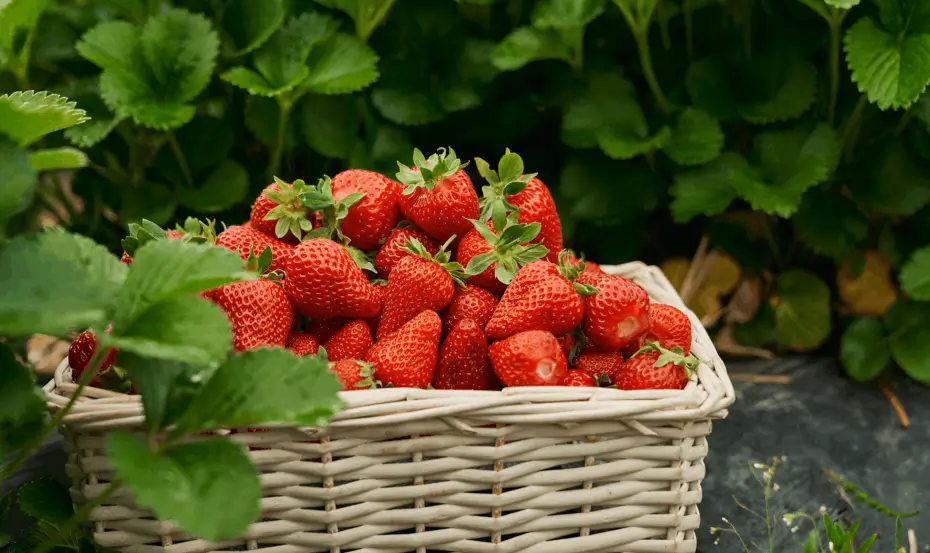
Strawberries naturally trail over container edges.
Benefits include:
- Space savings
- Easier harvesting
- Better airflow
- Reduced fruit rot
Hang baskets near railings, patios, or sunny walls.
4. Install Tiered Planters
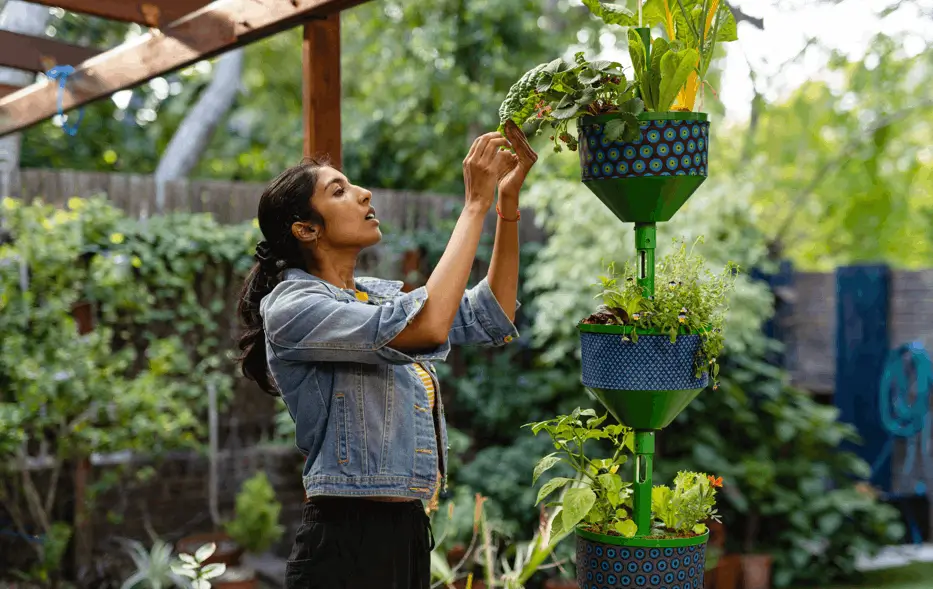
Tiered planters allow multiple crops to grow in one footprint.
Plant combinations such as:
- Lettuce on top
- Herbs in the middle
- Trailing strawberries on lower levels
This approach dramatically increases productivity in small areas.
5. Grow Tomatoes in Containers
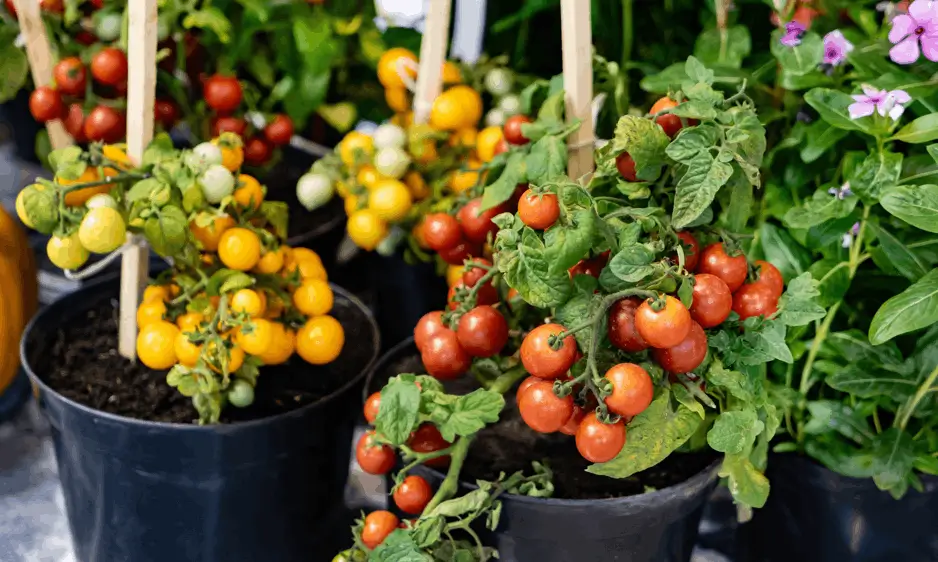
Tomatoes are among the most rewarding edible garden crops.
Choose:
- Patio tomatoes
- Cherry tomatoes
- Determinate varieties
Use sturdy stakes or cages to support growth.
6. Build a Raised Bed Kitchen Garden
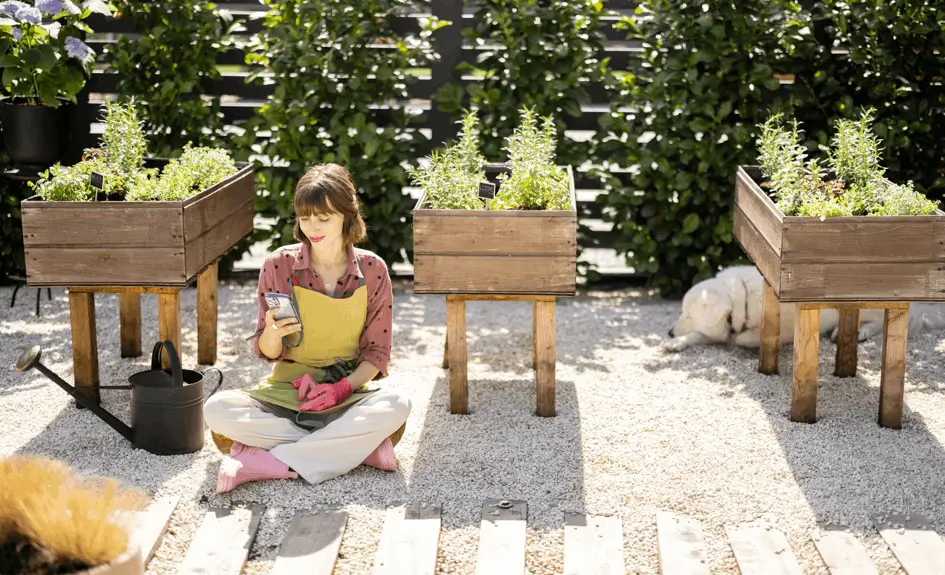
Even a single raised bed can produce a surprising amount of food.
Popular crops include:
- Lettuce
- Carrots
- Radishes
- Spinach
- Green onions
Raised beds improve drainage and make gardening easier to manage.
7. Train Grapes Along a Trellis
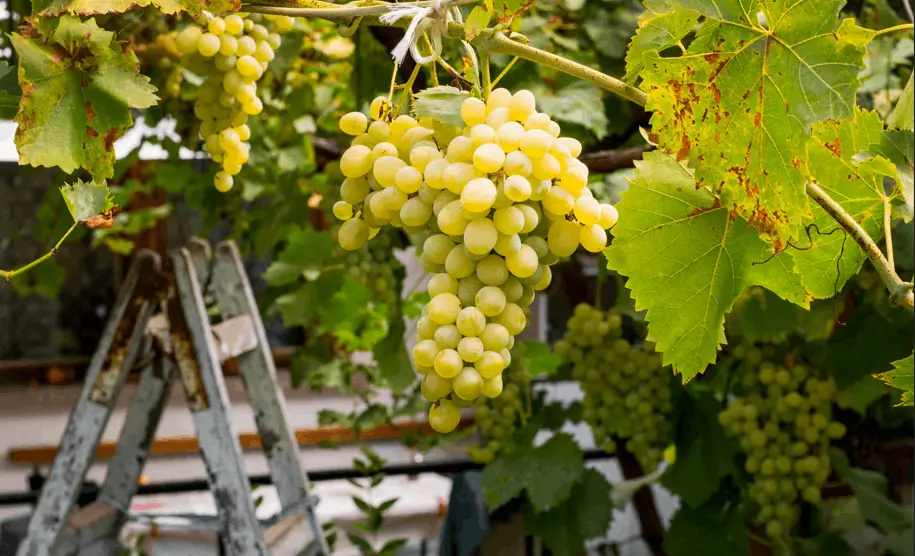
A vertical grape trellis transforms fences and walls into productive growing spaces.
Benefits:
- Saves ground space
- Provides shade
- Produces fresh fruit
- Creates visual interest
Choose compact grape varieties for small gardens.
8. Plant Blueberries in Decorative Pots
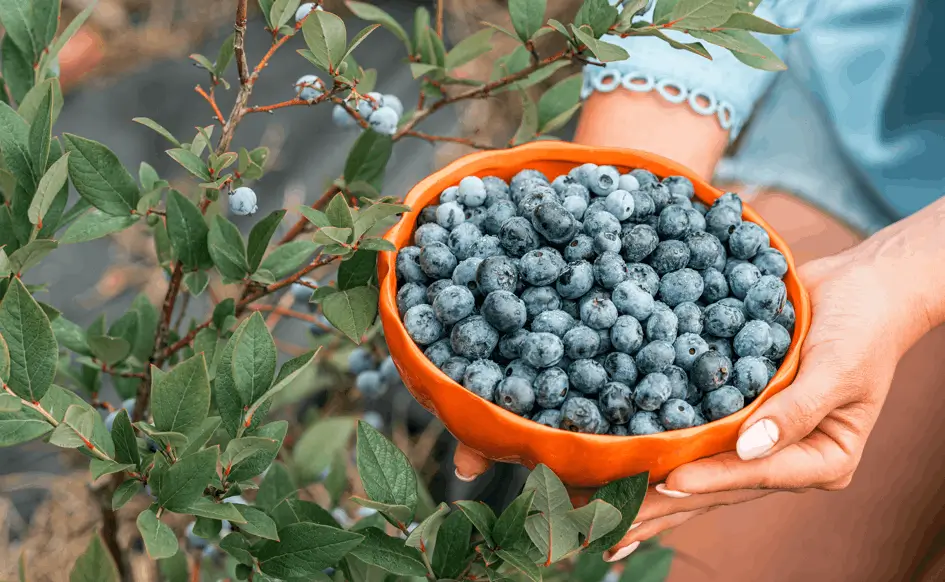
Blueberries combine ornamental beauty with edible harvests.
Their features include:
- Attractive foliage
- Spring flowers
- Colorful berries
- Excellent container performance
Use acidic soil for best results.
9. Create an Edible Privacy Screen
Replace ornamental privacy plants with edible alternatives.
Options include:
- Columnar apple trees
- Trellised blackberries
- Grapevines
- Tall herbs
You gain privacy while producing food.
10. Grow Salad Greens in Window Boxes
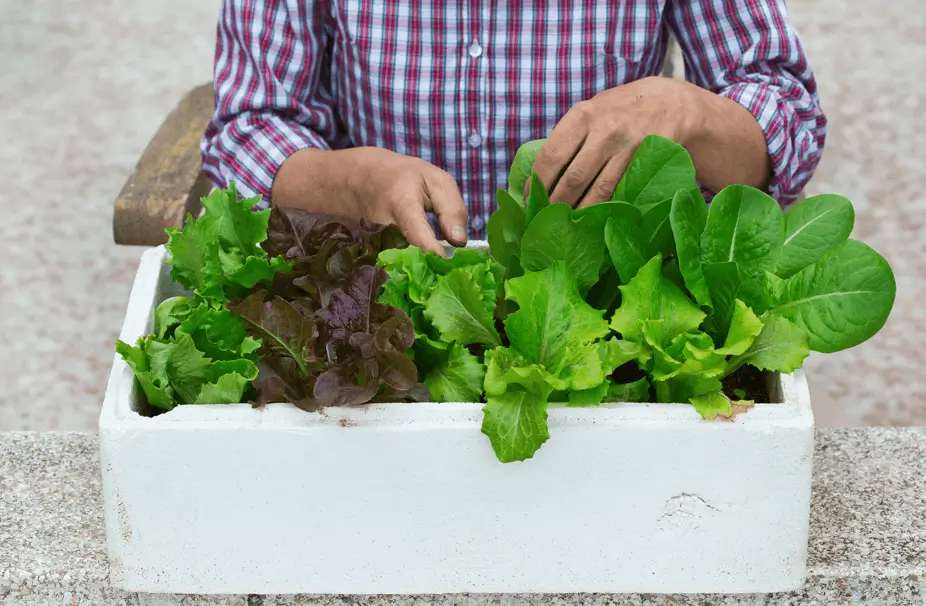
Window boxes are perfect for:
- Lettuce
- Arugula
- Spinach
- Baby kale
Because these crops mature quickly, they provide continuous harvests throughout the growing season.
11. Use Stackable Planters
Stackable systems maximize vertical space.
Ideal crops include:
- Strawberries
- Herbs
- Lettuce
- Spinach
These planters work especially well for apartment balconies.
12. Plant Edible Flowers
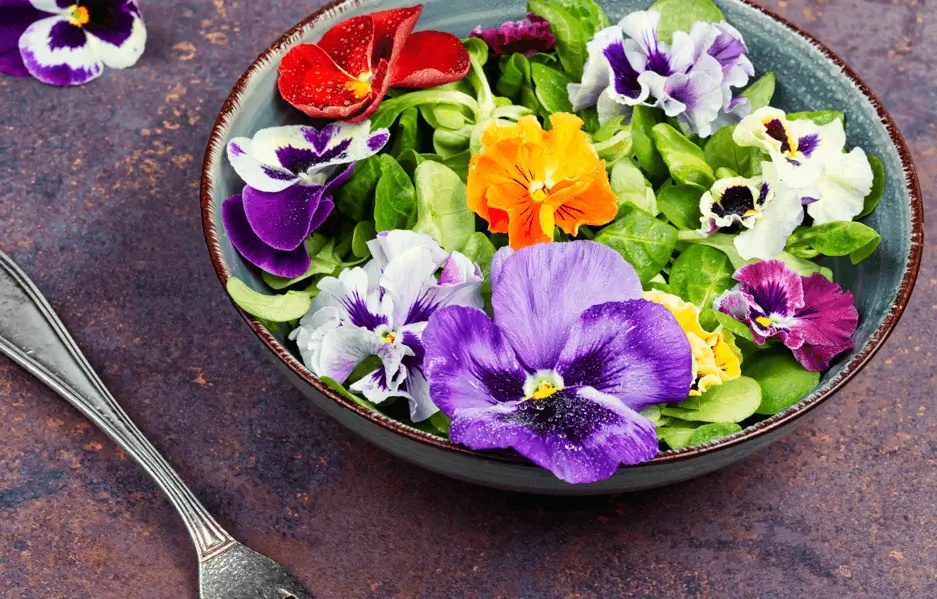
Edible flowers add beauty and variety to meals.
Popular choices:
- Nasturtiums
- Calendula
- Violas
- Pansies
They also attract pollinators that improve fruit production.
13. Grow Dwarf Citrus Trees
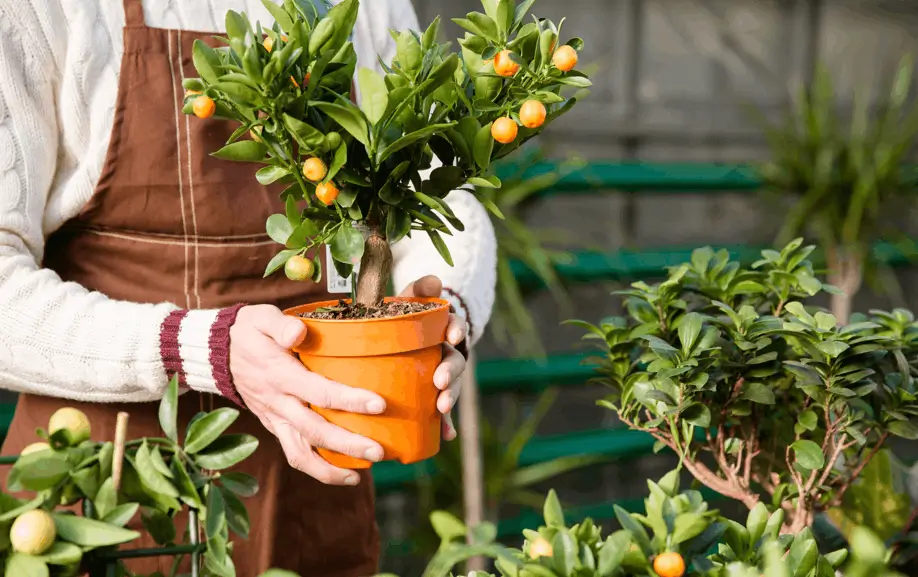
Citrus trees are among the best edible plants for patios.
Good options include:
- Lemon
- Lime
- Kumquat
- Calamondin orange
Their fragrant blossoms and colorful fruit make them attractive focal points.
14. Create a Container Berry Garden
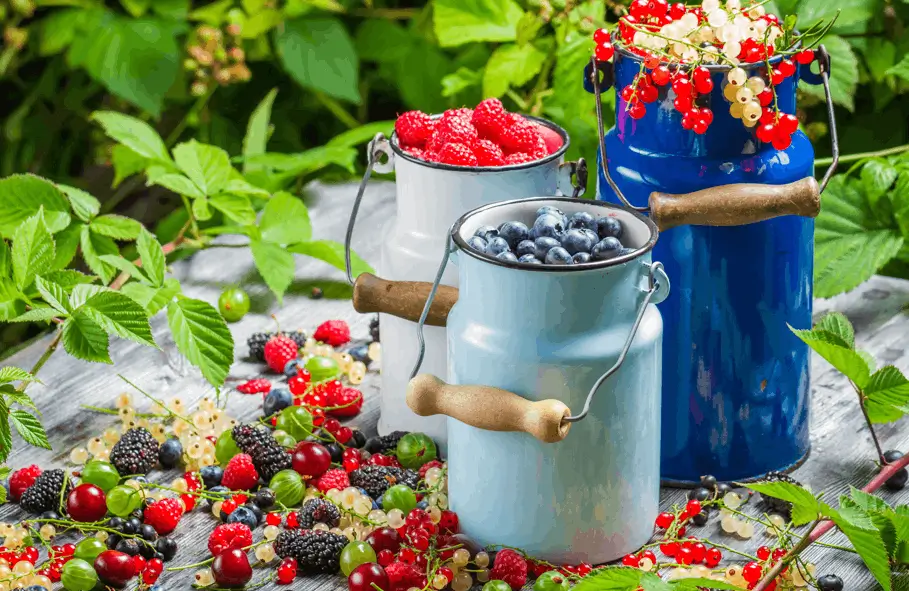
Grow multiple berry plants together in containers.
Examples:
- Strawberries
- Blueberries
- Raspberries
- Blackberries
Grouping berry plants creates a productive mini-fruit garden.
15. Use Balcony Rail Planters
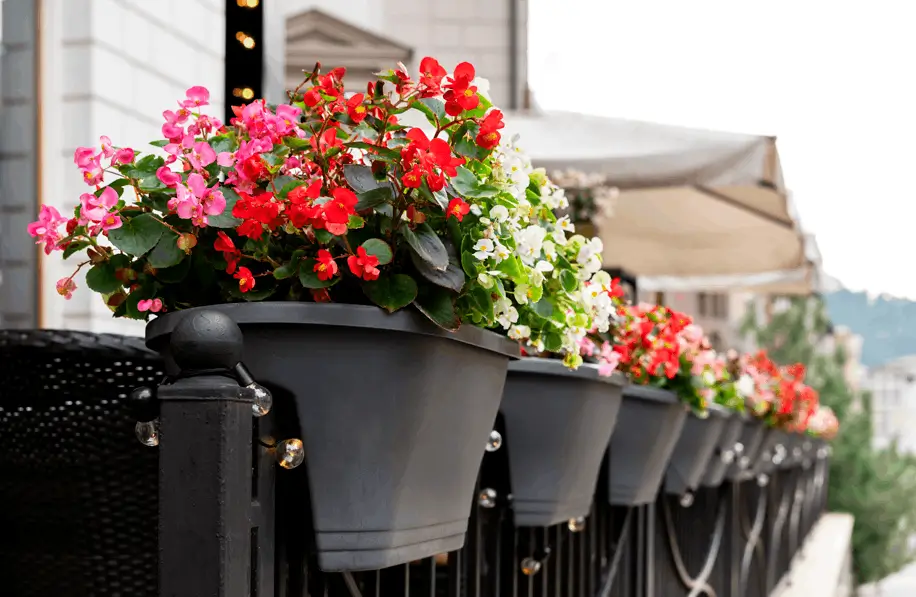
Balcony rail planters provide growing space without taking up floor area.
Great crops include:
- Herbs
- Lettuce
- Strawberries
- Dwarf peppers
This is one of the simplest ways to expand a balcony garden.
16. Plant a Herb Spiral
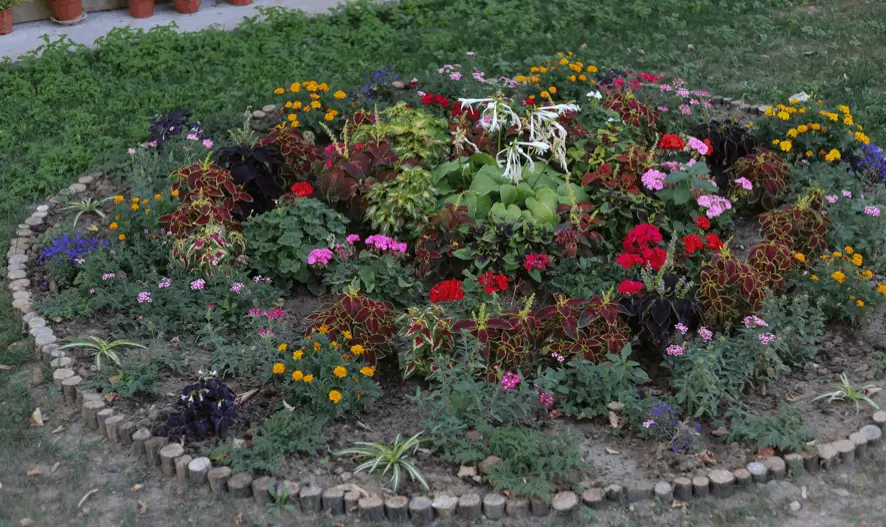
A herb spiral creates multiple growing environments in a compact area.
Popular plants include:
- Rosemary
- Thyme
- Sage
- Parsley
- Basil
The design improves drainage and increases planting space.
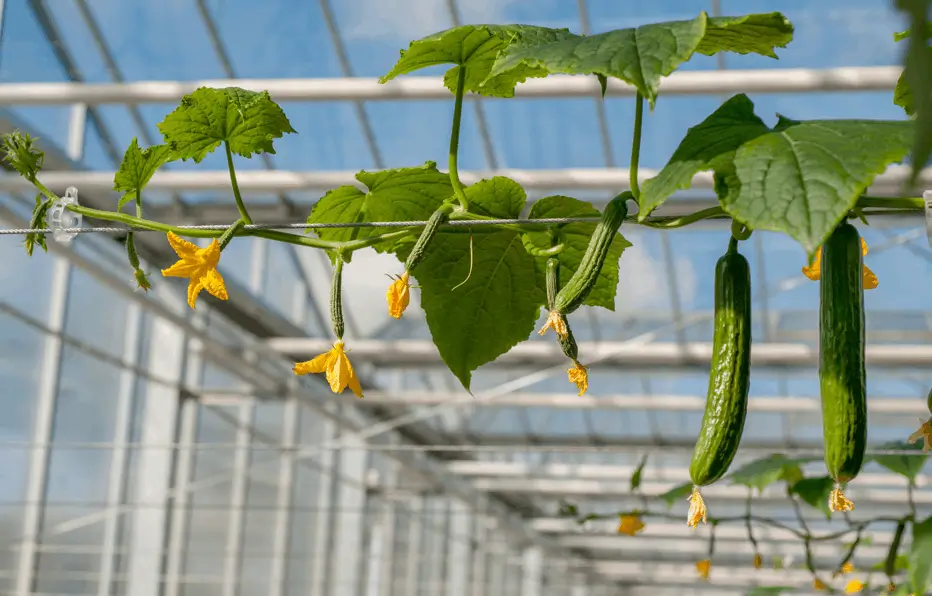
17. Grow Cucumbers Vertically
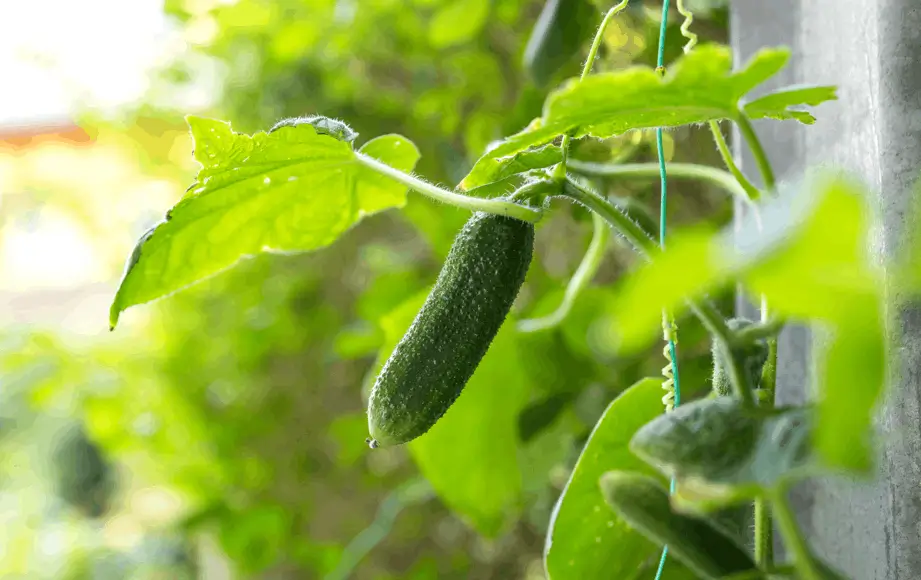
Vertical cucumber growing saves significant space.
Benefits:
- Easier harvesting
- Better airflow
- Cleaner fruit
- Reduced disease pressure
Use a trellis or netting for support.
18. Add Mobile Container Gardens
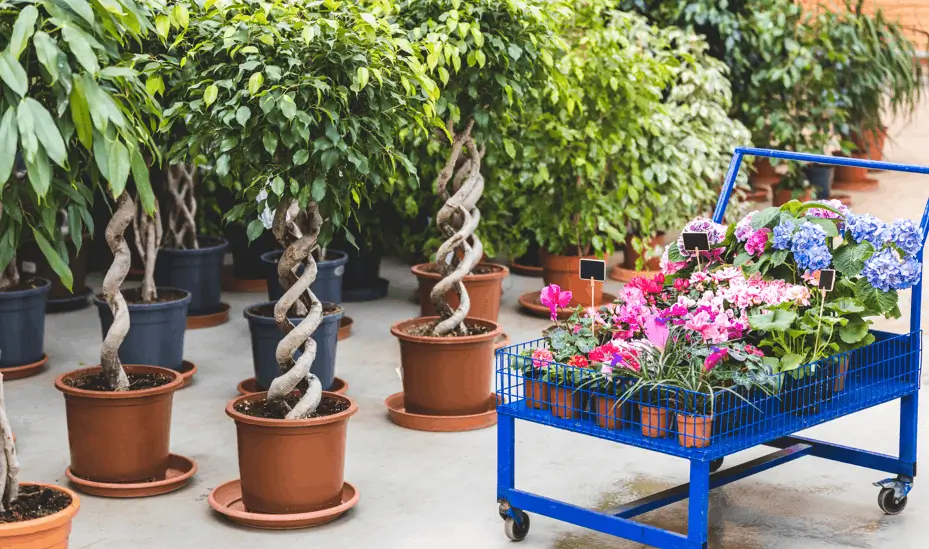
Containers on rolling platforms offer flexibility.
You can:
- Move plants into sunlight
- Protect crops during bad weather
- Rearrange your garden layout
This is particularly useful for patios with changing light conditions.
19. Create an Edible Border
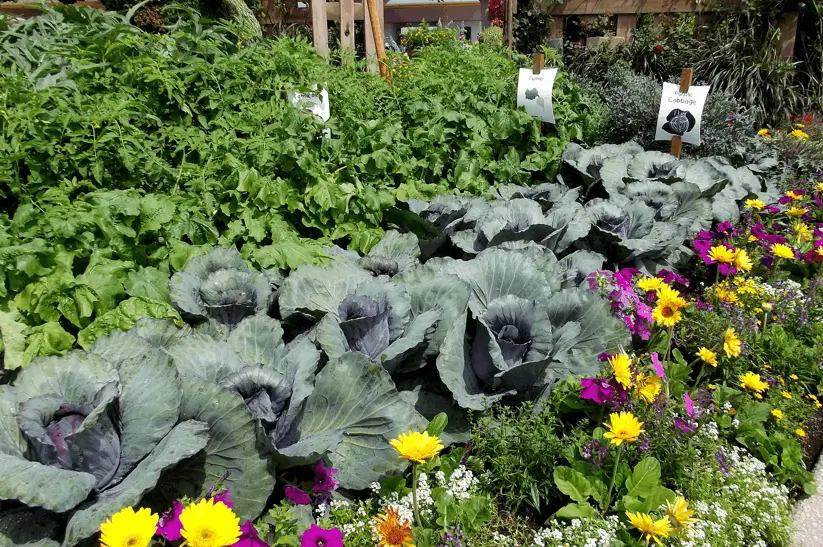
Instead of decorative-only borders, use edible plants.
Suitable choices include:
- Chives
- Kale
- Swiss chard
- Strawberries
- Thyme
These plants provide both beauty and harvests.
20. Use Pocket Planters
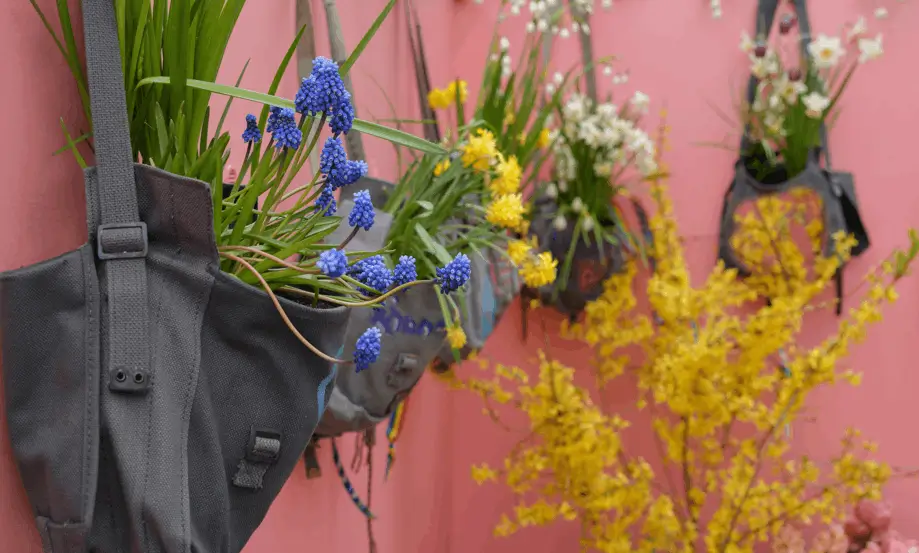
Pocket planters attach to fences and walls.
Best crops include:
- Herbs
- Lettuce
- Spinach
- Strawberries
They transform vertical surfaces into productive growing areas.
21. Plant Compact Fig Trees
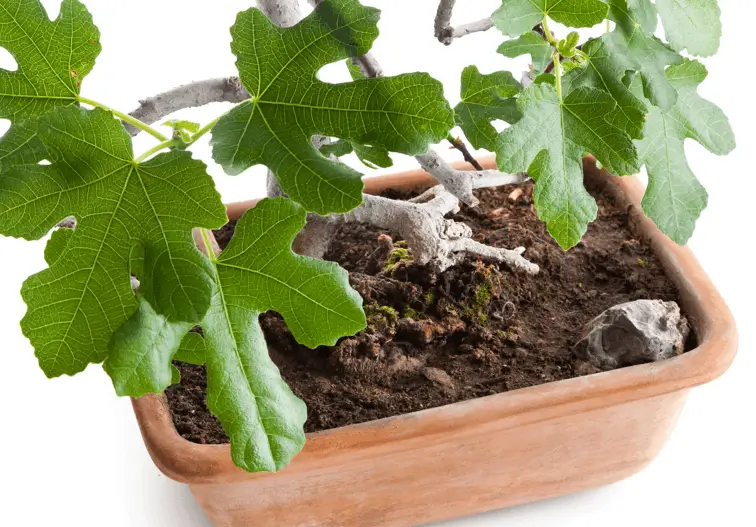
Fig trees perform exceptionally well in containers.
Advantages:
- High productivity
- Attractive foliage
- Easy maintenance
- Suitable for patios
Many varieties remain manageable in large pots.
22. Grow Microgreens Year-Round
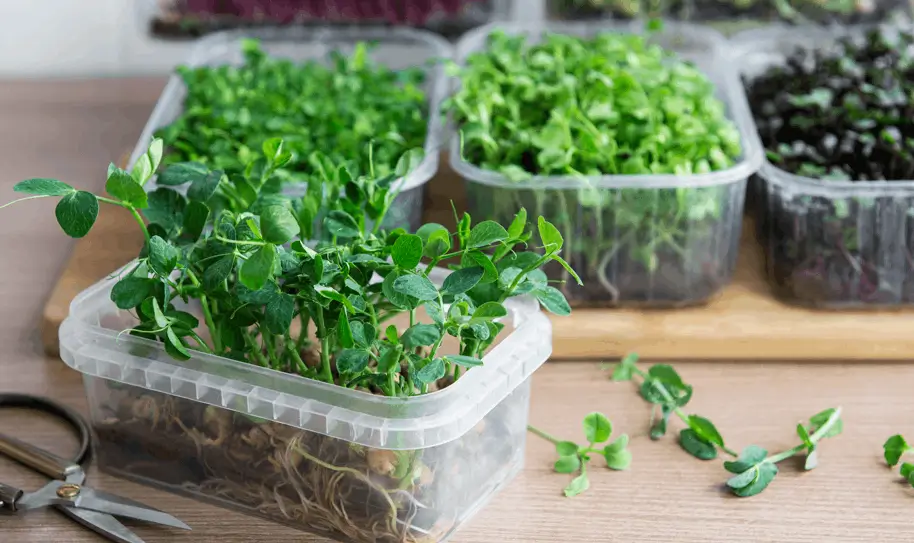
Microgreens are ideal for gardeners with limited space.
Common varieties:
- Radish
- Broccoli
- Pea shoots
- Sunflower shoots
They grow quickly and require minimal room.
23. Combine Ornamentals and Edibles
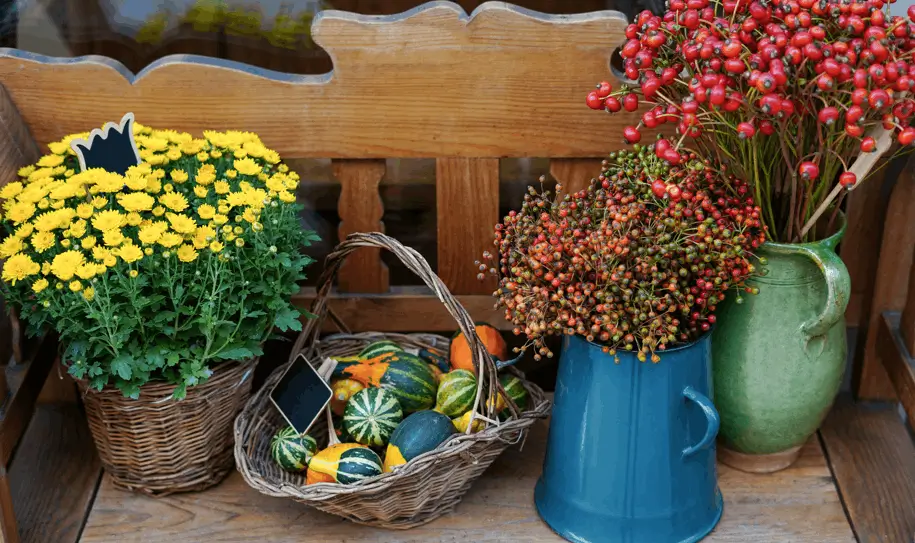
Blend food-producing plants with decorative plants.
Examples:
- Purple basil
- Rainbow chard
- Blueberry shrubs
- Strawberries
This creates an attractive landscape that also provides harvests.
24. Install a Vertical Strawberry Tower
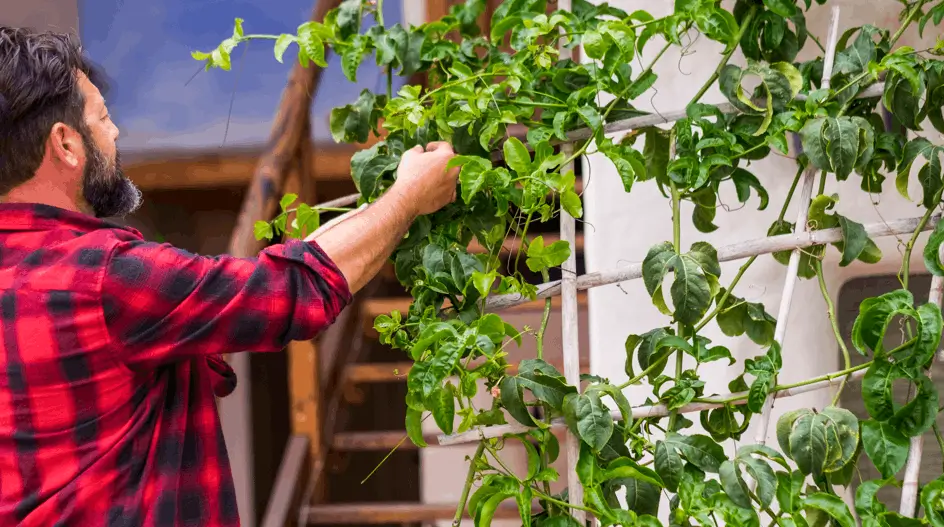
Strawberry towers allow dozens of plants to grow in a very small footprint.
Benefits include:
- Increased yields
- Better airflow
- Easy harvesting
- Efficient water use
They are excellent for patios and balconies.
25. Design a Mini Orchard for Small Spaces
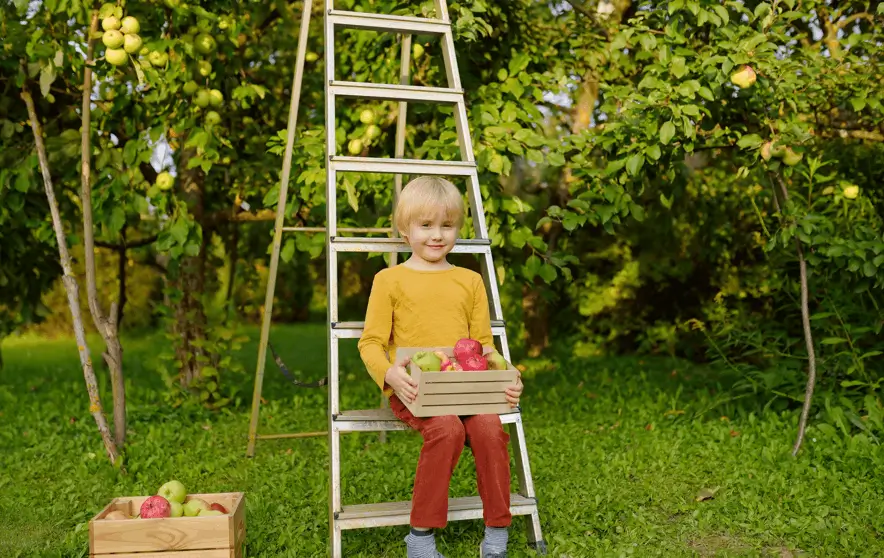
A compact backyard can support several fruit trees.
Consider planting:
- Dwarf apple trees
- Dwarf pear trees
- Peach trees
- Citrus trees
Proper spacing and container growing allow multiple trees in surprisingly small areas.
Common Mistakes to Avoid
Choosing Plants That Grow Too Large
Always select compact, patio, dwarf, or container-friendly varieties whenever possible.
Ignoring Sunlight Requirements
Most fruits and vegetables require at least six hours of sunlight daily.
Observe your space before choosing crops.
Overcrowding Containers
Too many plants compete for:
- Water
- Nutrients
- Root space
Follow recommended spacing guidelines.
Using Small Containers
Larger containers hold moisture longer and support healthier root systems.
Forgetting Regular Feeding
Container-grown plants depend on gardeners for nutrients and often require more frequent fertilization than garden-grown plants.
How to Get the Most Harvest from a Small Edible Garden
To maximize productivity:
- Grow vertically whenever possible
- Use dwarf fruit trees
- Succession plant fast-growing crops
- Combine ornamental and edible plants
- Choose high-yield varieties
- Utilize walls, railings, and fences
- Grow multiple crops in layered plantings
- Use containers of different heights
These strategies help transform even the smallest space into a productive edible garden.
Conclusion
Creating an edible garden in a small backyard, balcony, or patio is easier than many beginners realize. With thoughtful planning, vertical growing techniques, containers, and compact fruit varieties, limited space can produce an impressive harvest.
Whether you start with a single strawberry basket, a dwarf fruit tree, or a collection of herbs in containers, every small step contributes to a more productive and rewarding garden. By using these 25 edible garden ideas, you can enjoy fresh fruits, herbs, and vegetables while making the most of every square foot available.