
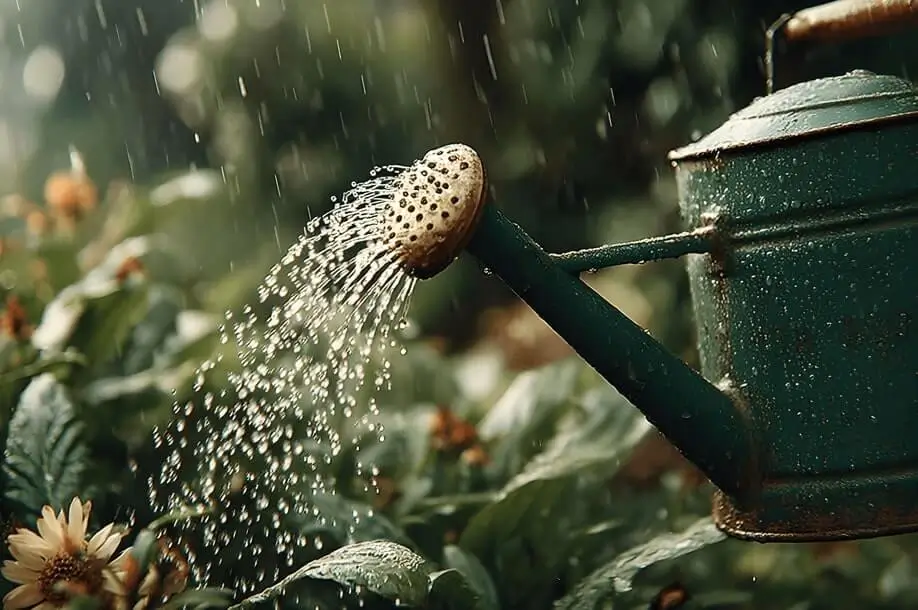
Choosing the right water source is one of the most important parts of successful container fruit gardening. Many beginners wonder whether rainwater or tap water is better for healthy plant growth, especially for fruit trees grown in pots, balconies, patios, or small gardens. The truth is that both water sources have advantages and disadvantages depending on your climate, water quality, and the types of fruit plants you grow. Understanding the differences can help you avoid common watering problems, improve soil health, and encourage stronger roots, greener leaves, and better fruit production. This beginner-friendly guide explains the pros and cons of rainwater vs tap water for plants and helps you decide which option works best for your container fruit garden.
Why Rainwater vs Tap Water Matters for Container Fruit Gardening
In ground gardens, excess salts and chemicals can leach deep into the soil. Containers don’t have that luxury. Everything you add—water, fertilizer, minerals—stays trapped in a small root zone.
Here’s why water choice is especially important for container fruit plants:
- Limited soil volume amplifies mineral buildup
- Roots are more sensitive to pH and salts
- Drainage is finite, even in well-designed pots
- Long-term watering habits directly affect soil structure
If your fig, lemon, or apple tree struggles despite good light and fertilizer, the problem may not be your care routine—but what’s in your water.
Understanding Rainwater vs Tap Water for Plants
Before choosing sides, let’s clearly define what each water source brings to your container garden.
What Is Rainwater?
Rainwater is naturally distilled through evaporation and condensation. As it falls, it absorbs small amounts of atmospheric nitrogen—making it mildly beneficial for plants.
Key characteristics of rainwater:
- Naturally soft (low mineral content)
- Slightly acidic (ideal for most fruit plants)
- Free of chlorine and disinfectants
- Gentle on roots and soil microbes
What Is Tap Water?
Tap water is treated to be safe for humans, not necessarily plants. Its composition varies widely by location.
Common tap water components:
- Chlorine or chloramine
- Calcium and magnesium (hard water)
- Sodium (in some regions)
- Fluoride (in some municipal supplies)
None of these are immediately toxic—but repeated exposure in containers can cause issues over time.
Rainwater vs Tap Water for Plants: Side-by-Side Comparison
| Factor | Rainwater | Tap Water |
|---|---|---|
| pH | Slightly acidic | Neutral to alkaline |
| Chlorine | None | Often present |
| Mineral buildup | Very low | Moderate to high |
| Soil health | Improves long-term | Can degrade over time |
| Cost | Free | Ongoing utility cost |
| Reliability | Weather-dependent | Always available |
For container fruit gardening, rainwater has a clear edge—but tap water can still work if used correctly.
Benefits of Rainwater for Container Fruit Plants
Rainwater is often called “liquid gold” by experienced gardeners—and for good reason.
1. Ideal pH for Nutrient Uptake
Most fruit plants prefer slightly acidic soil. Rainwater typically falls within that range, helping roots absorb nutrients like iron, manganese, and phosphorus more efficiently.
2. No Chlorine Stress
Chlorine can suppress beneficial soil microbes. In containers, where microbial life is already limited, rainwater supports a healthier soil ecosystem.
3. Prevents Salt Accumulation
Hard tap water leaves mineral residues behind. Over time, this leads to:
- White crust on soil surface
- Reduced water absorption
- Leaf burn and yellowing
Rainwater avoids this entirely.
4. Encourages Strong Root Growth
Soft water penetrates soil more evenly, allowing roots to grow deeper and healthier—especially important for fruiting plants.
Drawbacks of Using Rainwater (and How to Fix Them)
Rainwater isn’t perfect. Here’s how to handle the downsides.
Inconsistent Supply
Rain doesn’t fall on schedule.
Solutions:
- Store water in sealed barrels or containers
- Prioritize rainwater for sensitive plants
- Use tap water as backup during dry spells
Potential Contaminants
Water collected from dirty roofs can carry debris.
Best practices:
- Use a basic first-flush diverter
- Avoid collecting from treated or painted roofs
- Filter debris with mesh screens
Is Tap Water Bad for Container Fruit Plants?
No—but it requires smarter use.
When Tap Water Works Fine
- You flush containers deeply once a month
- Your water is relatively soft
- You repot or refresh soil annually
Many gardeners successfully grow fruit trees with tap water—especially when following proper watering techniques like those explained in how to check soil moisture before watering fruit plants, which helps prevent salt buildup and root stress.
When Tap Water Causes Problems
- Leaves develop brown tips
- Soil surface becomes crusty
- Growth slows despite feeding
These signs often appear after months—not weeks—of regular watering.
How to Make Tap Water Safer for Container Fruit Gardening
If rainwater isn’t available, these steps significantly reduce tap water risks.
Step 1: Let Water Sit
Fill watering cans and let them sit uncovered for 12–24 hours. This allows chlorine (not chloramine) to dissipate.
Step 2: Deep Flush Monthly
Water until excess drains freely from the bottom. This helps wash out accumulated salts—especially important during hot months when you’re watering frequently, as explained in proper watering practices for fruit trees in summer.
Step 3: Refresh Soil Regularly
Replace the top 2–3 inches of potting mix every season. For long-term trees, full repotting every 1–2 years prevents mineral overload.
Step 4: Improve Drainage
Use well-draining soil and containers with ample holes. Poor drainage makes water quality problems worse.
Rainwater vs Tap Water for Plants in Different Situations
For Young Container Fruit Trees
Young roots are delicate. Rainwater gives them a gentler start, especially during establishment—similar to the care differences discussed in watering young versus mature fruit trees.
For Mature, Fruiting Plants
Established trees tolerate tap water better but still benefit from occasional rainwater flushing to maintain soil balance.
For Winter Watering
In cooler months, mineral buildup happens slower. Still, rainwater remains ideal when available, especially during reduced watering schedules like those outlined in winter watering guidelines for container fruit trees.
Common Beginner Mistakes with Water Choice
- Assuming all water is equal
- Never flushing containers
- Ignoring white salt buildup
- Overwatering to “fix” poor growth
- Using softened household water (high sodium)
Avoiding these mistakes often improves plant health without changing fertilizers or sunlight.
Helpful Tools for Better Watering Control
- Rain barrels or storage containers
- Watering cans with volume markings
- Moisture meters (used correctly)
- Well-draining container mixes
- Mulch to reduce evaporation
For automated setups, low-pressure systems can help manage water efficiently, especially in small spaces.
Frequently Asked Questions (FAQ)
Is rainwater always better than tap water for plants?
For container fruit plants, yes—most of the time. Rainwater supports healthier soil and reduces long-term mineral problems.
Can tap water kill container fruit plants?
Not immediately. Damage happens gradually through salt buildup and pH imbalance if no corrective steps are taken.
How often should I use rainwater if I have both options?
Use rainwater whenever available. If relying on tap water, flush containers monthly and refresh soil regularly.
Does boiling tap water make it safe for plants?
Boiling removes chlorine but concentrates minerals—making it worse for container plants.
Can I mix rainwater and tap water?
Absolutely. Many gardeners alternate between the two without issues.
Conclusion: Choosing the Best Water for Container Fruit Gardening
When comparing rainwater vs tap water for plants, rainwater is the clear winner for container fruit gardening—gentler on roots, healthier for soil, and better for long-term plant performance. That said, tap water isn’t a dealbreaker if you manage it wisely.
Your best next steps:
- Collect rainwater when possible
- Flush containers regularly if using tap water
- Watch for early signs of salt buildup
- Refresh soil and improve drainage
Mastering water quality is one of the simplest upgrades you can make—and often the missing link between surviving plants and thriving, fruit-producing containers. 🌱