
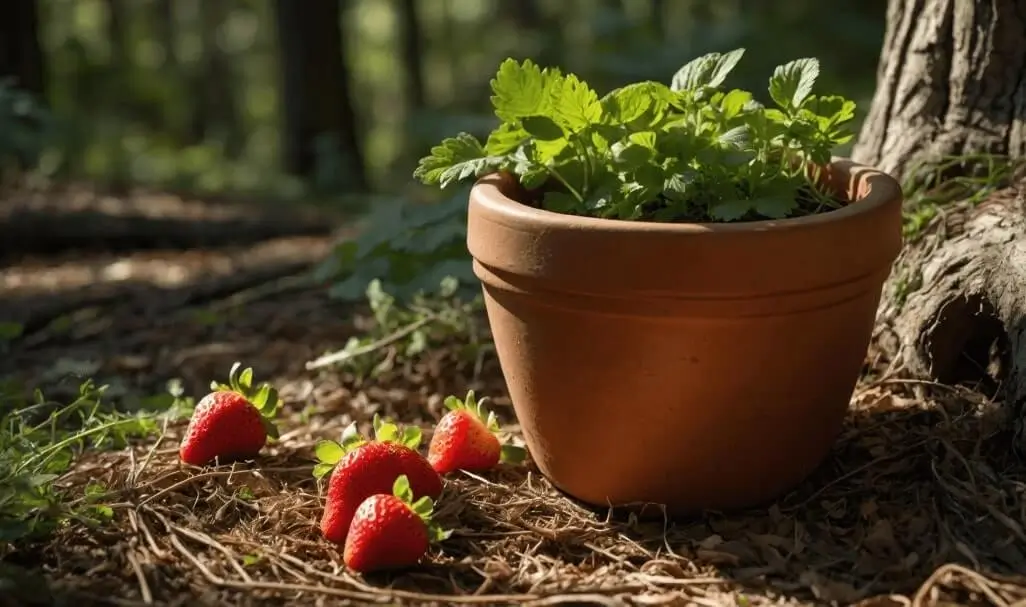
Container fruit gardening is one of the most affordable ways to enjoy fresh, homegrown fruit—even if you have limited space or a small budget. Many beginners assume growing fruit trees in pots requires expensive containers, premium soil, and costly gardening tools. In reality, you can create a productive container fruit garden without spending a fortune. With smart planning, recycled materials, and budget-friendly growing techniques, anyone can grow healthy fruit trees at home.
This guide explains how to save money while still creating a thriving container fruit garden. From choosing affordable containers to reducing long-term maintenance costs, you’ll learn practical ways to grow more fruit while spending less.
Why a Container Fruit Gardening Budget Guide Matters
Container fruit gardening is different from in-ground growing in one key way: you control every input. That’s powerful—but it also means unnecessary spending can sneak in fast.
Budget challenges beginners face
- Buying oversized or overpriced pots too early
- Choosing the wrong fruit trees and replacing them later
- Paying for low-quality soil that breaks down quickly
- Overusing fertilizers and additives that don’t help long-term growth
When you follow a clear budget strategy:
- You invest once instead of replacing supplies.
- Your trees establish faster and live longer.
- You reduce ongoing maintenance costs.
- You scale your garden gradually, not impulsively.
Smart budgeting isn’t about cutting corners—it’s about spending where it actually improves fruit production.
Step-by-Step Container Fruit Gardening Budget Plan
Step 1: Choose Budget-Friendly Fruit Trees That Thrive in Pots
Your biggest long-term savings start with the right tree selection.
Best budget-smart fruit tree options
- Dwarf or semi-dwarf varieties (naturally smaller = smaller pots)
- Self-fertile trees (no need to buy multiples)
- Proven container performers like citrus, figs, apples, peaches, and cherries
Avoid:
- Standard-size trees (require frequent repotting)
- Rare or novelty varieties with higher failure rates
💡 Tip: Buying a young, healthy tree is often cheaper and adapts better than large, mature specimens.
Related reading: Best fruit trees for small containers
Step 2: Save Money on Containers Without Sacrificing Tree Health
Containers don’t need to be expensive to be effective.
Budget container options that work well
- Heavy-duty plastic pots (long-lasting and lightweight)
- Fabric grow bags (excellent drainage, very affordable)
- Upcycled containers (with proper drainage holes)
Ideal starter sizes:
- 10–15 gallons for young trees
- Upgrade gradually instead of buying oversized pots immediately.
Avoid decorative ceramic pots early—they’re costly, heavy, and don’t improve yield.
Helpful guide: Lightweight pots for apartment gardening
Step 3: Build High-Quality Soil Without Overspending
Soil is not the place to go cheap—but you can be strategic.
Budget-smart soil strategy
Instead of buying premium branded mixes every time:
- Start with a basic quality potting mix.
- Improve it yourself with:
- Compost
- Perlite or coarse sand
- Coconut coir or bark fines
This approach:
- Improves drainage and aeration
- Extends soil lifespan
- Reduces how often you need full soil replacement
Avoid garden soil—it compacts and causes root problems in containers.
Related article: Drainage tips for container fruit trees
Step 4: Feed Fruit Trees Effectively on a Small Budget
Over-fertilizing is one of the most common money-wasting mistakes.
Cost-effective feeding plan
- Use slow-release organic fertilizer 2–3 times per year.
- Supplement with:
- Homemade compost
- Compost tea
- Avoid frequent liquid feeding unless trees show a deficiency.
This method:
- Reduces fertilizer costs
- Prevents nutrient burn
- Promotes steady, balanced growth
Learn more: How to feed potted fruit trees properly.
Step 5: Water Smarter to Lower Ongoing Costs
Water waste adds hidden costs—especially in hot or dry climates.
Budget watering tips
- Add organic mulch to reduce evaporation.
- Water deeply, not frequently
- Use simple drip systems or DIY bottle irrigation.
- Group containers together to reduce drying
Proper watering prevents:
- Root stress
- Reduced fruiting
- Extra spending on replacements
Helpful guide: Watering fruit trees in winter
Common Budget Mistakes Beginner Container Gardeners Make
Buying everything at once
Start small. One or two trees let you learn without costly mistakes.
Choosing cheap soil that breaks down fast
Low-quality mixes collapse, forcing early repotting.
Oversized pots too early
Bigger isn’t better—roots need balance, not excess space.
Chasing products instead of understanding care
Healthy trees come from consistency, not expensive add-ons.
Ignoring seasonal care
Poor winter or summer care leads to losses that cost more in the long term.
Related reading: Seasonal care for container fruit trees
Essential Budget Tools for Container Fruit Gardening
You don’t need a shed full of gear.
Must-have tools
- Hand pruners (quality once, used for years)
- Watering can or hose with a gentle spray
- Soil scoop or small shovel
- Mulch material (often free)
Optional but helpful:
- Moisture meter (useful for beginners)
- Plant caddy for moving heavy pots
Avoid single-use gadgets that don’t improve plant health.
FAQ: Container Fruit Gardening Budget Guide
Is container fruit gardening cheaper than in-ground gardening?
Yes, especially for renters and small-space growers. You control costs and avoid permanent infrastructure.
What is the cheapest fruit tree to grow in a container?
Figs, citrus, and dwarf apples are often affordable, hardy, and productive.
Can I reuse potting soil to save money?
Yes—refresh it with compost and aeration materials instead of replacing it completely.
How many fruit trees should I start with on a budget?
One to three trees is ideal for beginners to manage costs and learn proper care.
Are fabric grow bags really durable?
High-quality fabric bags last several seasons and cost far less than decorative pots.
Conclusion: Grow More Fruit, Spend Less Money
Container fruit gardening doesn’t have to be expensive to be successful. By choosing the right trees, using practical containers, building your own soil mix, and avoiding common beginner mistakes, you can grow a productive mini orchard on a realistic budget.
Start small, invest wisely, and upgrade only when your trees truly need it. With this Container Fruit Gardening Budget Guide, you now have a clear roadmap to grow healthy, fruitful trees—without overspending.
Next step: choose your first budget-friendly fruit tree and build your system one smart purchase at a time. 🌱🍎
[…] you’re growing strawberries, tomatoes, peppers, lettuce, herbs, or dwarf fruit trees, there’s a gardening kit that fits your space and […]