
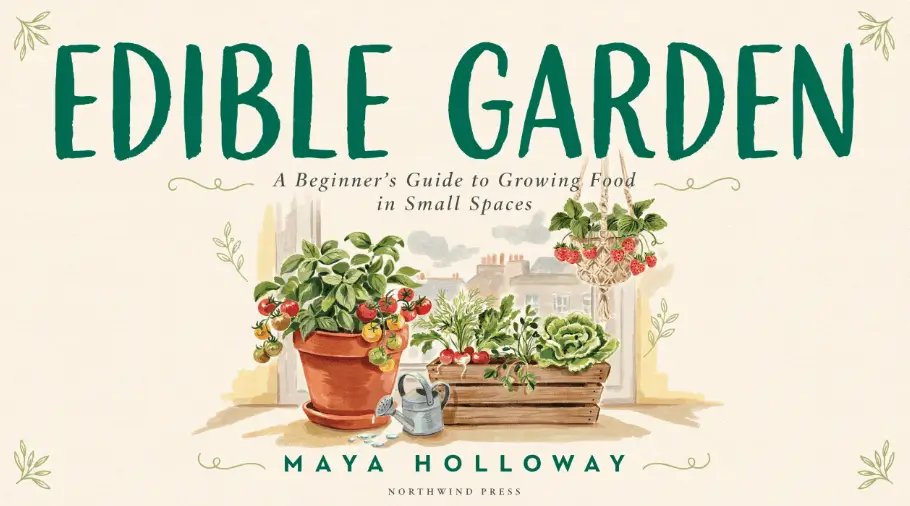
An edible garden is one of the most rewarding ways to use your outdoor or indoor growing space. Instead of growing plants only for decoration, an edible garden allows you to harvest fresh fruits, vegetables, herbs, and other useful crops right from your home.
Many beginners assume they need a large backyard to grow food successfully. In reality, an edible garden can thrive on a patio, balcony, terrace, or even a sunny windowsill. With the right planning, containers can produce impressive harvests while taking up very little space.
This guide explains everything beginners need to know about creating and maintaining an edible garden, including choosing plants, selecting containers, watering correctly, and avoiding common mistakes.
What Is an Edible Garden?
An edible garden is a growing space designed to produce food. It can include:
- Fruit trees
- Berry plants
- Vegetables
- Culinary herbs
- Edible flowers
- Leafy greens
Unlike traditional ornamental gardens, every plant in an edible garden serves a practical purpose by providing food or flavor for your kitchen.
Benefits of an Edible Garden
Starting an edible garden offers several advantages:
Fresh Food at Home
Homegrown produce can be harvested at peak ripeness, often resulting in better flavor and freshness.
Better Use of Small Spaces
Containers allow gardeners to grow food almost anywhere with sufficient sunlight.
Cost Savings
A productive edible garden can reduce grocery expenses throughout the growing season.
Enjoyable Hobby
Gardening provides a satisfying hands-on activity while helping you learn more about plants and food production.
Greater Plant Variety
You can grow varieties that may not be available in local stores.
Choosing the Right Location
The success of an edible garden depends heavily on location.
Sunlight Requirements
Most edible plants need:
- 6 to 8 hours of direct sunlight daily
- Bright, unobstructed exposure
- Good air circulation
Before selecting plants, observe how much sunlight your growing area receives throughout the day.
Best Locations
- South-facing patios
- Sunny balconies
- Terraces
- Decks
- Bright windows for herbs and greens
Protection from Strong Weather
While sunlight is important, plants also benefit from protection against:
- Strong winds
- Extreme heat
- Heavy rain
Containers can be moved when weather conditions become challenging.
Planning Your Edible Garden
Good planning helps prevent overcrowding and maintenance problems.
Start Small
Many beginners make the mistake of planting too much.
Instead, start with:
- 3 to 5 containers
- A few reliable crops
- Easy-to-manage varieties
You can always expand later.
Group Plants by Similar Needs
Plants that require similar watering and sunlight levels are easier to maintain together.
Examples include:
Warm-Season Crops
- Tomatoes
- Peppers
- Eggplants
Leafy Greens
- Lettuce
- Spinach
- Kale
Herbs
- Basil
- Parsley
- Chives
- Oregano
Selecting Containers for an Edible Garden
Containers play a major role in plant health.
Important Features
Choose containers that provide:
- Adequate drainage holes
- Enough root space
- Durable materials
- Easy mobility when necessary
Recommended Container Sizes
Herbs
- 6 to 12 inches deep
Leafy Greens
- 8 to 12 inches deep
Vegetables
- 12 to 18 inches deep
Dwarf Fruit Trees
- 15 to 25 gallons or larger
Larger containers generally hold moisture longer and support healthier root systems.
Choosing the Best Plants for Beginners
Some edible plants are much easier to grow than others.
Easy Herbs
Herbs are excellent starter plants.
Popular choices include:
- Basil
- Mint
- Parsley
- Thyme
- Rosemary
Easy Vegetables
Reliable beginner vegetables include:
- Lettuce
- Radishes
- Bush beans
- Green onions
- Swiss chard
Easy Fruits for Containers
Container-friendly fruits include:
- Strawberries
- Blueberries
- Dwarf citrus trees
- Dwarf figs
- Dwarf peaches
These plants adapt well to limited growing space.
Soil for an Edible Garden
Healthy soil is essential for healthy plants.
Avoid Garden Soil in Containers
Regular garden soil often causes problems because it:
- Compacts easily
- Drains poorly
- Restricts root growth
Use High-Quality Potting Mix
A good container mix should provide:
- Excellent drainage
- Moisture retention
- Good aeration
- Nutrient availability
Many gardeners improve potting mixes by adding compost to increase organic matter.
Watering an Edible Garden
Watering is one of the most important gardening skills.
How Often Should You Water?
There is no single schedule that works for every garden.
Water needs depend on:
- Plant type
- Container size
- Temperature
- Wind exposure
- Growth stage
Check Soil Moisture
A simple method is to insert your finger into the soil.
If the top inch feels dry, watering may be needed.
Signs of Underwatering
- Wilting leaves
- Dry soil
- Slow growth
- Poor fruit production
Signs of Overwatering
- Yellow leaves
- Root problems
- Constantly wet soil
- Reduced plant vigor
The goal is consistent moisture without keeping the soil waterlogged.
Feeding Your Edible Garden
Container plants use nutrients quickly because their root zones are limited.
Why Fertilizing Matters
Nutrients help plants:
- Produce leaves
- Develop roots
- Form flowers
- Grow fruits
General Feeding Schedule
Most edible plants benefit from:
- Compost additions
- Slow-release fertilizers
- Regular feeding during active growth
Always follow product directions to avoid over-fertilizing.
Common Problems in Edible Gardens
Even well-maintained gardens occasionally experience challenges.
Poor Growth
Possible causes include:
- Lack of sunlight
- Small containers
- Nutrient deficiencies
- Overcrowding
Yellow Leaves
This may result from:
- Overwatering
- Nutrient imbalances
- Poor drainage
Low Harvests
Limited production often occurs because of:
- Insufficient sunlight
- Inconsistent watering
- Lack of pollination
- Nutrient shortages
Pest Management for Edible Gardens
Pests can affect both vegetables and fruit plants.
Common Garden Pests
- Aphids
- Whiteflies
- Spider mites
- Caterpillars
Prevention Tips
- Inspect plants regularly
- Remove damaged leaves
- Improve air circulation
- Avoid overcrowding
Early detection makes pest control much easier.
Seasonal Care for an Edible Garden
Plants require different care throughout the year.
Spring
- Start planting
- Refresh potting mix
- Apply fertilizer
Summer
- Monitor watering closely
- Harvest regularly
- Watch for pests
Autumn
- Remove declining plants
- Prepare cool-season crops
- Clean containers
Winter
- Protect sensitive plants
- Reduce watering
- Plan next season’s garden
Edible Garden Ideas for Small Spaces
Limited space does not mean limited harvests.
Vertical Gardening
Use:
- Trellises
- Wall planters
- Hanging baskets
This approach increases growing area without taking up floor space.
Mixed Containers
Combine compatible plants such as:
- Strawberries and herbs
- Lettuce and green onions
- Dwarf vegetables and flowers
Patio Fruit Garden
Create a mini orchard with:
- Dwarf citrus
- Dwarf figs
- Blueberries
- Strawberries
Common Beginner Mistakes
Avoiding these mistakes can improve success dramatically.
Planting Too Much
Start small and expand gradually.
Using Containers Without Drainage
Poor drainage often leads to root problems.
Ignoring Sunlight Requirements
Most edible plants need plenty of direct sun.
Watering on a Fixed Schedule
Always check soil moisture instead of watering by the calendar.
Choosing Oversized Plants
Select compact or dwarf varieties whenever possible.
Conclusion
An edible garden allows anyone to grow fresh food at home, even with limited space. By choosing the right containers, providing adequate sunlight, using quality potting mix, and maintaining consistent watering habits, beginners can enjoy healthy harvests throughout the growing season.
Start with a few easy plants, focus on learning the basics, and expand your garden as your confidence grows. Small steps often lead to the most productive and enjoyable edible gardens.