
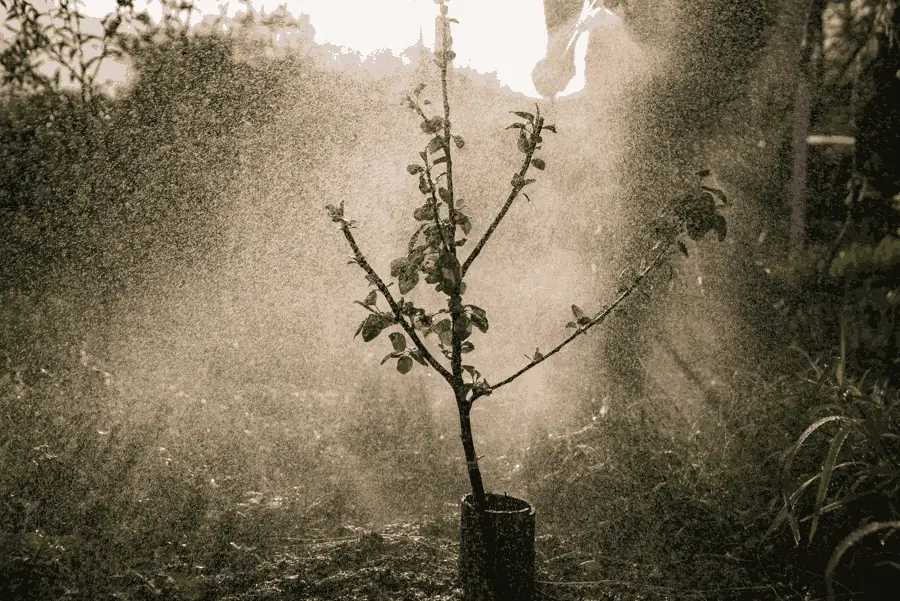
Hard water can quietly affect the health and productivity of your fruit trees, especially when growing them in pots or small spaces. Minerals like calcium and magnesium may build up in the soil over time, impacting nutrient absorption and overall plant growth. In this guide, you’ll learn how hard water influences fruit trees and discover simple, practical ways to manage it for healthier, more productive plants.
This fruit trees hard water guide is written for beginners and home gardeners growing fruit trees in pots, balconies, patios, or small yards. You’ll learn what hard water does to container fruit trees, how to spot the signs early, and exactly how to fix and prevent damage—step by step.
What Causes Hard Water Problems in Fruit Trees?
Hard water issues don’t come from a single watering. They develop gradually due to mineral accumulation in container soil.
Main Causes
- High calcium and magnesium levels in tap water
- Evaporation in containers, leaving minerals behind
- Poor drainage that traps salts in the root zone
- Frequent shallow watering instead of deep flushing
- Using mineral-based fertilizers alongside hard water
In garden soil, minerals can disperse. In pots, they concentrate, making container fruit trees much more sensitive.
Why Containers Are More Affected
- Limited soil volume
- No natural leaching from rain or ground water flow
- Roots have nowhere to escape mineral buildup
Over time, this creates a salty, alkaline environment that fruit trees struggle to tolerate.
Signs and Symptoms of Hard Water Stress
Hard water damage often looks like nutrient deficiency or disease. These signs usually appear slowly, not overnight.
On Leaves
- Yellowing between veins (especially on young leaves)
- Brown or crispy leaf edges
- White or gray residue on leaf surfaces after watering
- Smaller, thinner new growth
On Soil and Pots
- White crust on soil surface
- Chalky buildup on pot rims or drainage holes
- Soil that dries hard and repels water
On Tree Performance
- Slow growth despite proper sunlight
- Poor flowering or fruit drop
- Weak root development
- Increased sensitivity to heat stress
If several of these appear together, hard water is a strong suspect.
Step-by-Step Solutions for Hard Water in Container Fruit Trees
Follow these steps in order. You don’t need to do everything at once.
1. Confirm You’re Dealing with Hard Water
You don’t need lab tests to start.
Simple indicators:
- White mineral residue on pots
- Local tap water known to be hard
- Symptoms appear across multiple potted plants
If unsure, assume moderate hardness and apply gentle corrections.
2. Flush the Soil to Remove Mineral Buildup
This is the most important step.
How to flush properly:
- Place the pot where excess water can drain freely
- Slowly water until water flows strongly from drainage holes
- Continue watering for 2–3 minutes
- Let the pot drain completely
Frequency:
- Every 4–6 weeks in warm seasons
- Every 8–10 weeks in cooler weather
Flushing washes excess salts out of the root zone.
3. Improve Drainage Immediately
Hard water damage worsens when drainage is poor.
Check that:
- Pots have multiple drainage holes
- Holes are not blocked by roots or debris
- Containers are slightly elevated, not sitting in water
If needed:
- Repot using a lighter, well-draining mix
- Avoid compacted or clay-heavy soils
Good drainage prevents minerals from accumulating again.
4. Adjust Your Watering Technique
How you water matters as much as what water you use.
Best practices:
- Water deeply, not frequently
- Avoid misting leaves with hard water
- Allow slight drying between waterings
- Always water until runoff occurs
Shallow watering concentrates minerals near the surface.
5. Use Low-Mineral Water When Possible
You don’t need perfection—just improvement.
Options include:
- Collected rainwater
- Filtered tap water (simple carbon filters help)
- Mixed watering (alternate hard and soft water)
Even using better water once or twice a month reduces long-term buildup.
6. Balance Soil pH Gently
Hard water often raises soil pH, locking out nutrients.
Safe beginner options:
- Add organic matter like compost
- Use mildly acidic soil blends
- Avoid lime or alkaline amendments
Never add strong acids or chemicals to soil.
7. Fertilize Carefully
Hard water already adds minerals. Over-fertilizing makes things worse.
Guidelines:
- Use low-salt fertilizers
- Feed less often but consistently
- Flush soil before fertilizing
- Avoid fertilizer buildup in dry soil
Watch leaf color instead of following rigid schedules.
Common Beginner Mistakes
Avoid these errors that make hard water problems worse.
- Letting runoff water sit under pots
- Using only small amounts of water each time
- Adding more fertilizer to “fix” yellow leaves
- Ignoring white crust on soil surface
- Repotting without flushing first
- Assuming all yellowing is nitrogen deficiency
Most issues improve with better watering habits, not more inputs.
Best Practices for Preventing Hard Water Damage
Once corrected, prevention is simple and low-effort.
Long-Term Prevention Tips
- Flush containers regularly
- Use well-draining soil mixes
- Water deeply every time
- Avoid letting soil dry rock-hard
- Monitor leaf color monthly
- Clean mineral crust from pots
Consistency matters more than perfection.
Quick Fix Summary
If you need fast action, start here:
- Flush pots thoroughly today
- Ensure strong drainage
- Water deeply until runoff
- Reduce fertilizer strength
- Alternate with low-mineral water
- Remove visible mineral crust
These steps alone solve most hard water issues.
Frequently Asked Questions
Is hard water bad for all fruit trees?
Most fruit trees tolerate mild hard water, but container-grown trees are more sensitive due to mineral buildup in limited soil.
Can hard water kill fruit trees?
Hard water rarely kills trees directly. Damage happens slowly through nutrient lockout and root stress if untreated.
How often should I flush container soil?
Every 4–6 weeks during active growth and less often in cool seasons is usually enough.
Are yellow leaves always caused by hard water?
No. Yellowing can also come from overwatering, poor drainage, or nutrient imbalance. Hard water is one possible cause.
Can I keep using tap water?
Yes. With proper flushing, drainage, and occasional low-mineral watering, most tap water is manageable.
Conclusion: Take Control of Hard Water Stress
Hard water doesn’t mean you can’t grow healthy, productive fruit trees in containers. It simply requires smarter watering and soil care.
Your Action Plan
- Flush your pots regularly
- Improve drainage
- Water deeply and consistently
- Reduce excess minerals over time
- Watch your trees, not just schedules
With these steps, your container fruit trees can thrive—even with mineral-heavy water.