
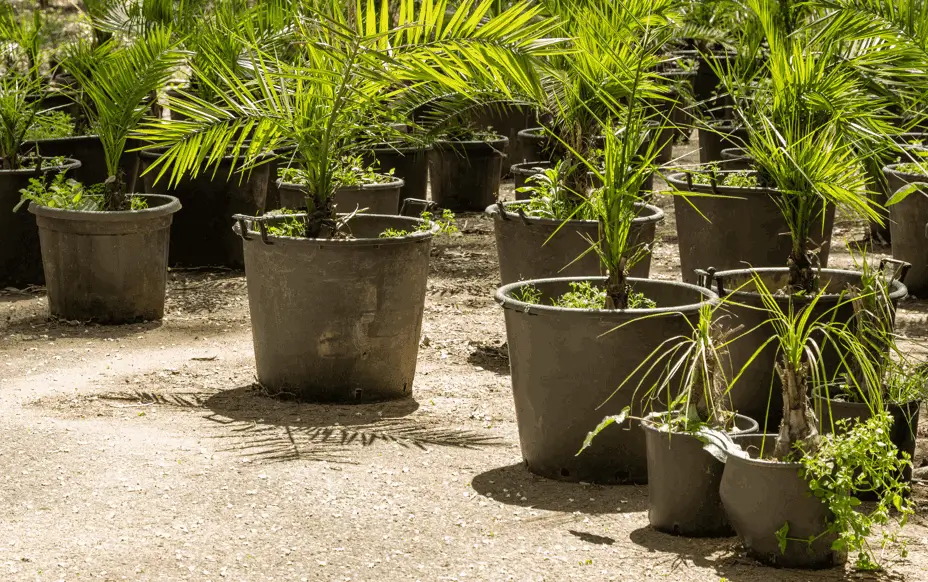
Slow growth in container fruit trees is a common challenge for gardeners, often caused by limited root space, poor soil quality, inconsistent watering, or nutrient deficiencies. Unlike trees planted in the ground, potted fruit trees depend entirely on their container environment, making proper care essential for healthy development. Understanding these limitations and making the right adjustments can significantly improve growth and overall plant vitality.
Why Slow Growth in Container Fruit Trees Matters
When a fruit tree grows slowly in a pot, it’s not just an aesthetic issue. Growth rate directly affects how soon the tree will flower, set fruit, and produce a meaningful harvest. In containers, trees already have a limited root zone, so any stress — poor drainage, lack of nutrients, compacted soil, or watering mistakes — has a bigger impact than it would in the ground.
Slow growth often means:
- The roots are not developing properly
- The tree cannot absorb enough water or nutrients
- Future flowering and fruiting will be delayed
- The tree becomes more vulnerable to pests and disease
For example, many growers see stunted growth after heavy rains or overly frequent watering. This is often tied to poor drainage, which you can explore in more detail in this guide on fruit trees dying from poor drainage. When roots sit in soggy soil, oxygen is cut off, slowing growth long before leaves turn yellow or fall.
Similarly, water stress plays a major role. A tree that swings between drought and flooding will grow very slowly, even if it never fully wilts. If you want a deeper understanding of how this happens, the article on water stress in potted fruit trees explains how root-level stress impacts growth, flowering, and fruit set.
What Causes Slow Growth in Container Fruit Trees?
Before fixing the problem, you need to understand what’s really behind it. Most slow-growing potted fruit trees suffer from a combination of the following factors.
1. Roots Have Run Out of Space
Container trees don’t have the luxury of spreading roots freely. Once the roots circle the pot and become crowded, the tree shifts from growing to surviving. This leads to:
- Small leaves
- Short new shoots
- Weak flowering or none at all
If your tree has been in the same pot for more than 1–2 years, root binding is a likely cause.
2. Poor Soil Structure
Old or cheap potting mix breaks down over time. It becomes dense and holds too much water, pushing air out of the root zone. Roots need oxygen just as much as water. When soil stays heavy and wet, growth slows even if you are feeding the tree well.
This is closely related to waterlogged soil problems. If your mix drains poorly, this guide on how to fix waterlogged soil in pots shows how to rescue struggling trees and rebuild a healthy root environment.
3. Overwatering or Underwatering
Both extremes reduce growth.
- Overwatering suffocates roots
- Underwatering dehydrates fine feeder roots
In containers, it’s easy to make either mistake, especially in hot or windy conditions. Trees that are watered “a little every day” often suffer more than those watered deeply and less often. If your tree looks dull or slow after frequent watering, see this detailed explanation of watering fruit trees too frequently.
4. Nutrient Deficiency or Salt Buildup
Container trees rely entirely on the nutrients in their potting mix. Over time, these nutrients get used up or washed out. At the same time, salts from fertilizers and tap water build up in the soil, blocking nutrient uptake. This combination leads to slow, weak growth even when you are feeding regularly.
If your leaves look pale or edges are burned, salt buildup could be involved. This is covered in depth in salt buildup from tap water.
5. Lack of Sunlight
Fruit trees are sun-loving plants. Less than 6–8 hours of direct light will slow photosynthesis, which directly slows growth. On balconies, walls and buildings often reduce sunlight more than people realize.
Step-by-Step Solutions to Fix Slow Growth
Here’s how to systematically bring your container fruit tree back to healthy, vigorous growth.
Step 1: Check the Roots
Gently slide the tree out of its pot. Look for:
- Thick roots circling the outside
- A tight, matted root ball
- Very little loose soil
If you see this, your tree is root-bound. Repot into a container 5–10 cm wider, using fresh, well-draining mix. Lightly tease or prune the outer roots so they grow outward instead of continuing to circle.
Step 2: Upgrade the Potting Mix
A high-quality container fruit tree mix should be:
- Loose and airy
- Fast-draining
- Rich in organic matter
Avoid garden soil or compost-heavy mixes that stay soggy. A good blend includes coco coir or peat, compost, and perlite or pumice for air space.
Step 3: Fix Drainage Issues
Make sure:
- The pot has at least one large drainage hole
- Water flows freely from the bottom
- The container is raised slightly off the ground
If your soil stays wet for days, root growth will slow dramatically. This is why trees often struggle after long rainy periods, a problem explained in fruit trees suffering after rainy days.
Step 4: Water the Right Way
Water deeply until excess flows out of the bottom. Then wait until the top 3–5 cm of soil dries before watering again. This cycle encourages roots to grow downward and outward, increasing the tree’s ability to absorb nutrients.
Avoid shallow, daily watering. It keeps roots near the surface and makes the tree more sensitive to stress.
Step 5: Feed, Then Flush
Use a balanced fruit tree fertilizer every 2–4 weeks during active growth. Every 2–3 months, flush the pot with plenty of clean water to wash out excess salts. This keeps nutrients available and prevents root burn.
Common Mistakes Beginners Make
Many container growers unknowingly keep their trees in survival mode. These mistakes are especially common:
- Using pots that are too small
Small containers limit root growth and dry out too fast. - Keeping trees in the same soil for years
Old mix becomes compacted and nutrient-poor. - Watering on a schedule instead of checking the soil
Every tree, pot, and climate is different. - Ignoring early warning signs
Yellowing leaves, slow shoots, or weak flowering mean the tree is stressed, not lazy.
Tools, Soil, and Container Tips That Make a Big Difference
The right setup can double your tree’s growth rate.
Choose the Right Container
- Use pots at least 40–60 cm wide for most dwarf fruit trees
- Fabric or air-pruning pots help prevent root circling
- Light-colored pots stay cooler in the sun
Use a Moisture Meter or Finger Test
A simple moisture meter or just your finger can prevent both overwatering and underwatering. This small habit alone fixes many growth problems.
Add Mulch on Top
A thin layer of bark, straw, or coco chips reduces moisture swings and keeps roots cooler, helping steady growth.
FAQ: Slow Growth in Container Fruit Trees
Why is my potted fruit tree alive but not growing?
Most often, it’s root stress from poor drainage, compacted soil, or lack of nutrients. The tree is surviving but not thriving.
How long does it take for container fruit trees to start growing faster?
After repotting and correcting watering and feeding, you should see new growth within 2–4 weeks during the growing season.
Can slow growth affect fruit production?
Yes. Trees that grow slowly produce fewer flowers, leading to fewer or smaller fruits.
Is it normal for growth to slow in winter?
Yes. Many fruit trees go dormant or semi-dormant. Slow growth in winter is normal, but in spring and summer it signals a problem.
Should I prune a slow-growing container tree?
Light pruning is okay, but heavy pruning can slow it further. First fix the root and soil issues.
Conclusion
Slow growth in container fruit trees is almost always a sign that something in the root environment is holding the tree back. By improving pot size, soil quality, drainage, watering habits, and nutrition, you can turn a struggling tree into a fast-growing, fruit-producing plant. Start by checking the roots, upgrading the soil, and watering correctly. Within a few weeks, you should see stronger shoots, greener leaves, and the steady progress every container gardener hopes for. With the right care, even a small balcony tree can grow into a productive, healthy fruit plant.