
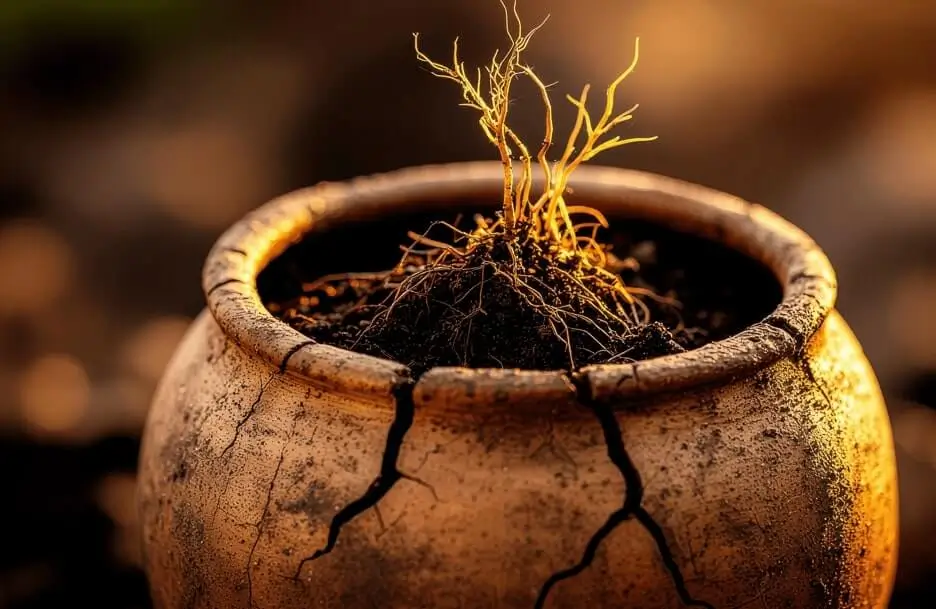
Underwatering is one of the most common problems affecting fruit trees grown in containers, often leading to stress, poor growth, and reduced fruit production. Because potted trees rely entirely on limited soil moisture, even short periods of dryness can quickly impact their health. Recognizing the early signs of underwatering and understanding its causes can help you take the right steps to restore your tree’s vitality. In this guide, you’ll learn how to identify, prevent, and fix underwatering issues to keep your container fruit trees thriving and productive.
Why Underwatering Fruit Trees in Pots Matters
Container fruit gardening is all about balance, and water is the foundation of that balance. When fruit trees don’t receive enough water:
- Roots become stressed and damaged, limiting nutrient uptake.
- Photosynthesis slows down, reducing energy for growth and fruiting.
- Flowers and young fruits drop, leading to poor harvests.
Pots dry out much faster than garden soil—especially in warm, windy, or sunny locations. If you’re growing citrus, figs, apples, or stone fruits on a balcony, patio, or rooftop, underwatering fruit trees in pots can happen in just a day or two during summer.
Many growers first notice the issue when leaves turn yellow or curl. If that’s familiar, you may also want to read this guide on why container fruit trees get yellow leaves to rule out overlapping causes and confirm water stress.
Clear Signs of Underwatering Fruit Trees in Pots
Knowing the symptoms helps you act before permanent damage occurs.
Early Warning Signs
- Slight leaf drooping during the hottest part of the day
- Dry, light-colored potting mix pulling away from the pot edges
- Slower-than-normal growth
Advanced Symptoms
- Leaf curling, browning tips, or crispy edges
- Sudden leaf drop—even when leaves are still green
- Flowers or small fruits falling off
If you notice weak or stalled growth alongside these symptoms, compare them with the causes explained in this article about slow growth in container fruit trees to ensure watering—not nutrients or root binding—is the real issue.
Common Causes of Underwatering in Container Fruit Trees
Underwatering fruit trees in pots isn’t always about forgetting to water. Often, it’s caused by hidden factors.
1. Pots That Are Too Small
Small containers dry out quickly and can’t hold enough moisture for fruit trees with expanding root systems.
2. Poor Potting Mix
Light, peat-heavy mixes may repel water once dry, causing water to run straight through without soaking roots.
3. Hot or Windy Placement
Balconies, rooftops, and south-facing patios increase evaporation dramatically.
4. Inconsistent Watering Schedule
Watering “a little every day” often leaves deeper roots dry, encouraging shallow, weak root systems.
If your tree recently struggled after being moved or repotted, revisit this guide on fruit trees dying after repotting, as root disturbance combined with underwatering is especially dangerous.
Step-by-Step: How to Fix Underwatering Fruit Trees in Pots
Step 1: Rehydrate the Root Ball Properly
If soil has dried out completely:
- Move the pot to shade.
- Water slowly until water flows from drainage holes.
- Wait 10 minutes and water again to fully rehydrate the root zone.
For severely dry root balls, submerge the pot halfway in a bucket of water for 20–30 minutes.
Step 2: Improve Your Watering Technique
- Water deeply and less frequently, not shallow daily sprinkles.
- Always water until excess drains out.
- Check moisture 2–3 inches below the surface before watering again.
Step 3: Adjust for Seasons
- Summer: Daily watering may be necessary.
- Spring/Fall: Every 2–4 days, depending on weather.
- Winter: Reduce watering but never let soil fully dry.
Best Tools, Soil, and Containers to Prevent Underwatering
Use the Right Container
- Choose pots at least 40–60 liters for most fruit trees.
- Light-colored containers reduce heat absorption.
Choose Moisture-Retentive Potting Mix
A good mix should include:
- High-quality compost
- Coco coir or peat (for moisture retention)
- Perlite or pumice (for drainage)
Helpful Tools
- Moisture meter: Prevents guesswork.
- Self-watering planters: Great for busy gardeners.
- Mulch: A 2–3 cm layer reduces evaporation by up to 30%.
Common Beginner Mistakes to Avoid
- Watering only the surface
- Using decorative pots without drainage holes
- Ignoring weather changes
- Assuming yellow leaves always mean overwatering
Many gardeners misdiagnose the problem and add fertilizer instead, which worsens stress. If flowers fall before setting fruit, see this guide on flowers falling off fruit trees to understand how water stress affects blooming.
FAQ: Underwatering Fruit Trees in Pots
How often should I water fruit trees in pots?
There’s no fixed schedule. Water when the top 2–3 inches of soil are dry, adjusting for heat, wind, and pot size.
Can underwatering kill a potted fruit tree?
Yes. Prolonged drought damages roots and can cause irreversible decline, especially in young trees.
Do fruit trees need more water when fruiting?
Absolutely. Fruiting increases water demand significantly. Inconsistent watering leads to fruit drop and poor quality.
Is it better to water in the morning or evening?
Morning is best. It allows moisture absorption before heat stress and reduces fungal risk.
Can mulch really help prevent underwatering?
Yes. Organic mulch dramatically slows evaporation and stabilizes soil moisture.
Conclusion: A Simple Plan for Healthy, Well-Watered Fruit Trees
Underwatering fruit trees in pots is easy to overlook—but just as easy to fix once you understand the signs and causes. Focus on deep watering, the right container size, moisture-retentive soil, and seasonal adjustments. Check soil moisture regularly, mulch generously, and adapt your routine as your tree grows.
Your next step? Review your current pots and watering habits today. A few small changes now can mean stronger growth, fewer dropped fruits, and a much more rewarding harvest season ahead.