
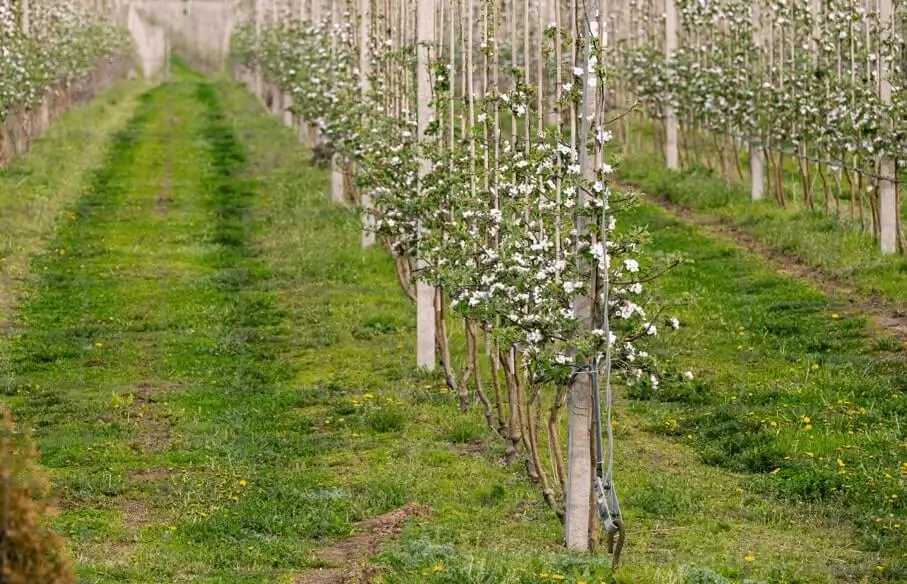
Fruit trees growing in containers can sometimes become tall, thin, and weak instead of compact and productive. This “leggy” or stretched growth is usually a sign that the plant is struggling to get the right balance of light, nutrients, and proper care. Understanding the causes behind this issue is essential for restoring strong, healthy growth. In this guide, you’ll learn why container fruit trees become leggy, how to fix the problem effectively, and the best ways to prevent weak, stretched growth in the future.
Why Fruit Trees Growing Leggy Matters in Container Gardening
Container fruit trees already live with limitations—restricted root space, controlled soil volume, and often less-than-ideal light. When fruit trees grow leggy, these limitations are magnified.
Leggy growth causes several serious issues:
- Weak branch structure that bends or breaks under fruit weight
- Reduced flowering and fruiting, since energy goes into stretching instead of bud formation
- Poor airflow, increasing disease risk
- Top-heavy trees that tip over in containers
In small-space gardening, balance is everything. A compact fruit tree with short internodes (the space between leaves) will outperform a tall, stretched tree every time. If your goal is long-term productivity in containers, correcting leggy growth is not optional—it’s essential.
What Causes Fruit Trees Growing Leggy (Stretched)?
Understanding the root cause is the fastest way to fix the problem. In most cases, leggy fruit trees suffer from one or more of the following factors.
Insufficient Light (The #1 Cause)
Fruit trees need 6–8 hours of direct sunlight daily. When light is weak or indirect, the tree stretches upward trying to reach it.
Common light-related mistakes:
- Growing fruit trees indoors near windows
- Shaded balconies or north-facing patios
- Seasonal light drop in winter
- Overcrowding multiple plants together
If your tree leans toward one direction or grows tall with few side branches, light is almost certainly the issue. If this sounds familiar, you may also benefit from this guide on how to fix low-light problems in container fruit trees:
👉 Best light placement for container fruit trees
Excess Nitrogen Fertilizer
Nitrogen fuels leaf and stem growth. Too much of it causes rapid, soft, elongated growth with weak cell walls.
Signs of nitrogen-driven legginess:
- Very fast vertical growth
- Dark green leaves
- Thin, flexible branches
- Delayed flowering
Many beginners unknowingly overfeed, especially when using liquid fertilizers too frequently. If you’re unsure about feeding balance, review this resource on safe fertilizing schedules for container fruit trees:
👉 How often to fertilize potted fruit trees
Improper or Missing Pruning
Fruit trees rely on pruning to maintain shape and energy balance. Without it, the tree prioritizes upward growth over branching.
Lack of pruning leads to:
- Long central leaders
- Few side branches
- Poor fruiting wood development
Correct pruning encourages shorter internodes and lateral growth, which is ideal for containers. A step-by-step pruning guide can be found here:
👉 How to prune container fruit trees for structure
Containers That Are Too Small
When roots are cramped, fruit trees may respond by producing weak top growth rather than dense branching.
Symptoms include:
- Fast shoot growth with thin stems
- Drying soil too quickly
- Roots circling the pot
If your tree dries out daily or hasn’t been repotted in over two years, container size may be contributing.
Warm Temperatures + Low Light
This combination is common indoors and during early spring. Warmth accelerates growth, but without enough light, that growth becomes stretched.
This is why many fruit trees become leggy after winter.
Step-by-Step Solutions to Fix Leggy Fruit Trees
Let’s fix the problem systematically. These steps work whether your fruit tree is mildly stretched or severely leggy.
Step 1: Improve Light Immediately
- Move the container to the brightest possible location
- Aim for direct sunlight, not bright shade
- Rotate containers weekly for even growth
- Outdoors is always better than indoors when temperatures allow
If natural light is limited, especially on balconies, consider reflectors or repositioning rather than accepting weak growth.
Step 2: Reduce Nitrogen and Balance Fertilization
Switch from high-nitrogen feeds to:
- Balanced fertilizers (e.g., 5-5-5 or similar)
- Slow-release organic options
- Seasonal feeding instead of constant feeding
Avoid fertilizing during low-light periods unless the tree is actively growing outdoors.
Step 3: Prune to Reset Growth Direction
Pruning is not optional—it’s corrective.
How to prune leggy fruit trees:
- Cut back long shoots by ⅓
- Prune just above outward-facing buds
- Remove weak, thin vertical growth
- Encourage horizontal branching
This forces the tree to redirect energy into thicker, stronger branches.
Step 4: Upgrade the Container and Soil (If Needed)
If roots are congested:
- Repot into a container 2–4 inches wider
- Use well-draining, airy potting mix
- Avoid heavy garden soil
A quality mix improves root oxygen, which directly affects compact growth. Learn more in this guide to choosing the best soil for container fruit trees:
👉 Best soil mix for potted fruit trees
Step 5: Control Growth Speed
Slower growth is stronger growth.
To control excessive stretching:
- Avoid heat stress
- Maintain consistent watering
- Stop feeding during dormancy
- Protect from sudden temperature spikes
Common Mistakes Beginners Make
Even well-meaning gardeners unintentionally worsen leggy growth.
Growing Fruit Trees Permanently Indoors
Most fruit trees are not houseplants. Indoor light is rarely sufficient long-term.
Overfeeding to “Help” Weak Trees
Weak growth does not mean the tree needs more fertilizer.
Skipping Pruning Out of Fear
Pruning strengthens fruit trees—it does not harm them when done correctly.
Ignoring Seasonal Changes
Light, temperature, and watering must change with the seasons.
Tools, Containers, and Care Tips That Prevent Leggy Growth
- Wide, stable containers to support lateral growth
- Pruning shears kept sharp and clean
- Balanced slow-release fertilizer
- Light-colored pots to reduce overheating
- Plant stands or wheeled bases to follow the sun
Healthy structure starts with the right setup.
FAQ: Fruit Trees Growing Leggy (Stretched)
Why is my fruit tree tall but not producing fruit?
Leggy growth prioritizes stem elongation over flower bud formation, usually due to low light or excess nitrogen.
Can a leggy fruit tree be fixed?
Yes. With better light, proper pruning, and correct feeding, most fruit trees recover within one growing season.
Is leggy growth more common in containers?
Yes. Containers limit roots and are often placed in suboptimal light, making legginess more likely.
Should I cut back a severely leggy fruit tree?
Absolutely. Hard pruning is often necessary to reset structure and promote compact regrowth.
Do grow lights help with leggy fruit trees?
They can help temporarily, but outdoor sunlight is far superior for long-term health.
Conclusion: Turning Leggy Growth into Strong, Productive Trees
Fruit trees growing leggy (stretched) are not failing—they’re signaling unmet needs. In container gardening, light, balance, and structure matter more than speed. By improving sunlight exposure, correcting fertilization, pruning with purpose, and upgrading containers when needed, you can transform weak, stretched growth into a compact, fruit-bearing tree.
Start with light. Then prune. Then simplify care. Within months, you’ll see thicker branches, healthier leaves, and better flowering. Compact trees don’t just look better—they produce better fruit too.
If you’re serious about success in small-space fruit gardening, mastering legginess is a skill you’ll use again and again.