
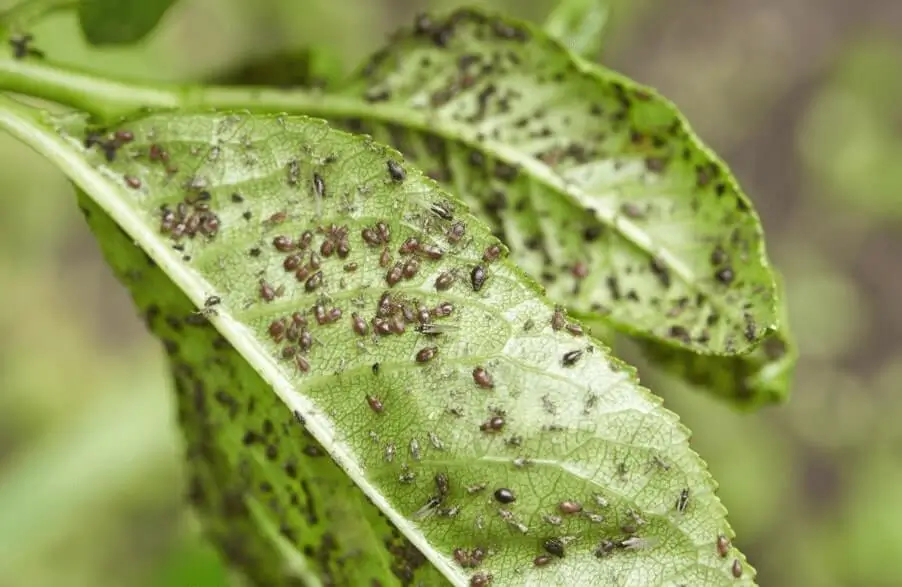
Aphids are one of the most common pests affecting potted fruit trees, quietly weakening plants by sucking sap and spreading disease. If left untreated, they can cause leaf curling, stunted growth, and reduced fruit production. In this guide, you’ll learn how to quickly identify aphid infestations, apply effective treatment methods, and prevent them from returning—so your container fruit trees stay healthy, productive, and pest-free.
Why Aphids on Fruit Trees in Pots Matter More Than You Think
Container fruit gardening creates a unique micro-environment. While pots give you flexibility and control, they also make trees more vulnerable to pests like aphids.
Why aphids thrive on potted fruit trees
- Tender growth: Container trees are often fertilized to encourage compact growth, producing soft shoots aphids love.
- Limited root buffering: Stress from watering mistakes or temperature swings weakens plant defenses.
- Close spacing: Balconies and patios allow aphids to spread quickly from one pot to another.
- Reduced predators: Natural aphid enemies are less common in urban or indoor-adjacent spaces.
If you’re already dealing with stress-related issues like leaf drop or weak growth, addressing aphids should go hand in hand with improving overall tree care. Our guide on proper container fruit tree care for beginners explains how balanced watering and nutrition reduce pest pressure naturally.
How to Identify Aphids on Fruit Trees in Pots (Early Detection)
Early detection makes treatment faster and easier.
Common signs of aphids
- Clusters of tiny green, black, brown, or yellow insects on new shoots
- Leaves curling inward or twisting
- Sticky residue (honeydew) on leaves or pots
- Ants climbing the tree or pot
- Yellowing or distorted growth
Where to look first
- Undersides of young leaves
- New shoot tips
- Flower buds and early fruitlets
Check your trees weekly, especially in spring and early summer when aphids reproduce rapidly.
Step-by-Step Solutions for Aphids on Fruit Trees in Pots
Step 1: Isolate the affected tree
Move the infested pot away from other plants immediately. Aphids spread easily, especially in small spaces.
Step 2: Physically remove aphids
For light infestations:
- Spray leaves (especially undersides) with a strong stream of water
- Gently wipe colonies off with a damp cloth or gloved fingers
Repeat every 2–3 days to break the reproduction cycle.
Step 3: Apply natural treatments safe for containers
Neem oil
- Mix according to label instructions
- Spray in early morning or evening
- Effective against aphids and eggs
Insecticidal soap
- Works on contact
- Safe for most fruit trees
- Avoid spraying in hot sun
DIY mild soap solution
- 1 teaspoon liquid castile soap per liter of water
- Test on one leaf before full application
If your tree is already weakened, review why potted fruit trees struggle in summer heat to avoid compounding stress while treating pests.
Step 4: Control ants (often overlooked)
Ants “farm” aphids for honeydew and protect them from predators.
- Apply sticky barriers to pot rims
- Remove nearby ant nests
- Keep soil surface clean
Without ants, aphid populations decline much faster.
Prevention Strategies That Actually Work
Avoid over-fertilizing
Excess nitrogen creates lush, weak growth that attracts aphids. Use slow-release fertilizers and avoid frequent liquid feeds.
Encourage beneficial insects
- Ladybugs
- Lacewings
- Hoverflies
Even balconies can attract them with flowering companion plants.
Prune strategically
Remove excess soft growth and water sprouts where aphids concentrate.
Improve airflow and sunlight
Crowded, shaded plants are more prone to infestations. Good spacing also helps prevent fungal problems. If you grow trees on rooftops or terraces, our article on common rooftop fruit tree problems covers layout and exposure tips.
Common Mistakes Beginners Make with Aphids in Containers
Using strong chemical pesticides
- Harms beneficial insects
- Can stress potted trees
- Often leads to rebound infestations
Ignoring early signs
Waiting until leaves are badly curled makes control harder and slows recovery.
Treating once and stopping
Aphids reproduce quickly. Treatments must be repeated every 5–7 days until no signs remain.
Overwatering after treatment
Wet soil combined with stress encourages root problems. If you’re unsure about watering balance, see how watering mistakes weaken potted fruit trees.
Tools, Soil, and Care Tips to Reduce Aphid Risk
- Well-draining potting mix: Prevents root stress that attracts pests
- Appropriate container size: Avoid root binding
- Balanced fertilizer: Slow, steady nutrition
- Regular inspection routine: 5 minutes per week saves months of damage
Healthy roots equal stronger natural resistance.
FAQ: Aphids on Fruit Trees in Pots
Are aphids dangerous to fruit trees in containers?
Yes. In pots, aphids cause faster stress, reduced fruiting, and can transmit plant viruses if not controlled early.
Can aphids kill a potted fruit tree?
Rarely, but severe infestations can stunt growth long-term and cause repeated crop failure.
How often should I spray neem oil for aphids?
Every 7 days until aphids are gone, then once every 2–3 weeks as prevention if needed.
Do aphids live in potting soil?
No. They live on plant tissue, but ants may nest in soil and reintroduce them.
Will aphids come back every year?
They often do, especially in spring. Prevention and early checks reduce repeat outbreaks dramatically.
Conclusion: Take Control of Aphids Before They Take Over
Aphids on fruit trees in pots may be common, but they’re far from unbeatable. By spotting early signs, using gentle yet effective treatments, and improving overall container care, you can protect your trees without resorting to harsh chemicals. The key is consistency—regular inspections, balanced feeding, and quick action at the first hint of trouble.
Start today by checking the undersides of leaves on your potted fruit trees. If aphids are present, act immediately using the steps above. Healthy, stress-free trees not only resist pests better—they reward you with stronger growth and better harvests season after season.