
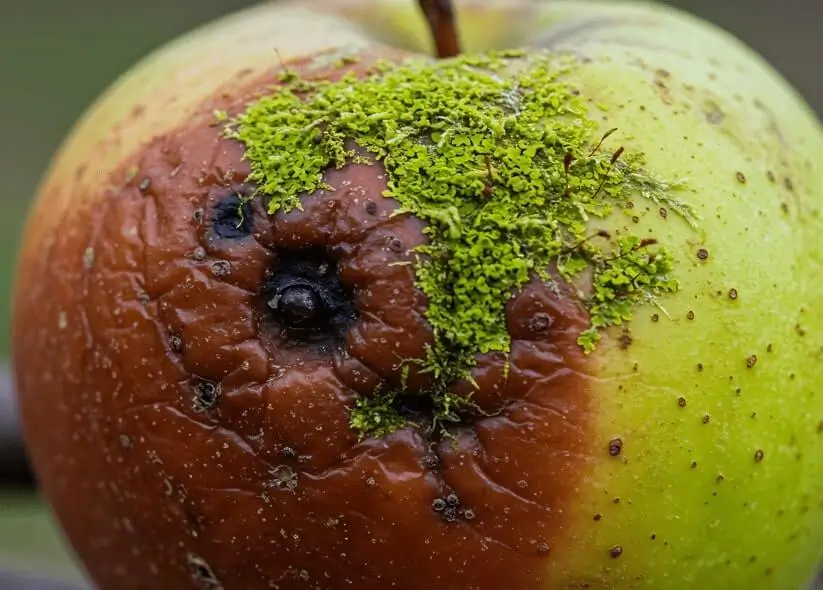
Mold growth on the surface of your fruit tree’s soil can be alarming, especially for container gardeners who carefully manage their plants in limited spaces. While it often appears as white, fuzzy patches or greenish layers, soil mold is usually a sign of excess moisture, poor airflow, or organic matter breaking down. Understanding why mold forms, whether it’s harmful, and how to eliminate it effectively will help you maintain healthy, productive fruit trees in pots.
Why Mold Growth on Fruit Tree Soil Matters in Container Gardening
In ground-grown fruit trees, excess moisture can drain deep into the soil. Containers don’t have that luxury. Everything—water, nutrients, fungi, and airflow—is confined to a small space. That’s why mold growth on fruit tree soil is far more common in pots than in garden beds.
Mold vs. Fungus: What’s the Difference?
Most soil mold you see on the surface is saprophytic fungus. It feeds on decaying organic matter like compost, bark, or peat moss. This type of mold usually:
- Grows on the soil surface
- Appears white, gray, or slightly green
- Does not directly attack roots
However, persistent mold can signal conditions that do harm fruit trees, such as poor drainage or constant overwatering.
Why Beginners Should Pay Attention
Ignoring mold growth on fruit tree soil can lead to bigger problems:
- Root oxygen deprivation
- Increased risk of root rot
- Attraction of pests like fungus gnats
If you’ve ever dealt with fungus gnat infestations in potted fruit trees, moldy soil is often the underlying trigger.
What Causes Mold Growth on Fruit Tree Soil?
Understanding the root cause is the fastest way to solve the problem permanently.
1. Overwatering (Most Common Cause)
Waterlogged soil creates the perfect environment for mold spores to grow. This happens when:
- You water on a fixed schedule instead of checking moisture
- Pots lack proper drainage holes
- Saucers are left full of standing water
If your soil stays wet for days, mold growth on fruit tree soil is almost inevitable.
2. Poor Air Circulation
Indoor balconies, patios, or crowded plant arrangements trap humidity. Mold thrives in still, damp air—especially during cooler months.
3. Organic-Rich or Old Potting Mix
High-quality potting soil contains compost and organic matter, which is great for fruit trees—but also feeds mold when conditions are too wet.
Reusing old soil without refreshing it increases the risk even more.
4. Low Light Conditions
Fruit trees grown in shade or indoors dry much slower. Low light slows evaporation, allowing mold to colonize the soil surface.
Is Mold Growth on Fruit Tree Soil Harmful?
Not always—but context matters.
When Mold Is Mostly Harmless
- Thin white fuzz on the soil surface
- No foul smell
- Tree shows healthy leaves and steady growth
In this case, mold is more of a warning sign than a direct threat.
When Mold Becomes a Real Problem
- Thick, spreading mold layer
- Musty or rotten odor
- Wilting leaves despite wet soil
- Yellowing or leaf drop
These symptoms often overlap with root disease in container fruit trees, which should be addressed immediately.
Step-by-Step: How to Remove Mold Growth from Fruit Tree Soil
Step 1: Stop Watering Temporarily
Let the top 2–3 inches of soil dry out completely. Mold cannot survive in dry conditions.
Step 2: Remove Visible Mold
- Use a spoon or small trowel
- Gently scrape off the top moldy layer
- Dispose of it—don’t compost it indoors
Step 3: Improve Airflow
- Space pots farther apart
- Move containers outdoors if possible
- Use a small fan for indoor setups
Step 4: Replace the Topsoil Layer
Add fresh, well-draining potting mix to replace what you removed.
Step 5: Optional Natural Treatments
Sprinkle cinnamon powder lightly on the soil surface—it has natural antifungal properties. This can help slow mold regrowth.
Long-Term Prevention: Best Practices for Mold-Free Fruit Tree Soil
Use the Right Potting Mix
Choose a fast-draining mix designed for container fruit trees. It should include:
- Perlite or pumice
- Coco coir or bark fines
- Minimal peat moss
Avoid heavy garden soil in pots—it holds too much moisture.
Choose Containers with Excellent Drainage
Containers should:
- Have multiple drainage holes
- Be slightly elevated off the ground
- Match the tree’s root size (not oversized)
Oversized pots dry slowly and encourage mold growth on fruit tree soil.
Water Smarter, Not More
Instead of watering on schedule:
- Check moisture with your finger
- Water deeply, then allow partial drying
- Empty saucers after watering
If you’re unsure, it’s better to underwater slightly than overwater.
Increase Sun Exposure
Most fruit trees need 6–8 hours of sunlight daily. More sun = faster soil drying = less mold.
Common Beginner Mistakes That Cause Mold Growth on Fruit Tree Soil
Mistake 1: Misting the Soil Surface
Misting keeps the topsoil constantly damp—ideal for mold.
Mistake 2: Ignoring Drainage Holes
Decorative pots without drainage are a major cause of soil mold and root problems.
Mistake 3: Reusing Old, Contaminated Soil
Old soil often contains fungal spores. Refresh or replace it annually.
Mistake 4: Treating Mold Instead of Fixing Conditions
Sprays alone won’t help unless you correct watering, airflow, and drainage.
Tools and Supplies That Help Prevent Soil Mold
- Moisture meter – prevents overwatering
- Perlite or pumice – improves drainage
- Breathable fabric pots – reduce excess moisture
- Bottom pot risers – improve airflow under containers
If mold is recurring alongside insects, read more about controlling fungus gnats in fruit tree pots, as both issues often appear together.
FAQ: Mold Growth on Fruit Tree Soil
Is white mold on fruit tree soil dangerous?
Usually no. White surface mold is often harmless but indicates excess moisture.
Can mold kill my fruit tree?
Indirectly, yes. Persistent mold can signal conditions that cause root rot.
Should I use fungicide on moldy soil?
Chemical fungicides are rarely needed. Fixing drainage and watering is more effective.
Can I reuse moldy soil?
It’s better to remove affected soil or sterilize it before reuse.
Does mulch cause mold in containers?
Organic mulch can trap moisture. Use thin layers or inorganic mulch like gravel.
Conclusion: Keep Mold Growth on Fruit Tree Soil Under Control
Mold growth on fruit tree soil is not a death sentence—it’s a message. Your container is holding too much moisture, lacks airflow, or uses the wrong soil mix. By adjusting how you water, improving drainage, and refreshing the soil surface, you can eliminate mold quickly and prevent it from returning.
As a next step, inspect all your container fruit trees for similar conditions. If mold keeps coming back, consider repotting with a lighter mix and upgrading your containers. Healthy soil is the foundation of healthy fruit trees—and once you master it, everything else becomes easier.