
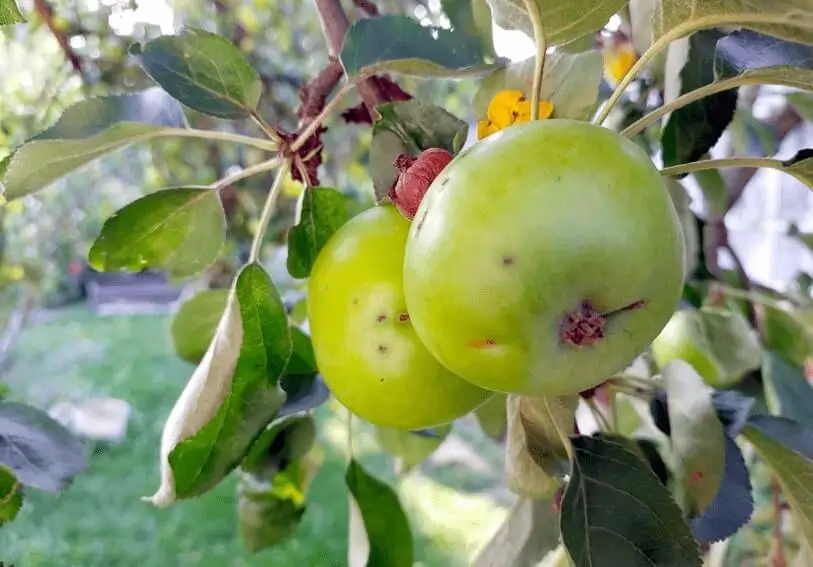
Growing fruit trees in containers is a rewarding way to enjoy fresh harvests in small spaces, but seeing misshapen or deformed fruits can be frustrating. Whether your tomatoes are uneven, your citrus fruits are lumpy, or your apples are oddly shaped, these issues often signal underlying problems in pollination, nutrition, or environmental conditions. The good news is that most causes are easy to identify and fix. In this guide, you’ll discover why fruit becomes misshapen and how to prevent it, so your container garden produces healthy, attractive, and delicious harvests.
Why Fruit Trees Producing Misshapen Fruit Matters in Container Gardening
Container fruit trees live in a more controlled—but also more fragile—environment than in-ground trees. When something goes wrong, the tree shows stress quickly, often through distorted fruit.
Misshapen fruit matters because it can signal:
- Poor pollination or lack of pollinators
- Nutrient imbalances in potting soil
- Irregular watering patterns
- Pest or disease pressure
- Environmental stress (heat, wind, cold snaps)
While oddly shaped fruit is usually safe to eat, it often comes with reduced size, lower yield, and sometimes poor flavor. Left uncorrected, the same underlying issue can lead to flower drop, fruit drop, or declining tree health in future seasons.
Container growers must be proactive—small mistakes have bigger consequences when roots are confined.
Common Causes of Fruit Trees Producing Misshapen Fruit
1. Incomplete or Poor Pollination
One of the most common reasons fruit trees produce misshapen fruit is incomplete pollination.
Each seed inside a fruit develops only when a flower is properly pollinated. When some ovules are fertilized and others are not, the fruit grows unevenly—resulting in lopsided or knobby shapes.
This is especially common in:
- Balcony gardens
- High-rise apartments
- Indoor or greenhouse setups
If your area lacks bees, butterflies, or other pollinators, fruit shape suffers first.
➡️ Learn how to solve this in our guide on hand-pollinating fruit trees in small spaces.
2. Irregular Watering in Containers
Container soil dries out much faster than garden soil. When a fruit tree alternates between drought stress and overwatering, fruit growth becomes inconsistent.
Symptoms include:
- Misshapen or cracked fruit
- Tough skin or corky patches
- Fruit drop before ripening
Water stress during early fruit development is particularly damaging, as cells divide unevenly.
➡️ For a deeper look, see our article on proper watering schedules for potted fruit trees.
3. Nutrient Imbalance (Too Much or Too Little)
Fruit trees producing misshapen fruit are often reacting to nutrient stress, not just lack of fertilizer.
Common mistakes include:
- Excess nitrogen → fast leaf growth, poor fruit shape
- Calcium deficiency → bumpy, cracked, or corky fruit
- Potassium imbalance → uneven fruit swelling
Container soil nutrients deplete quickly, especially after heavy watering.
➡️ Our guide on choosing the best fertilizer for container fruit trees explains exactly what to use and when.
4. Pest Damage During Fruit Formation
Even small pest damage early in fruit development can permanently distort fruit shape.
Watch for:
- Aphids feeding on flowers
- Thrips scarring young fruit
- Mites damaging cell tissue
Damage at the blossom stage often shows up weeks later as misshapen fruit.
➡️ Learn safe solutions in organic pest control for edible plants.
5. Temperature Stress and Environmental Extremes
Sudden temperature swings—especially cold nights during flowering—can disrupt pollination and fruit formation.
Common triggers include:
- Late spring frosts
- Heat waves above 32°C (90°F)
- Strong drying winds on balconies
Container trees heat up and cool down faster than in-ground trees, making them more vulnerable.
Step-by-Step: How to Fix Fruit Trees Producing Misshapen Fruit
Step 1: Improve Pollination Immediately
If you suspect poor pollination:
- Hand-pollinate flowers using a soft paintbrush
- Gently transfer pollen between flowers every morning
- Grow pollinator-friendly plants nearby (basil, lavender, marigolds)
This alone can dramatically improve fruit shape.
Step 2: Establish Consistent Watering
Use these container-specific tips:
- Water deeply until it drains from the bottom
- Never let soil dry completely during fruiting
- Use mulch to reduce evaporation
- Consider self-watering containers
Consistency matters more than volume.
Step 3: Correct Your Fertilization Strategy
Switch from high-nitrogen feeds to balanced or fruit-focused fertilizers once flowering begins.
Ideal nutrient focus during fruiting:
- Moderate nitrogen
- Adequate potassium
- Calcium supplementation if needed
Liquid feeds every 2–3 weeks work best in containers.
Step 4: Thin Excess Fruit Early
Overloaded branches force the tree to divide resources unevenly.
How to thin correctly:
- Remove damaged or small fruit first
- Leave fruit spaced 10–15 cm (4–6 inches) apart
- Thin within 3–4 weeks of fruit set
Thinning improves both shape and size.
Step 5: Monitor and Control Pests Early
Inspect flowers and young fruit weekly. Early intervention prevents permanent deformation.
Use:
- Neem oil (before fruit forms)
- Insecticidal soap
- Manual removal when possible
Common Beginner Mistakes That Lead to Misshapen Fruit
- Overfertilizing with nitrogen-heavy products
- Letting pots dry out between waterings
- Ignoring lack of pollinators in urban spaces
- Skipping fruit thinning
- Using compacted or exhausted potting soil
Many gardeners assume misshapen fruit is “normal” for containers—it’s not.
Tools, Containers, and Care Tips That Make a Difference
Best Container Choices
- Minimum 40–60 liters (10–15 gallons) for fruit trees
- Drainage holes are non-negotiable
- Light-colored pots reduce heat stress
Soil Matters
- Use high-quality, well-draining potting mix
- Refresh or replace soil every 2–3 years
- Add compost annually for micronutrients
Helpful Tools
- Moisture meter for consistent watering
- Soft brush for hand pollination
- Slow-release organic fertilizer
- Mulch (straw, bark, coconut coir)
FAQ: Fruit Trees Producing Misshapen Fruit
Why are my fruits lopsided on one side?
This usually means incomplete pollination—some seeds developed while others did not.
Can misshapen fruit still be eaten?
Yes. Misshapen fruit is generally safe and nutritious, though appearance and size may be affected.
Will fruit shape improve next season?
Absolutely—once the underlying issue (pollination, water, nutrients) is fixed.
Do container fruit trees need hand pollination?
Often yes, especially on balconies or indoors where pollinators are scarce.
Does pruning affect fruit shape?
Indirectly. Proper pruning improves airflow, light exposure, and pollination efficiency.
Conclusion: Get Better-Shaped Fruit Starting This Season
Fruit trees producing misshapen fruit are telling you something important—but it’s rarely permanent damage. In container gardening, small adjustments make big improvements.
Focus on:
- Reliable pollination
- Consistent watering
- Balanced nutrition
- Early pest control
- Proper fruit thinning
With these steps, your next harvest can be just as productive—and attractive—as in-ground trees. Start with one change today, observe your tree closely, and refine your care routine as the season progresses.
Healthy fruit shape is not luck—it’s informed care.