
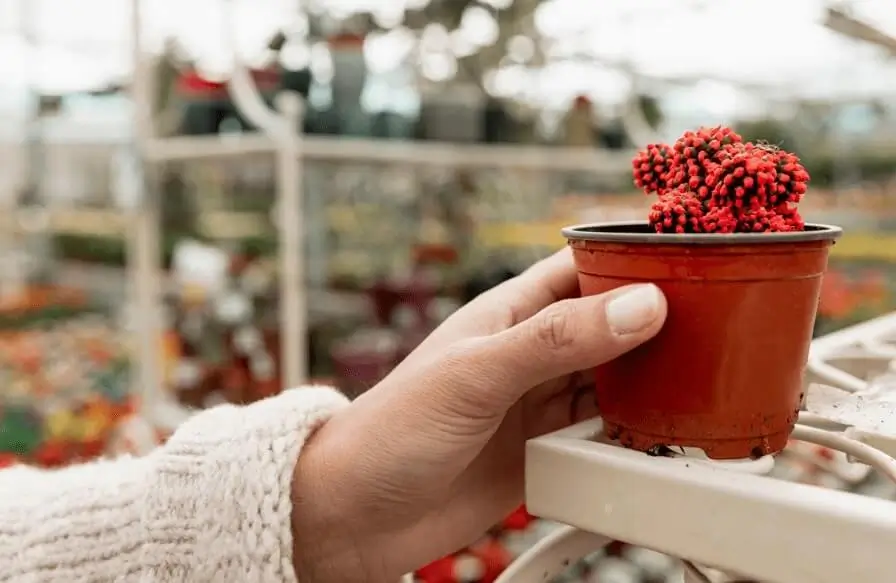
Growing fruit trees in containers does not require expensive commercial pots or large garden spaces. With a little creativity, you can transform everyday household items into stylish, functional planters that support healthy fruit tree growth. DIY container ideas are perfect for gardeners who want affordable, eco-friendly, and space-saving solutions while adding personality to patios, balconies, rooftops, and small urban gardens.
Why DIY Container Ideas Matter for Fruit Tree Gardening
Container fruit gardening isn’t just about putting a tree in a pot—it’s about root health, drainage, stability, and long-term growth. DIY containers let you customize all these factors.
Key Benefits of DIY Containers for Fruit Trees
- Cost savings: DIY containers often cost 50–70% less than large nursery pots.
- Custom sizing: Match container size to the tree’s root system instead of settling for “close enough.”
- Better drainage control: You decide where and how to place drainage holes.
- Sustainability: Reusing materials reduces waste and supports eco-friendly gardening.
- Space optimization: Ideal for balconies, rooftops, and tight patios.
If you’re growing fruit trees on a balcony or terrace, DIY containers pair perfectly with strategies explained in space-saving balcony fruit tree setups and container fruit gardening for renters, where flexibility and portability matter most.
Best DIY Container Ideas for Fruit Trees (Step-by-Step)
1. Wooden Crate Fruit Tree Containers
Best for: Dwarf apples, figs, citrus, peaches
Pros: Breathable, rustic look, easy to customize
Cons: Needs lining to prevent rot
Pros: Breathable, rustic look, easy to customize
Cons: Needs lining to prevent rot
How to build it:
- Choose a sturdy wooden crate (minimum 18–24 inches deep).
- Drill 6–10 drainage holes at the bottom.
- Line the inside with landscape fabric or burlap.
- Add a thin layer of gravel, then quality potting mix.
- Plant your fruit tree and mulch lightly.
💡 Tip: Elevate the crate on pot feet to improve drainage and airflow—an approach that also helps prevent root rot, a common issue discussed in drainage solutions for container fruit trees.
2. Food-Grade Plastic Barrel Planters
Best for: Citrus, avocado, dwarf cherry
Pros: Extremely durable, large volume, long lifespan
Cons: Requires tools to cut and drill
Pros: Extremely durable, large volume, long lifespan
Cons: Requires tools to cut and drill
Steps:
- Use a food-grade barrel (avoid chemical barrels).
- Cut the barrel in half or use it full-size for large trees.
- Drill multiple drainage holes.
- Add a drainage layer and well-aerated potting mix.
This option works especially well if you’re growing long-term fruit trees and don’t want to repot frequently—an issue covered in the article on how long fruit trees live in pots.
3. Fabric Grow Bags (DIY or Modified)
Best for: Figs, blueberries, dwarf plums
Pros: Excellent drainage, prevents root circling
Cons: Less decorative, dries out faster
Pros: Excellent drainage, prevents root circling
Cons: Less decorative, dries out faster
You can DIY grow bags using:
- Heavy landscape fabric
- Breathable geotextile material
- Reinforced handles for portability
These containers are ideal if you plan to move trees seasonally, such as bringing citrus indoors during winter—something explained in the article “How to Move Fruit Trees Indoors Safely.”
4. Upcycled Trash Bins & Storage Totes
Best for: Budget gardeners, beginners
Pros: Cheap, widely available, customizable size
Cons: Requires careful drainage setup
Pros: Cheap, widely available, customizable size
Cons: Requires careful drainage setup
How to do it right:
- Use thick, UV-resistant plastic.
- Drill 8–12 drainage holes.
- Avoid black containers in hot climates unless shaded (they overheat roots).
Pair this container style with heat-management techniques found in container fruit gardening in hot climates.
5. Stacked DIY Planters for Tight Spaces
Best for: Strawberries, dwarf citrus (young trees)
Pros: Maximizes vertical space
Cons: Limited root volume (not for mature trees)
Pros: Maximizes vertical space
Cons: Limited root volume (not for mature trees)
Use this idea for temporary or starter trees, then transition to larger containers as they grow.
Choosing the Right DIY Container Size (Critical!)
Container size directly affects fruit production, root health, and watering frequency.
General size guide:
- Young dwarf trees: 10–15 gallons
- Mature dwarf trees: 20–30 gallons
- Semi-dwarf trees: 30–45 gallons (long-term)
Undersized containers are among the most common mistakes beginners make and often lead to weak growth or poor yields—a problem the best fruit trees for small containers address.
Soil, Drainage & Setup Tips for DIY Containers
The Ideal DIY Container Soil Mix
- 60% high-quality potting mix
- 20% compost
- 20% perlite or pine bark fines
Avoid garden soil—it compacts easily and suffocates roots.
Drainage Essentials
- Minimum 4–6 holes for medium containers
- Use pot feet or bricks to elevate containers.
- Never block holes with rocks alone (use fabric instead)
For a deeper explanation, see proper drainage tips for container fruit trees.
Common DIY Container Mistakes Beginners Make
❌ Using Untreated Wood
Untreated wood rots quickly. Always line or seal wooden containers.
❌ Poor Drainage Design
One hole is not enough. Multiple drainage points are essential.
❌ Choosing Style Over Function
A beautiful container is useless if the roots overheat or drown.
❌ Ignoring Weight Limits
Balconies have load limits—lightweight DIY containers are safer. This is especially important for anyone growing in elevated spaces, as discussed in the balcony fruit gardening safety tips.
Tools & Materials Checklist
- Power drill + hole saw.
- Landscape fabric or burlap
- Food-safe sealant (for wood)
- Measuring tape
- Pot feet or bricks
- Quality potting mix
Optional upgrades:
- Wheels for mobility
- Reflective wrap for heat control
- Slow-release organic fertilizer
FAQ: DIY Container Ideas for Fruit Trees
What is the best DIY container for fruit trees?
Food-grade barrels and wooden crates lined with fabric offer the best balance of size, durability, and root health.
Can I grow fruit trees in buckets?
Yes, but only short-term. Buckets must have multiple drainage holes and are best for young dwarf trees.
How long do DIY containers last?
Plastic containers can last 10+ years. Wooden containers typically last 3–6 years with proper lining.
Are DIY containers safe for edible plants?
Yes—if you use food-grade materials and avoid treated wood or chemical containers.
Do DIY containers affect fruit yield?
Absolutely. Proper size, drainage, and soil quality directly influence flowering and fruiting.
Conclusion: Build Smart, Grow Better
DIY container ideas for fruit trees give you full control over cost, space, and performance. Whether you’re using wooden crates, barrels, fabric bags, or upcycled bins, the key is thoughtful design: adequate size, excellent drainage, and high-quality soil.
Next steps:
- Choose one DIY container style from this guide.
- Match the container size to your fruit tree type.
- Set up proper drainage and soil from day one.
With the right DIY container, your fruit tree won’t just grow—it will thrive, even in the smallest space. 🌱🍎