
Growing citrus trees in containers is one of the easiest and most rewarding ways to enjoy fresh fruit at home, even if you only have a small balcony, patio, or sunny indoor space. From lemons and limes to oranges and mandarins, citrus trees can thrive in pots when given the right care and attention. Their glossy green leaves, fragrant blossoms, and colorful fruits also make them beautiful ornamental plants for any home garden.
The good news is that caring for citrus trees in containers is much simpler than many beginners think. With proper watering, sunlight, fertilizing, pruning, and seasonal care, your potted citrus tree can stay healthy and productive for many years. Container growing also gives you more control over soil quality, drainage, and protection from harsh weather conditions.
In this complete beginner-friendly guide, you’ll learn everything you need to know about caring for citrus trees in containers. We’ll cover the best watering practices, sunlight requirements, fertilizer tips, common problems, pruning methods, and seasonal care techniques to help your citrus trees grow strong and produce delicious fruit year after year.
Why Citrus Trees Thrive in Containers
Key Benefits of Container Citrus Growing
- Easier climate control (move plants indoors or outdoors)
- Better soil and drainage management
- Ideal for renters and small-space gardeners
- Reduced risk of soil-borne diseases
Choosing the Right Citrus Tree for Containers
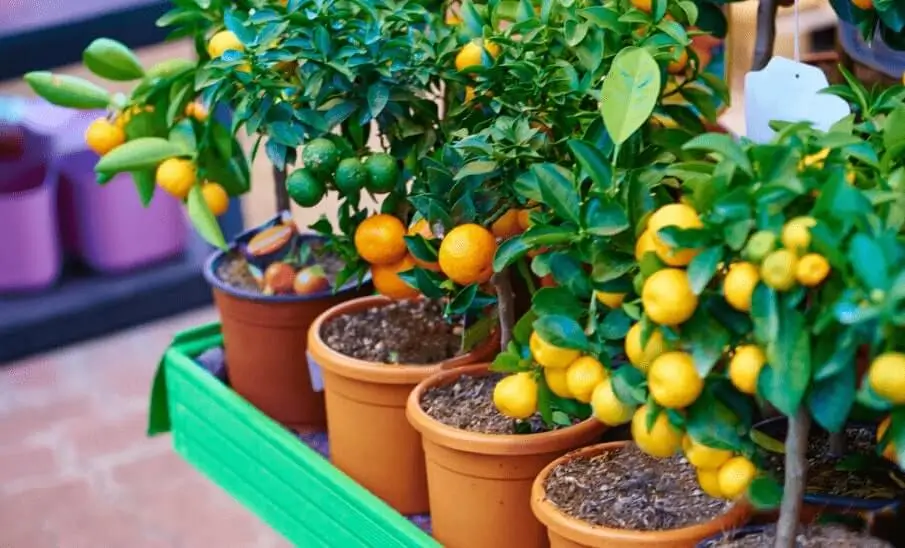
Best Citrus Varieties for Containers
- Lemon (Meyer lemon is a favourite)
- Lime (Key lime, Bearss lime)
- Mandarin and clementine
- Calamondin orange
Dwarf vs. Semi-Dwarf Trees
- Dwarf citrus: Best for long-term container growth
- Semi-dwarf citrus: Suitable for large pots with regular pruning
Selecting the Perfect Container
Ideal Pot Size
- Young trees: 12–14 inches wide
- Mature trees: 18–24 inches or larger
Container Material Matters
- Terracotta: Breathable but dries quickly
- Plastic or resin: Lightweight and moisture-retentive
- Fabric grow bags: Excellent drainage and air pruning.
Best Soil for Container Citrus Trees
Ideal Citrus Potting Mix Should:
- Drain quickly
- Retain some moisture
- Allow oxygen to reach roots.
- 50% high-quality potting mix
- 25% perlite or pumice
- 25% compost or aged bark
Sunlight Requirements for Healthy Citrus Growth
How Much Sun Do Citrus Trees Need?
- Minimum: 6 hours per day
- Ideal: 8–10 hours of direct sunlight
Signs of Insufficient Light
- Sparse foliage
- Leaf drop
- Poor flowering
- Little to no fruit

Watering Citrus Trees in Containers (The Right Way)
How Often Should You Water?
Best Watering Practices
- Water deeply until the excess drains out
- Never let pots sit in standing water.
- Reduce watering in winter.
Signs of Overwatering
- Yellow leaves
- Root rot smell
- Leaf drop without dryness
Signs of Underwatering
- Wilted leaves
- Dry, crumbly soil
- Leaf curl
Fertilizing Citrus Trees in Containers
Best Fertilizer Types
- Slow-release citrus fertilizer
- Liquid citrus feed (bi-weekly during growth)
- Organic options like fish emulsion or seaweed extract
Fertilizing Schedule
| Season | Frequency |
| Spring | Every 2–3 weeks |
| Summer | Every 2 weeks |
| Fall | Monthly |
| Winter | Stop or reduce significantly |
Pruning and Shaping Container Citrus Trees
When to Prune
- Late winter or early spring
- Light trimming throughout the growing season
Pruning Goals
- Remove dead or crossing branches.
- Improve airflow
- Maintain size and shape.
Temperature, Climate & Winter Care
Ideal Temperature Range
- Day: 65–85°F (18–29°C)
- Night: Above 45°F (7°C)
How to Overwinter Citrus in Containers
- Move indoors before frost.
- Place near a bright window
- Reduce watering
- Increase humidity with trays or humidifiers.
Common Mistakes When Caring for Citrus Trees in Containers
- Using garden soil in pots
- Overwatering “on a schedule.”
- Ignoring drainage
- Skipping fertilizer
- Not providing enough sunlight.
Pro Tips for Long-Term Success
- Repot every 2–3 years.
- Flush soil occasionally to remove salt buildup.
- Mulch the soil surface with bark or straw
- Hand-pollinate indoor flowers with a soft brush