
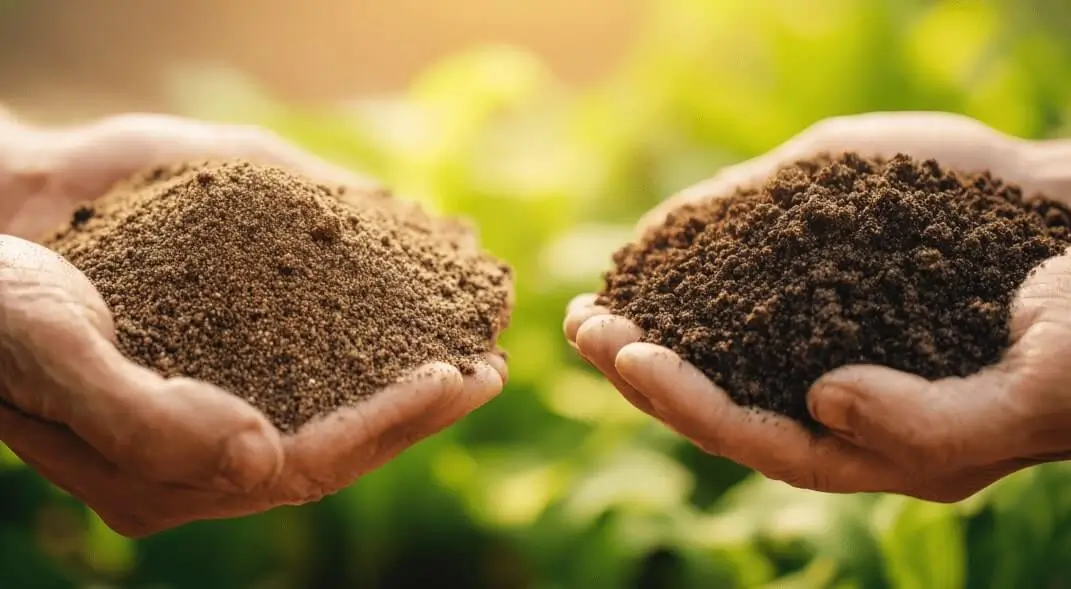
Choosing the right fertilizer is one of the most important decisions in container fruit gardening. Many gardeners wonder whether organic fertilizers or chemical fertilizers produce healthier plants, sweeter fruits, and better long-term results. Both options can support fruit tree growth, but they work in very different ways. Understanding the advantages and disadvantages of each fertilizer type will help you create a healthier soil environment, improve nutrient absorption, and achieve better harvests in containers.
Why Organic vs Chemical Fertilizers Matter for Container Fruit Gardening
Fertilization decisions matter more in containers than in garden beds. In the ground, soil biology and depth help buffer mistakes. In pots, everything is concentrated.
Here’s why the organic vs chemical fertilizers debate is especially important for container fruit gardening:
- Limited soil volume means nutrients are used up quickly.
- Frequent watering flushes nutrients out of pots.
- Salt buildup can damage roots faster in containers.
- Microbial life is reduced compared to in-ground soil.
Fruit trees and edible plants grown in pots depend entirely on you for balanced nutrition. Understanding how different fertilizer types behave helps prevent problems like leaf burn, poor flowering, and weak root systems.
What Are Organic Fertilizers?
Organic fertilizers come from natural plant or animal sources and release nutrients slowly as soil microbes break them down.
Common Organic Fertilizers for Containers
- Compost
- Worm castings
- Fish emulsion
- Seaweed or kelp extract
- Bone meal
- Manure-based pellets
How Organic Fertilizers Work in Pots
Organic fertilizers rely on microbial activity to convert nutrients into plant-available forms. This creates a slow, steady feeding process, which is ideal for long-term growth of container fruit.
Benefits of container fruit gardening:
- Improves soil structure and moisture retention
- Feeds beneficial microbes
- Reduces risk of overfertilizing
- Supports long-term root health
However, organic fertilizers act more slowly and may not correct nutrient deficiencies overnight.
What Are Chemical (Synthetic) Fertilizers?
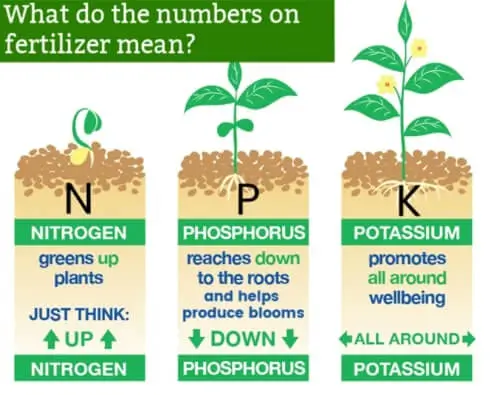
Chemical fertilizers are manufactured products with nutrients in immediately available forms. They’re often labelled with precise NPK ratios (nitrogen, phosphorus, potassium).
Common Chemical Fertilizers for Containers
- Water-soluble fertilizers
- Granular slow-release fertilizers
- Liquid synthetic feeds
How Chemical Fertilizers Work in Pots
Chemical fertilizers dissolve quickly and deliver nutrients directly to plant roots. This makes them fast-acting and easy to control—but also easier to misuse.
Benefits of container fruit gardening:
- Immediate results
- Precise nutrient control
- Easy to apply
- Useful for correcting deficiencies quickly
The downside is a higher risk of salt buildup and root damage if applied incorrectly.
Organic vs Chemical Fertilizers: Side-by-Side Comparison
| Feature | Organic Fertilizers | Chemical Fertilizers |
| Nutrient release | Slow and steady | Fast and immediate |
| Risk of root burn | Very low | Moderate to high |
| Soil health | Improves over time | No soil improvement |
| Ease of use | Moderate | Easy |
| Long-term sustainability | Excellent | Moderate |
| Ideal for beginners | Yes | With caution |
For container fruit gardening, the best choice often isn’t one or the other—it’s how and when you use them.
Step-by-Step: Choosing the Right Fertilizer for Container Fruit Plants
Step 1: Identify Your Plant’s Growth Stage
- Young trees / leafy growth: Need steady nitrogen
- Flowering & fruiting: Need balanced nutrients with potassium
- Dormant period: Minimal feeding
Organic fertilizers work well during steady growth phases, while chemical fertilizers are useful during high-demand periods.
Step 2: Match Fertilizer Type to Container Conditions
If you struggle with:
- Overwatering → organic fertilizers are safer
- Fast growth needs → chemical fertilizers provide quick results.
- Long-term soil quality → organic fertilizers win.
This is especially important when managing nutrient depletion in pots, a common issue discussed in guides like ” Signs of nutrient deficiency in fruit trees.
Step 3: Apply Correctly and Consistently
- Use smaller doses more often in containers.
- Flush pots with water every 4–6 weeks to prevent salt buildup
- Avoid fertilizing dry soil.
If you’re unsure how often to feed, a seasonal fertilizing schedule for container fruit plants helps align feeding with growth cycles.
Best Practices for Using Organic Fertilizers in Containers
- Mix compost or worm castings into the potting soil at planting.
- Top-dress containers every 6–8 weeks
- Use liquid organic feeds for faster uptake.
- Combine with proper drainage to avoid soggy soil.
Organic fertilizers pair especially well with well-draining soil mixes. If drainage is poor, nutrients won’t reach roots efficiently, which is why improving pot drainage is essential for healthy feeding.
Best Practices for Using Chemical Fertilizers in Containers
- Always dilute liquid fertilizers more than the label instructions.
- Prefer slow-release formulations for fruit trees.
- Avoid fertilizing during extreme heat.
- Never apply to dry soil.
Many beginner issues with chemical fertilizers stem from overfertilizing fruit trees, which can cause leaf scorch and reduced fruiting.
Common Beginner Mistakes with Organic vs Chemical Fertilizers
1. Assuming Organic Means “Unlimited Use.”
Even organic fertilizers can cause problems if overapplied. Nutrient imbalances still matter in containers.
2. Using Chemical Fertilizers Too Frequently
Fast-release nutrients accumulate quickly in pots, leading to root damage.
3. Ignoring Soil pH
Fertilizers don’t work properly if the soil pH is off. Container fruit plants are especially sensitive to incorrect pH levels.
4. Forgetting to Flush Containers
Salt buildup is a silent killer in potted fruit trees—especially with chemical fertilizers.
Tools, Soil, and Container Tips for Better Fertilizing Results
- Use high-quality potting mixes designed for fruit trees.
- Choose containers with multiple drainage holes.
- Keep a measuring cup for liquid fertilizers.
- Track feeding dates in a simple garden log
Healthy fertilization always works best when paired with the right soil mix for container fruit gardening and proper container size.
FAQ: Organic vs Chemical Fertilizers for Container Fruit Gardening
Are organic fertilizers better for fruit trees in pots?
Organic fertilizers are generally safer and improve soil health, making them ideal for long-term container fruit growing.
Can I combine organic and chemical fertilizers?
Yes. Many gardeners use organic fertilizers as a base and chemical fertilizers sparingly during peak growth or fruiting.
How often should I fertilize container fruit plants?
Light feeding every 2–4 weeks during active growth works well, adjusted by fertilizer type.
Do chemical fertilizers damage soil in containers?
They don’t improve soil and can cause salt buildup if overused, but careful application minimizes risks.
What’s the best fertilizer for beginners?
Organic fertilizers or diluted liquid feeds are easiest to manage safely in containers.
Conclusion: The Best Fertilizer Strategy for Container Fruit Gardening
When it comes to organic vs chemical fertilizers, there’s no one-size-fits-all answer—especially for container fruit gardening. Organic fertilizers shine for soil health, root safety, and long-term growth, while chemical fertilizers offer precision and quick results when used carefully.
For most beginners, the smartest approach is a balanced strategy: build healthy soil with organic inputs and supplement with low-dose chemical fertilizers only when plants truly need a boost. Focus on consistency, proper drainage, and seasonal feeding, and your container fruit plants will reward you with stronger growth and better harvests.
Start slow, observe your plants, and adjust—successful fertilizing is as much about timing and care as it is about product choice.