
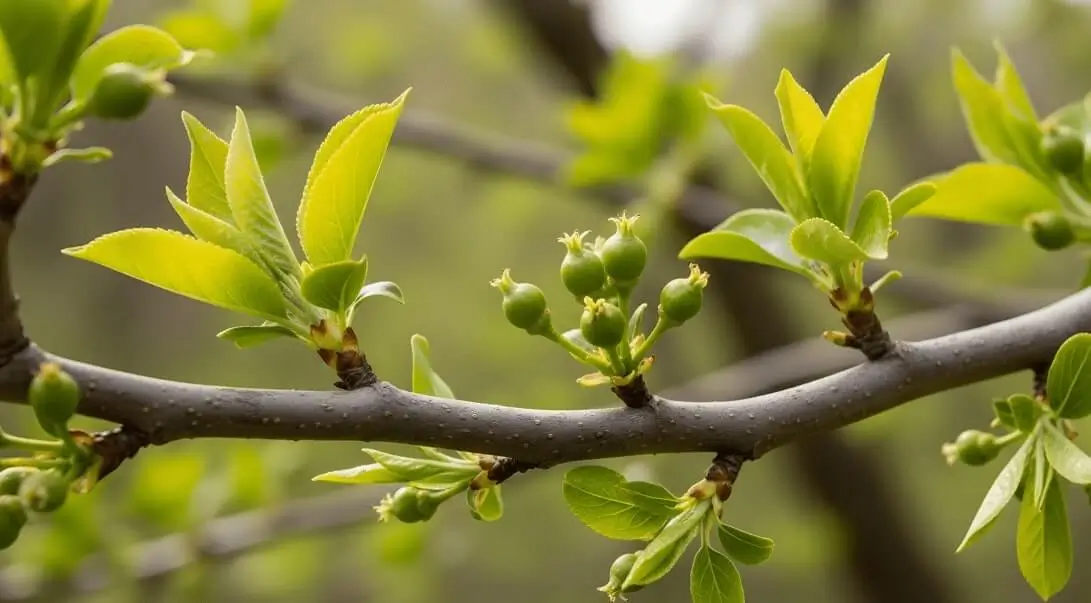
Healthy fruit trees should have rich, vibrant green leaves that signal strong photosynthesis and proper nutrition. When your container-grown fruit trees start developing pale green or yellowish leaves, it’s often a sign that something is off—usually related to nutrients, watering, or environmental stress.
If ignored, pale leaves can lead to weak growth, poor fruit production, and increased vulnerability to pests and diseases. The good news? This issue is usually easy to diagnose and fix once you understand the underlying causes.
Why Pale Green Leaves Matter in Container Fruit Gardening
Container-grown fruit trees live in a controlled but limited environment. Unlike trees in the ground, they rely entirely on you for water, nutrients, soil quality, and root space. When leaves turn pale green, it often means the tree cannot produce enough chlorophyll — the pigment responsible for photosynthesis.
In containers, this matters because:
- Pale leaves reduce photosynthesis, slowing growth and fruit production
- Nutrient problems worsen quickly due to limited soil volume
- Root stress appears earlier and more severely
- Weak foliage often leads to poor flowering and small or dropped fruit
If ignored, pale green leaves can progress to yellowing, leaf drop, or even long-term decline. Addressing the issue early keeps your tree productive and compact — exactly what you want for patios, balconies, and small gardens.
Common Causes of Fruit Trees With Pale Green Leaves
Nitrogen Deficiency (Most Common)
Nitrogen is essential for leaf color and growth. When nitrogen is low, older leaves often turn pale green first, and the tree’s overall vigor declines.
Signs
- Uniform pale green color
- Slower growth
- Smaller leaves
Why it happens in containers
- Frequent watering washes nutrients out
- Potting mix loses fertility over time
Iron Deficiency (Chlorosis)
Iron deficiency causes pale leaves with darker green veins, especially on new growth. This is extremely common in container fruit trees.
Signs
- Young leaves are pale yellow-green
- Veins remain darker green
Common triggers
- High soil pH
- Poor drainage
- Overwatering
If your potting soil smells bad or stays wet, poor oxygen levels may be blocking iron uptake. See this guide on bad-smelling potting soil and how to fix it for related root issues.
Overwatering and Root Stress
Too much water reduces oxygen in the root zone. Roots stop absorbing nutrients properly, leading to pale or dull leaves even when nutrients are present.
Watch for
- Constantly wet soil
- Drooping leaves with pale color
- Algae or mold on soil surface
If you’ve noticed white or green growth on top of your pots, read why mold appears on soil surfaces in containers.
Poor Potting Mix or Compacted Soil
Old or low-quality potting mix breaks down, compacts, and restricts root function.
Results
- Weak nutrient uptake
- Pale leaves despite feeding
- Stunted growth
Container trees need loose, well-draining soil year-round.
Rootbound Trees
When roots circle the pot tightly, they struggle to absorb nutrients and water evenly.
Signs
- Pale leaves despite fertilizing
- Roots visible at drainage holes
- Tree dries out quickly after watering
This often happens alongside stability problems. If your tree feels unstable, see how to fix fruit trees falling over in pots.
Step-by-Step: How to Fix Pale Green Leaves on Fruit Trees
Step 1: Check Watering First
Before adding fertilizer, confirm you’re not overwatering.
- Let the top 2–3 inches of soil dry before watering
- Ensure drainage holes are open
- Never let pots sit in standing water
Correct watering alone often restores leaf color within 2–3 weeks.
Step 2: Feed With a Balanced Fertilizer
Use a slow-release or liquid fertilizer formulated for fruit trees.
Best approach
- Spring to early summer: balanced fertilizer (e.g., 10-10-10 or similar)
- Avoid overfeeding — more is not better
If leaves are pale but growth is weak and spindly, excess nitrogen may also be the issue.
Step 3: Address Iron Deficiency
If young leaves are pale with green veins:
- Use chelated iron (soil drench works best in containers)
- Avoid raising soil pH
- Improve drainage and aeration
Iron sprays can help temporarily but won’t fix root-level problems.
Step 4: Improve Soil Quality
If your potting mix is more than one year old:
- Replace the top 30–40% of soil
- Or repot fully if roots are congested
- Use a high-quality, well-draining fruit tree mix
Healthy soil prevents many pale-leaf issues before they start.
Step 5: Check Root Space
If your tree has been in the same pot for more than 2–3 years:
- Move up one container size
- Gently loosen circling roots
- Replant at the same depth
Restricted roots often cause pale leaves and weak stems. If branches also look thin, review why container fruit trees develop weak stems.
Best Practices to Prevent Pale Green Leaves Long-Term
Use the Right Container
- Minimum 15–20 gallons for most dwarf fruit trees
- Multiple drainage holes
- Avoid shallow decorative pots
Feed Consistently, Not Occasionally
- Slow-release fertilizer every 3–4 months
- Liquid feeding during active growth
- Stop heavy feeding late in the season
Water Deeply, Not Frequently
- Water until it drains out
- Empty saucers after watering
- Adjust frequency based on season
Refresh Soil Regularly
- Top-dress annually with compost or fresh mix
- Fully repot every 2–3 years
Common Beginner Mistakes That Cause Pale Leaves
- Adding fertilizer before checking drainage
- Using garden soil instead of potting mix
- Overwatering during cool weather
- Ignoring rootbound conditions
- Treating symptoms instead of causes
Pale leaves are often blamed on “lack of fertilizer” when the real issue is root health.
Tools and Supplies That Help
- Moisture meter (optional, not required)
- Slow-release fruit tree fertilizer
- Chelated iron (for chlorosis)
- Quality potting mix
- Properly sized containers
You don’t need expensive tools — consistency matters more than products.
FAQ: Fruit Trees With Pale Green Leaves
Why are my fruit tree leaves pale green but not yellow?
This usually indicates mild nitrogen deficiency or early-stage iron chlorosis. The problem is often nutritional or related to watering.
Can pale green leaves turn dark green again?
Yes. Once the underlying issue is corrected, new growth usually appears darker green within a few weeks.
Is pale green leaf color normal in spring?
Slightly lighter new growth is normal, but it should deepen in color as leaves mature.
Should I spray leaves with fertilizer?
Foliar sprays can help temporarily but won’t fix root problems. Soil health matters most.
Do all fruit trees show pale leaves the same way?
No. Citrus, apples, peaches, and figs may show symptoms differently depending on nutrients and soil conditions.
Conclusion: Restore Healthy Color and Strong Growth
Fruit trees with pale green leaves are telling you something important — and in containers, that message comes early. Whether the cause is nutrient imbalance, poor drainage, compacted soil, or root restriction, the solution starts with understanding your tree’s environment.
Focus on proper watering, consistent feeding, good soil, and adequate root space. Most container fruit trees respond quickly once their needs are met, rewarding you with deeper green leaves, stronger growth, and better fruiting.
Take action now, and your container fruit trees will regain their color — and their productivity — faster than you might expect.