
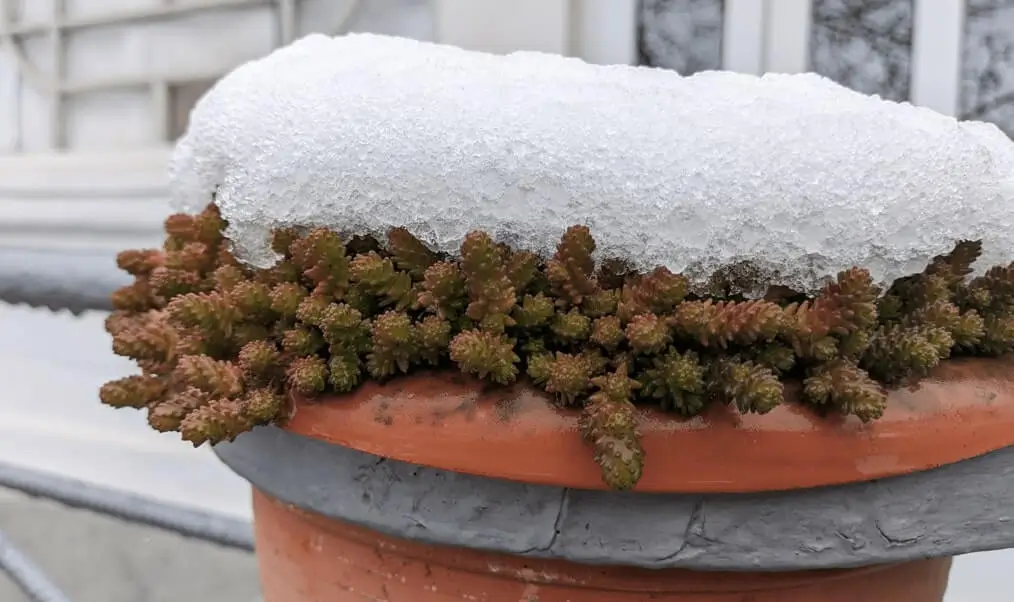
Growing fruit trees in cold regions may seem challenging, but with the right techniques, even gardeners in frost-prone climates can enjoy fresh, homegrown harvests. From selecting hardy fruit varieties to protecting roots during freezing temperatures, container fruit gardening offers flexibility and control that traditional gardening often cannot. This guide explores practical strategies to help your potted fruit trees survive winter, thrive in cool weather, and produce healthy fruit year after year.
Why Container Fruit Gardening in Cold Regions Matters
Cold climates present unique challenges for fruit growers, but containers can turn those challenges into advantages.
The Biggest Cold-Climate Challenges
- Frozen soil damages roots
- Frost kills blossoms in spring.
- Short growing seasons limit fruit development.
- Heavy, waterlogged winter soil causes root rot.
Why Containers Are a Smart Solution
Container fruit gardening allows you to:
- Move plants to sheltered locations during extreme cold.
- Control soil quality and drainage, critical in winter
- Select dwarf or semi-dwarf varieties better suited to pots.
- Extend the growing season by starting earlier in the spring.
Compared to in-ground trees, container-grown fruit plants are easier to protect, prune, and manage—making them ideal for beginners in cold regions.
Choosing the Right Fruit Plants for Cold Regions
Not all fruit plants tolerate cold equally. Success starts with smart plant selection.
Best Cold-Hardy Fruit Trees for Containers
Look for varieties rated for USDA zones colder than your region.
Good options include:
- Apple (dwarf and columnar types)
- Pear
- Plum
- Cherry (sour types are hardier)
- Fig (with winter protection)
- Blueberries
- Raspberries and currants
Dwarf and patio varieties are especially well-suited to containers because they have compact roots and manageable growth.
Rootstock Matters More Than You Think
Cold-hardiness often depends on the rootstock, not just the fruit variety. Always check nursery labels and choose rootstocks known for frost tolerance and container performance.
Step-by-Step Guide to Container Fruit Gardening in Cold Regions
Step 1: Select the Right Container
Choose pots that:
- They are large enough (minimum 15–25 gallons for trees)
- Have excellent drainage holes
- Are frost-resistant (avoid thin ceramic)
If weight is a concern, lightweight containers can make seasonal movement much easier. This is especially helpful when relocating trees indoors or into garages during deep winter.
Step 2: Use a Well-Draining, Insulating Soil Mix
Standard garden soil compacts and freezes solid in winter. Instead:
- Use a high-quality potting mix.
- Add compost for nutrients.
- Mix in perlite or bark for drainage.
Proper drainage is critical in cold regions—standing water can freeze and destroy roots. If drainage is an issue, review these drainage tips for container fruit trees to prevent winter root damage.
Step 3: Position Containers Strategically
Location matters year-round:
- Place containers against south-facing walls for heat retention
- Avoid low spots where cold air tends to settle.
- Elevate pots slightly to improve drainage.
In winter, move containers closer to buildings or into sheltered corners to reduce wind exposure.
Winter Protection Techniques That Actually Work
Insulating the Roots
Roots are far more vulnerable than branches.
Effective insulation methods:
- Wrap pots with burlap, bubble wrap, or old blankets.
- Surround containers with straw or wood chips.
- Group pots together for shared warmth
Overwintering Indoors or Semi-Protected Spaces
In extremely cold climates, move dormant plants to:
- Unheated garages
- Cold basements
- Enclosed porches
The goal is to keep the roots cold without freezing them solid. Avoid warm indoor rooms, which can break dormancy too early.
Watering During Winter
Many beginners overwater during winter dormancy. Instead:
- Water lightly only when the soil is dry
- Avoid soggy soil at all costs.
For a full seasonal approach, follow this watering schedule for potted fruit plants to balance moisture without risking freeze damage.
Spring Frost Protection for Container Fruit Trees
Spring frost is one of the biggest threats in cold regions.
How to Protect Blossoms
- Move containers indoors overnight during frost warnings.
- Cover plants with frost cloth or breathable fabric.
- Avoid touching blossoms directly with plastic.
Because containers are portable, you can act fast—one of the biggest advantages over in-ground trees.
Common Mistakes Beginners Make
1. Using Small Containers
Small pots freeze faster and restrict root growth, leading to weak plants and winter kill.
2. Ignoring Drainage
Poor drainage is a leading cause of winter death. Review these common container fruit gardening mistakes to avoid losing plants unnecessarily.
3. Fertilizing Too Late in the Season
Late fertilization encourages tender growth that dies in frost. Stop feeding by late summer.
4. Bringing Plants Indoors Too Early
Warm indoor temperatures disrupt dormancy and weaken trees in the long term.
Tools and Supplies for Cold-Region Success
Essential items include:
- Frost-resistant containers
- Insulating materials (burlap, straw, foam)
- High-quality potting mix
- Plant caddies for easy movement
- Pruners for winter and early spring care
Proper container choice makes a major difference—especially when dealing with freeze-thaw cycles. Investing in the best containers for balcony fruit trees improves insulation and long-term plant health.
Seasonal Care Tips for Cold Climates
Fall
- Reduce watering
- Stop fertilizing
- Clean fallen leaves to prevent disease
Winter
- Insulate pots
- Protect from wind
- Monitor soil moisture monthly.
Spring
- Gradually reintroduce sunlight
- Resume watering slowly
- Prune damaged branches
For a full year-round approach, follow this guide on seasonal care for container fruit trees to stay organized and confident.
Frequently Asked Questions (FAQ)
Can fruit trees survive winter in containers?
Yes. With proper insulation, drainage, and cold-hardy varieties, container fruit trees can survive harsh winters successfully.
Should I bring container fruit trees indoors in winter?
Only into unheated or cool spaces. Warm indoor rooms can harm dormancy and reduce future fruiting.
What temperature is too cold for potted fruit trees?
Roots are at risk below 20°F (-6°C). Insulation and shelter become critical at these temperatures.
Do container fruit trees need winter sunlight?
Dormant trees don’t need much light, but evergreen fruit plants benefit from indirect sunlight.
Can I grow citrus in cold regions using containers?
Yes, but citrus must be moved indoors or into heated spaces during winter.
Conclusion: Grow Fruit Confidently—Even in the Cold
Container fruit gardening in cold regions is absolutely achievable with the right approach. By choosing cold-hardy varieties, using proper containers and soil, protecting roots in winter, and avoiding common beginner mistakes, you can enjoy healthy plants and reliable harvests—even in frost-prone climates.
Start with one or two well-chosen container fruit plants, focus on winter protection, and refine your system each season. With time, you’ll build a resilient mini orchard that thrives despite the cold—proving that climate doesn’t have to limit your gardening success.