
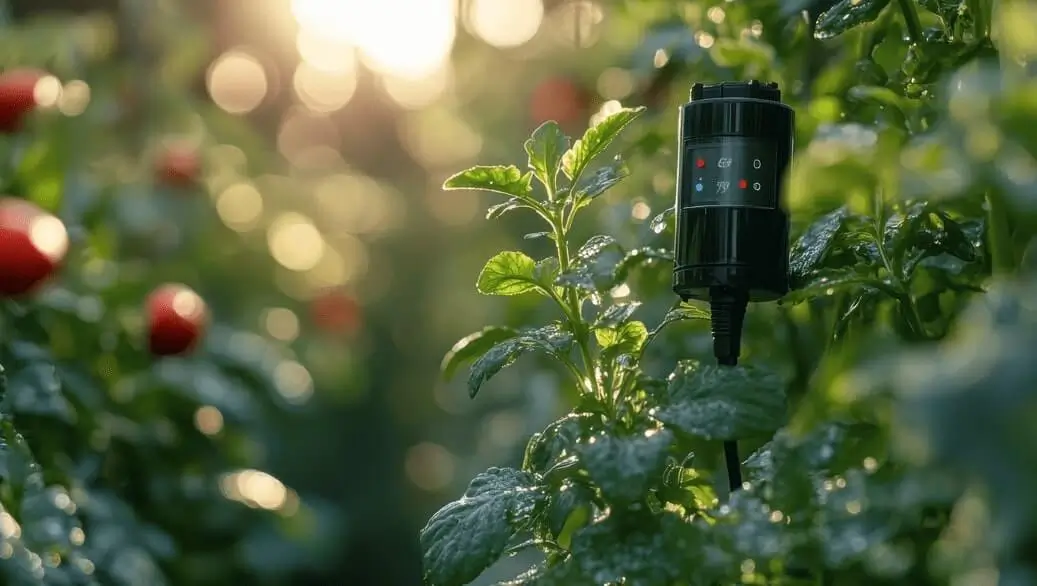
Automatic watering timers are one of the easiest ways to keep container fruit trees healthy and consistently hydrated, especially for beginners with busy schedules. These devices help regulate watering times, reduce the risk of underwatering or overwatering, and make container gardening much more manageable in balconies, patios, and small spaces. In this complete beginner’s guide, you’ll learn how automatic watering timers work, the different types available, how to set them correctly, and tips for using them efficiently to support strong growth and better fruit production.
Why Automatic Watering Timers Matter for Container Fruit Gardening
Container-grown fruit trees have very different watering needs compared to trees planted in the ground. Understanding this difference explains why automatic watering timers are so valuable.
Containers dry out fast
Pots hold a limited amount of soil. In warm or windy conditions, moisture can disappear within hours—especially on balconies, rooftops, or patios. Missing even one or two waterings can cause:
- Drooping leaves and flower drop
- Reduced fruit size and quality
- Long-term stress that weakens the tree
This is a common issue discussed in our guide on drought stress in potted fruit trees, where inconsistent watering is the top cause of plant decline.
Consistency beats “watering by feel”
Beginners often water too much one day and forget the next. Automatic watering timers create steady, predictable moisture, which helps roots grow evenly and absorb nutrients more efficiently.
If you’re still learning the basics, it helps to understand how often to water fruit trees in containers before setting up automation.
Perfect for small-space and busy gardeners
Whether you’re growing citrus on a balcony or apples on a terrace, automatic watering timers:
- Save time and daily effort
- Prevent human error
- Keep plants alive during travel or heat waves
For anyone serious about container fruit gardening, they’re not a luxury—they’re a practical tool.
What Is an Automatic Watering Timer?
An automatic watering timer is a device that connects to a water source (usually a faucet) and controls when and how long water flows to your plants.
Basic components
Most systems include:
- Timer unit – controls schedule and duration
- Water source connection – typically a hose bib or tap
- Irrigation lines – drip tubing or micro-hoses
- Emitters or drippers – deliver water slowly to each pot
Types of watering timers
For beginners, these are the most common options:
- Mechanical timers – simple dial, no batteries, limited settings
- Digital timers – programmable, battery-powered, very precise
- Smart timers – app-controlled, weather-aware (optional upgrade)
For container fruit trees, digital timers offer the best balance of control, reliability, and ease of use.
Step-by-Step: How to Use Automatic Watering Timers for Potted Fruit Trees
Step 1: Choose the right watering method
For container fruit trees, drip irrigation is ideal.
Why drip works best:
- Delivers water slowly, reducing runoff
- Keeps foliage dry (fewer diseases)
- Targets roots directly
Avoid overhead sprinklers—they waste water and encourage fungal issues.
Step 2: Select a suitable automatic watering timer
Look for these beginner-friendly features:
- Multiple daily start times
- Adjustable run duration (minutes, not hours)
- Manual override button
- Clear display and simple controls
One timer can easily manage 5–15 container fruit trees using drip lines.
Step 3: Connect the system
- Attach the timer to your faucet
- Connect a garden hose or main drip line
- Run micro-tubing to each container
- Place one or two drippers per pot (depending on size)
Ensure every container has proper drainage—poor drainage combined with automation can cause serious problems, as explained in how to avoid root rot in potted fruit trees.
Step 4: Program your watering schedule
Start simple:
- Spring: Once per day, early morning
- Summer: 1–2 times per day, short cycles
- Autumn: Reduce frequency
- Winter (outdoor trees): Minimal or none, climate-dependent
If you’re growing indoors or in protected spaces, follow our detailed advice on watering indoor fruit trees properly.
Step 5: Test and adjust
Run the system manually and observe:
- Is water soaking evenly into the soil?
- Does excess water drain out the bottom?
- Are leaves staying firm and green?
Fine-tuning during the first week is crucial.
Best Soil and Containers for Automated Watering Success
Automatic watering timers work best when paired with the right growing setup.
Use well-draining soil mixes
Never use garden soil in containers. A good fruit tree mix should include:
- Compost or aged organic matter
- Coconut coir or peat moss
- Perlite or pumice for drainage
This combination retains moisture while preventing waterlogging.
Choose the right container size
Small pots dry out faster and need more frequent watering. As a general rule:
- Dwarf fruit trees: minimum 30–40 liters
- Semi-dwarf: 50 liters or more
Larger containers mean more stable moisture levels and fewer irrigation cycles.
Mulch your containers
Adding mulch dramatically improves automated watering efficiency. Organic mulch:
- Reduces evaporation
- Stabilizes soil temperature
- Prevents crusting
Learn exactly how to do this in our guide on mulching for container fruit gardening.
Common Mistakes Beginners Make with Automatic Watering Timers
Mistake 1: Overwatering “just in case”
More water is not better. Too-frequent watering suffocates roots and encourages rot. Always let the top few centimeters of soil dry slightly between cycles.
Mistake 2: Ignoring seasonal changes
Water needs change with temperature and daylight. A summer schedule can be deadly in autumn if not adjusted.
Mistake 3: Using cheap emitters
Low-quality drippers clog easily, leading to uneven watering. Inspect emitters every few weeks.
Mistake 4: No drainage holes
Automatic watering timers cannot fix poor containers. Without drainage holes, roots will rot no matter how smart your system is.
When Automatic Watering Timers Make the Biggest Difference
Automatic watering timers are especially useful if you:
- Grow fruit trees on balconies or rooftops
- Live in hot or dry climates
- Travel frequently
- Manage many containers at once
They’re also perfect for beginners who want predictable results without daily stress.
FAQ: Automatic Watering Timers for Container Fruit Trees
Do automatic watering timers waste water?
No. When paired with drip irrigation, they actually use less water than hand watering by delivering it slowly and directly to roots.
How long should I water container fruit trees with a timer?
Most trees need 5–20 minutes per cycle, depending on pot size, soil, and weather. Always observe drainage and adjust.
Can I use one timer for different fruit trees?
Yes. Most fruit trees have similar moisture needs in containers. Adjust dripper numbers if one pot dries faster than others.
Are automatic watering timers safe for beginners?
Absolutely. Digital timers are designed for ease of use and are far safer than inconsistent manual watering.
Should I water at night or morning?
Early morning is best. It reduces evaporation while allowing leaves to dry, preventing disease.
Conclusion: A Smarter Way to Water Container Fruit Trees
Automatic watering timers remove the hardest part of container fruit gardening—watering consistency. When set up correctly, they protect your trees from drought stress, prevent overwatering, and free you from daily guesswork.
Start simple: choose a reliable digital timer, pair it with drip irrigation, use well-draining soil, and adjust seasonally. Monitor your trees during the first weeks, make small tweaks, and you’ll quickly see healthier growth and better harvests.
If you’re serious about growing fruit in small spaces, an automatic watering timer isn’t just convenient—it’s one of the smartest investments you can make.