
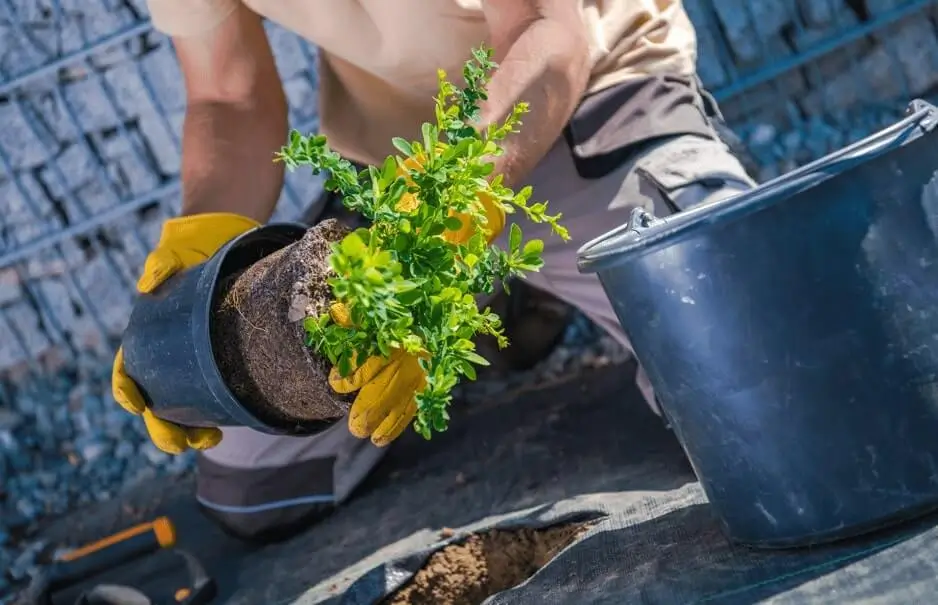
Mulching is one of the simplest ways to keep container fruit trees healthy, productive, and easier to maintain. Whether you grow citrus, figs, berries, or dwarf fruit trees in pots, adding mulch helps conserve moisture, regulate soil temperature, reduce weeds, and improve soil quality over time. Many beginner gardeners overlook mulching, but it can make a huge difference in the success of container gardening.
In this beginner-friendly guide, you’ll learn what mulch is, why it matters for potted fruit trees, the best mulch types to use, how to apply mulch correctly, and common mistakes to avoid.
Why Mulching Fruit Trees in Containers Matters
Mulching is not just decorative. In container fruit gardening, it plays a critical functional role, directly impacting root health, growth, and fruit production.
1. Moisture Retention in Fast-Drying Pots
Containers lose moisture much faster than garden soil, especially on balconies, patios, or rooftops. Mulch acts like a protective blanket, reducing evaporation and keeping soil evenly moist. This means:
- Less frequent watering
- Fewer drought stress issues
- More stable root conditions
If you’ve struggled with constantly dry pots, mulching can dramatically improve results.
2. Root Temperature Protection
Potted fruit trees are exposed to temperature extremes. In summer, black or clay pots can overheat, damaging roots. In winter, roots are more vulnerable to cold because they’re not insulated by the ground. Mulch helps by:
- Cooling the soil in hot weather
- Insulating roots during cold nights
- Preventing sudden temperature swings
This is especially important for citrus, figs, and berries grown in containers.
3. Improved Soil Health Over Time
Organic mulch slowly breaks down, feeding beneficial soil microbes and improving structure. Combined with good potting mixes—like those discussed in guides on refreshing old potting soil—mulch supports long-term container soil health.
4. Reduced Weed Growth
Even containers can grow weeds. Mulch blocks light, preventing weed seeds from germinating and competing with your fruit tree for water and nutrients.
Step-by-Step: How to Mulch Fruit Trees in Containers Correctly
Follow these steps to mulch properly without harming your tree.
Step 1: Choose the Right Mulch for Containers
Not all mulch works well in pots. The best options are lightweight, breathable, and slow to compact:
- Pine bark fines or small bark chips
- Straw or shredded leaves (dry)
- Coconut coir or husk chips
- Compost mixed with bark.
Avoid heavy garden mulch designed for in-ground beds—it can compact and suffocate container roots.
Step 2: Prepare the Soil Surface
Before mulching:
- Remove weeds or debris.
- Lightly loosen the top 1–2 cm of soil.
- Water the container thoroughly.
Mulch should always be applied to moist soil, not dry soil.
Step 3: Apply the Correct Mulch Depth
For container fruit trees, the ideal mulch depth is:
- 2–5 cm (1–2 inches)
Too little won’t be effective. Too much can trap excess moisture, leading to root problems.
Step 4: Keep Mulch Away from the Trunk
Always leave a small gap (2–3 cm) around the trunk:
- Prevents rot and fungal disease
- Improves airflow at the base
- Discourages pests
Think “donut,” not “volcano.”
Step 5: Monitor and Refresh
Organic mulch breaks down over time. Check every 2–3 months:
- Top up when mulch thins.
- Replace if it smells sour or stays soggy.
When reusing potting mix, combine mulching with proper soil renewal techniques, as explained in guides on safely reusing potting soil.
Best Mulch Types for Container Fruit Trees
Pine Bark Mulch
Best for: Citrus, figs, apples, peaches
- Excellent drainage
- Slow decomposition
- Improves soil structure
Pairs well with airy mixes containing perlite or vermiculite for containers.
Straw or Shredded Leaves
Best for: Berries, young trees
- Lightweight and breathable
- Cheap and eco-friendly
- Breaks down faster (needs replacement)
Make sure the straw is dry and seed-free.
Coconut Coir or Husk Chips
Best for: Tropical and subtropical fruit trees
- Retains moisture without waterlogging
- Neutral pH
- Sustainable alternative
This works especially well alongside potting mixes using coconut coir for fruit trees.
Compost (Used Carefully)
Best for: Nutrient-hungry trees
- Adds nutrients
- Improves microbial life
Use thin layers only and avoid piling against the trunk.
Common Mulching Mistakes Beginners Make
1. Mulching Too Deep
More is not better. Thick mulch layers can:
- Trap moisture
- Reduce oxygen
- Encourage root rot
Stick to the recommended depth.
2. Using Heavy Garden Soil as Mulch
Garden soil in pots compacts quickly, blocking airflow. Always use proper mulch materials, not soil.
3. Letting Mulch Touch the Trunk
This common mistake causes:
- Stem rot
- Fungal infections
- Pest problems
Always leave a visible gap.
4. Ignoring Drainage
Mulch should support drainage, not block it. If water pools on the surface, reduce the mulch thickness or switch to a different material.
5. Never Replacing Old Mulch
Decomposed mulch can become slimy and acidic. Refresh regularly, especially when you refresh old potting soil between seasons.
Mulching Tips Based on Fruit Tree Type
Citrus Trees in Pots
- Use pine bark or coir.
- Avoid water-retentive compost layers.
- Combine with well-draining citrus soil mixes.
Fig Trees in Containers
- Mulch lightly to prevent soggy soil
- Bark-based mulch works best.
Berry Plants in Containers
- Straw mulch is ideal.
- Helps keep fruit clean
- Regulates moisture during fruiting
Dwarf Apple & Stone Fruit Trees
- Use bark or leaf mulch.
- Refresh before the flowering season.
FAQ: Mulching Fruit Trees in Containers
How often should I mulch container fruit trees?
Check mulch every 2–3 months. Refresh when it breaks down or thins significantly.
Can I mulch indoor potted fruit trees?
Yes, but use thin layers and breathable materials to prevent fungus and gnats.
Is mulch necessary if I water daily?
Yes. Mulch stabilizes moisture, protects roots, and improves soil health beyond watering alone.
Can I reuse old mulch?
Only if it’s dry, odour-free, and not decomposed. Otherwise, compost it.
Should I remove mulch in winter?
In cold climates, keep mulch to insulate roots. Reduce thickness slightly if drainage slows.
Conclusion: Smarter Mulching for Healthier Container Fruit Trees
Mulching fruit trees in containers is one of the simplest upgrades you can make—and one of the most impactful. Done correctly, it conserves moisture, protects roots, improves soil health, and reduces stress on your plants year-round. The key is choosing the right mulch, applying it at the proper depth, and maintaining it regularly.
Your next steps:
- Choose a lightweight, organic mulch.
- Apply a 2–5 cm layer to moist soil.
- Keep mulch away from the trunk.
- Refresh it every few months.
Combine proper mulching with good soil, drainage, and feeding practices, and your container fruit trees will reward you with stronger growth and better harvests—even in the smallest spaces. 🌱🍎