
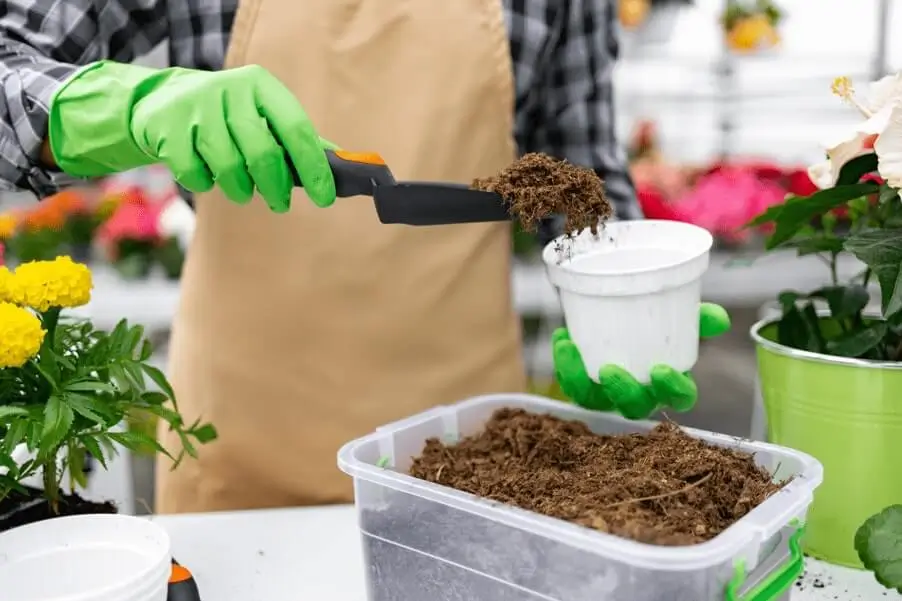
Healthy soil is the foundation of successful container fruit gardening. Over time, potting soil can develop harmful fungi, bacteria, pests, or weed seeds that weaken plant growth and reduce fruit production. Learning how to sterilize potting soil helps protect your container fruit trees, improves root health, and creates a cleaner growing environment for stronger harvests. In this beginner-friendly guide, you’ll discover simple and safe soil sterilization methods, when sterilizing is necessary, and how to keep your potted fruit plants thriving year-round.
Why Sterilizing Potting Soil Matters for Container Fruit Gardening
Container fruit trees live in a closed environment. Unlike garden beds, pots don’t benefit from natural soil ecosystems that rebalance pests and diseases. That makes soil quality even more critical.
Here’s why sterilizing potting soil can make a real difference:
- Prevents soil-borne diseases like damping-off, root rot fungi, and harmful bacteria
- Eliminates insect eggs and larvae that damage roots underground
- Stops weed seeds from competing for nutrients and water
- Protects young or stressed trees, especially after repotting
This is especially important if you:
- Reuse old potting soil.
- Mix homemade soil blends.
- Grow fruit trees indoors or on balconies.
- Have previously dealt with root problems or nutrient burn
If you’ve already noticed slow growth or unhealthy roots, it’s worth pairing soil sterilization with guides like “How to Fix Poor Root Growth in Container Fruit Trees” or “Signs Your Potting Soil Needs Changing,” both of which go deeper into diagnosing soil-related issues.
When Should You Sterilize Potting Soil?
Soil sterilization isn’t always necessary. High-quality commercial potting mixes are usually pre-treated. However, you should sterilize soil in these situations:
- Reusing soil from old pots
- Using garden soil in containers
- Making DIY or organic soil recipes
- Recovering from pests, fungus, or disease
- Starting seedlings or young fruit trees
For mature, healthy trees, routine sterilization isn’t required every season. Instead, focus on improving the structure and nutrients, as explained in the article on how to improve poor potting soil for fruit trees.
Step-by-Step: Best Ways to Sterilize Potting Soil at Home
Below are the safest and most effective methods for home gardeners. Choose the one that fits your space and the quantity of soil.
1. Oven Method (Most Reliable)
Best for: Small to medium soil batches
Steps:
- Preheat oven to 180–200°F (82–93°C)
- Moisten soil slightly (not dripping wet)
- Spread soil 3–4 inches deep in a baking tray.
- Cover with aluminum foil.
- Bake for 30 minutes
- Let cool completely before use.
Pros: Kills nearly all pests, fungi, and weed seeds
Cons: Smell can be unpleasant indoors
Cons: Smell can be unpleasant indoors
💡 Tip: Never exceed 200°F—higher heat can damage soil structure and release toxins.
2. Boiling Water Method (Fast & Simple)
Best for: Emergency soil treatment
Steps:
- Place soil in a heat-safe container
- Slowly pour boiling water over the soil until saturated.
- Cover and let cool fully.
- Drain excess moisture
Pros: Quick and chemical-free
Cons: Less precise, may not reach all soil layers
Cons: Less precise, may not reach all soil layers
3. Microwave Method (Small Batches Only)
Best for: Seed-starting mixes
Steps:
- Put damp soil in a microwave-safe container.
- Cover loosely (vent required)
- Heat on high for 90 seconds per 2 pounds
- Cool completely
Pros: Fast and effective
Cons: Limited quantity, strong odour
Cons: Limited quantity, strong odour
4. Solarization (Natural & Free)
Best for: Large quantities in warm climates
Steps:
- Moisten soil evenly
- Seal in clear plastic bags.
- Place in full sun for 4–6 weeks
- Soil should reach high internal temperatures.
Pros: Eco-friendly, no equipment needed
Cons: Takes time, weather-dependent
Cons: Takes time, weather-dependent
Gardeners in warm regions often combine solarization with seasonal soil maintenance, as recommended in seasonal soil care for container fruit trees.
What to Do After Sterilizing Potting Soil
Sterilization kills bad organisms—but also good ones. Before planting fruit trees, you should carefully rebuild soil life.
Rebuild Soil Health
- Add finished compost or worm castings.
- Mix in organic matter for structure.
- Reintroduce beneficial microbes if available.
If you prefer mixing your own blends, follow balanced approaches like those outlined in organic soil recipes for container fruit gardening.
Common Mistakes Beginners Make
Even with good intentions, many gardeners end up harming their soil.
❌ Overheating the Soil
Excessive heat destroys soil structure and nutrients.
❌ Sterilizing Brand-New Potting Mix
Quality store-bought mixes don’t need it and can lose effectiveness.
❌ Planting Immediately After Sterilization
Hot or wet soil stresses roots—always cool and rebalance first.
❌ Forgetting Drainage
Sterilized soil still needs proper aeration and drainage, as explained in the section on balancing drainage and moisture in pots.
Tools, Soil & Container Tips for Best Results
- Use breathable containers with drainage holes.
- Avoid compacting soil after sterilization.
- Match soil depth to tree size for healthy root spread.
- Label treated soil if preparing in batches
Sterilization works best when combined with correct container sizing and soil depth, especially for dwarf fruit trees.
FAQ: How to Sterilize Potting Soil
Can I sterilize soil for fruit trees without an oven?
Yes. Boiling water, solarization, or microwaving small batches are effective alternatives.
Is sterilized soil safe for organic gardening?
Yes. Heat-based methods are chemical-free and compatible with organic growing.
How often should I sterilize potting soil?
Only when reusing soil or dealing with pests or disease. Routine sterilization isn’t necessary.
Does sterilizing soil remove nutrients?
It can reduce beneficial microbes, but nutrients remain. Rebuild soil life before planting.
Can I sterilize soil already in pots?
It’s not recommended. Remove soil first to ensure even heating and safety.
Conclusion: Clean Soil, Stronger Fruit Trees
Knowing how to sterilize potting soil gives you a powerful advantage in container fruit gardening. Whether you’re reusing old soil, starting fresh seedlings, or recovering from pests, sterilization helps eliminate hidden threats and creates a clean foundation for healthy roots. Pair this step with proper soil rebuilding, good drainage, and smart container choices, and your fruit trees will reward you with stronger growth and better harvests. Start with clean soil, rebuild it wisely, and your containers will work with you—not against you.