
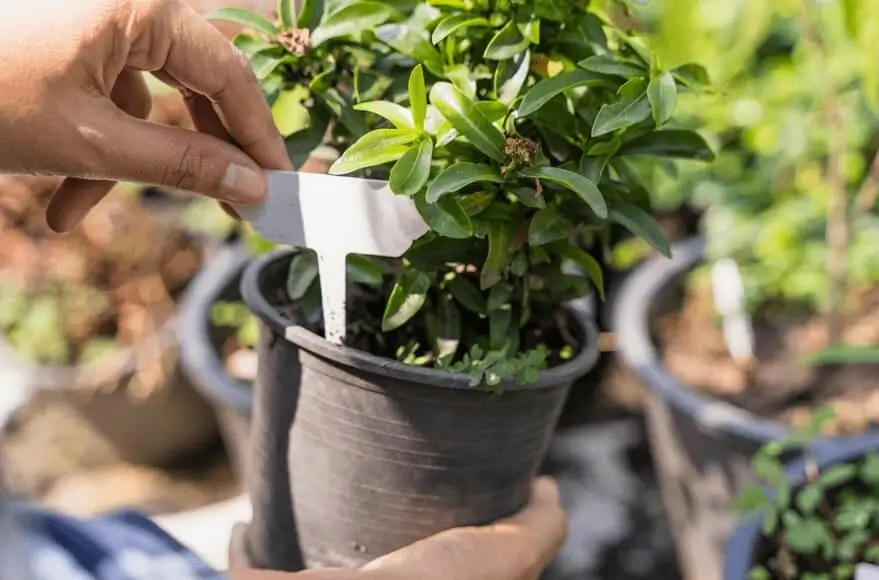
Self-watering containers are becoming one of the most popular solutions for growing fruit trees in pots because they simplify watering and help plants stay healthy. These containers use a built-in reservoir system that provides consistent moisture to the roots, reducing the risk of underwatering or overwatering. For gardeners with busy schedules, limited space, or hot climates, self-watering planters can make container fruit gardening much easier and more productive. Whether you grow citrus, figs, dwarf apples, or berries, choosing the right self-watering container can improve tree growth, fruit quality, and overall gardening success.
Why Self-Watering Containers Matter for Container Fruit Gardening
Container fruit trees depend entirely on you for water. Unlike in-ground trees, they cannot search deeper soil layers when moisture levels are low. This makes watering consistency critical.
The Real Problems They Solve
Self-watering containers address several common issues faced by home gardeners:
- Rapid soil drying, especially on balconies, patios, and rooftops
- Uneven moisture, which stresses roots and reduces fruit quality
- Overwatering mistakes, leading to root rot and fungal diseases
- Daily watering fatigue, particularly in summer or hot climates
If you’ve ever struggled to maintain a reliable watering routine, learning how to manage moisture properly—like in this guide on watering fruit trees in containers—you already understand why a more automated approach can help.
Benefits Specific to Fruit Trees
Self-watering systems are especially useful for fruit trees because they:
- Encourage deep, healthier root systems.
- Reduce blossom drop caused by drought stress.
- Support steady fruit development.
- Improve nutrient uptake from the potting mix.
How Self-Watering Containers for Fruit Trees Work
A self-watering container is not magic—it’s smart design. Understanding how it functions helps you use it correctly.
The Basic Components
Most self-watering containers include:
- Water reservoir at the bottom
- Wicking system (soil columns, fabric, or capillary action)
- Overflow hole to prevent flooding
- Growing chamber above the reservoir
Water moves upward as roots need it, maintaining balanced moisture without soaking the soil.
Why This Matters for Root Health
Fruit tree roots need both water and oxygen. Constantly wet soil suffocates roots, while dry soil stresses them. Self-watering containers maintain a moist yet aerated environment—ideal for long-term container growing.
Step-by-Step: Choosing the Right Self-Watering Container
Not all self-watering containers are suitable for fruit trees. Size, depth, and durability matter more than for herbs or vegetables.
Step 1: Choose the Right Size
Fruit trees need space for roots and stability.
- Minimum size: 15–20 gallons (60–75 litres)
- Ideal size for long-term growth: 25–30 gallons
- Deeper containers are better than wide, shallow ones.
If you’re unsure how container size affects tree lifespan, it’s worth reviewing this detailed guide on how long fruit trees can live in pots.
Step 2: Select Durable Materials
Good options include:
- Thick plastic (lightweight, affordable)
- Resin or fibreglass (excellent insulation)
- Wood-lined self-watering planters (with proper sealing)
Avoid thin plastic that overheats or cracks.
Step 3: Ensure Proper Drainage and Overflow
A quality self-watering container always includes an overflow outlet. Without it, excess water can drown roots—especially during rainy periods.
DIY Self-Watering Containers for Fruit Trees
You don’t have to buy expensive systems. Many gardeners successfully build their own.
Simple DIY Method (Bucket System)
What you need:
- Large container (20+ gallons)
- Smaller bucket or plastic bin (for reservoir)
- PVC pipe or bottle (for filling)
- Potting mix suitable for fruit trees
How it works:
- Place the smaller container upside down at the bottom.
- Cut overflow holes slightly above the reservoir level.
- Add a vertical fill tube.
- Pack soil tightly around wicking areas.
DIY containers are ideal if you’re growing on a budget or experimenting before investing.
Best Soil and Fertilizer Practices for Self-Watering Containers
Use the Right Potting Mix
Never use garden soil. Instead, choose:
- High-quality container mix
- Added compost (10–20%)
- Perlite or pumice for aeration
Heavy soil blocks wick and defeat the purpose of self-watering systems.
Fertilizing Without Overfeeding
Because water is always available, nutrients can be depleted more quickly.
Best practices:
- Use slow-release organic fertilizer.
- Supplement with liquid feeding during active growth.
- Monitor leaf colour and growth rate.
You’ll find more detailed nutrient advice in this complete guide on feeding potted fruit trees correctly.
Common Mistakes Beginners Make (And How to Avoid Them)
1. Using Containers That Are Too Small
Small self-watering pots are fine for herbs—not fruit trees. Roots quickly outgrow them.
2. Overfilling the Reservoir Constantly
Roots still need air. Allow the reservoir to partially empty between refills.
3. Ignoring Seasonal Changes
In winter, trees use far less water. Adjust refill frequency accordingly, especially during dormancy or cool weather.
4. Assuming “Self-Watering” Means “No Monitoring.”
You still need to:
- Check soil moisture periodically.
- Inspect roots and drainage.
- Adjust feeding schedules
If you’re growing year-round, combine self-watering systems with proper seasonal care, like outlined in this guide on container fruit gardening year-round.
Are Self-Watering Containers Right for Every Fruit Tree?
Best Candidates
Self-watering containers work especially well for:
- Citrus trees
- Figs
- Dwarf apples and pears
- Stone fruits on dwarf rootstock
Trees That Need Extra Caution
- Very drought-tolerant species
- Trees in cold climates with heavy winter rain
In colder regions, proper winter management is essential to avoid waterlogged roots—see this practical guide on container fruit gardening in cold regions for safe strategies.
FAQ: Self-Watering Containers for Fruit Trees
Are self-watering containers safe for fruit trees in the long term?
Yes, when properly sized and managed, they support healthy root systems for many years.
How often do I need to refill the reservoir?
In summer, every 2–5 days. In cooler seasons, weekly or less, depending on the weather.
Can self-watering containers cause root rot?
Only if drainage is blocked or the soil is too dense. Good airflow and overflow holes prevent this.
Do self-watering containers work indoors?
They can, but indoor fruit trees still require adequate light, airflow, and careful monitoring.
Should I still water from the top?
Occasional top watering helps flush salts and evenly moisten the soil.
Conclusion: A Smarter Way to Water Container Fruit Trees
Self-watering containers for fruit trees are not a shortcut—they’re a smarter system. By delivering consistent moisture, reducing stress, and saving time, they help beginners and experienced gardeners alike grow healthier, more productive trees in pots.
Next steps:
Choose a container large enough for long-term growth, use the right soil mix, monitor seasonal water needs, and pair your system with proper feeding and care. With the right setup, self-watering containers can turn container fruit gardening from a daily chore into a reliable, enjoyable success.
Choose a container large enough for long-term growth, use the right soil mix, monitor seasonal water needs, and pair your system with proper feeding and care. With the right setup, self-watering containers can turn container fruit gardening from a daily chore into a reliable, enjoyable success.